
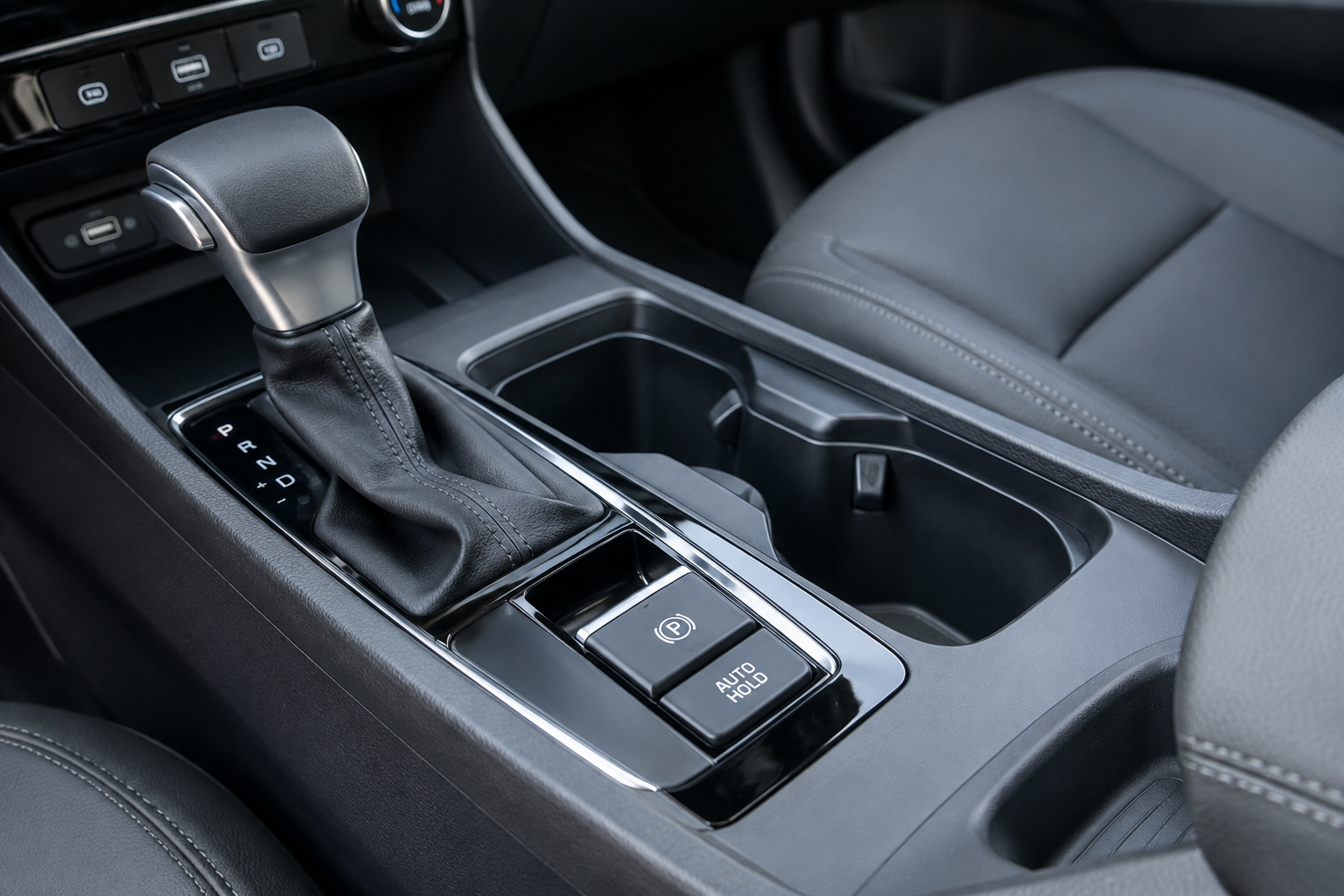
You put the Tucson in park, hit the button to release the electronic parking brake, and nothing happens. Maybe the warning light stays lit, maybe you hear a clicking sound but the brake stays clamped down, or maybe the whole dash lights up with warnings you’ve never seen before. It’s an unsettling moment, especially if you’re blocked in a driveway or parking lot with somewhere to be.
The good part is that most EPB release failures on the Tucson come down to a short list of causes, and several of them are things you can check yourself in a few minutes without any tools. This guide walks through the safe checks in order, explains what’s likely happening at each stage, and tells you when it’s time to stop troubleshooting and call for help.
Start With the Basics Before You Assume the Worst
Before you start thinking about actuators or calipers, rule out the simple stuff. Electronic parking brakes on the Tucson are designed with several safety interlocks, and if any one of them isn’t satisfied, the system will refuse to release even if everything mechanical is working fine.
Make sure your foot is fully on the brake pedal when you press the EPB switch. Most Hyundai EPB systems require brake pedal input to release, and a light tap won’t always register. Push the pedal down firmly, then press and hold the parking brake switch until you feel or hear it disengage.
Check that the ignition is actually in the “on” or “run” position, not just accessory mode. Some Tucson model years won’t let the EPB release unless the engine is running or the ignition is fully cycled to on. If you’re trying to release the brake with the car in accessory mode, that alone can explain the failure.
Also confirm your seat belt is buckled and the driver’s door is closed. On some trims, the EPB logic ties into these inputs as part of its safety check, similar to how other driver assistance systems on the Tucson rely on multiple sensor inputs before they’ll activate or deactivate.
Check Battery Voltage First
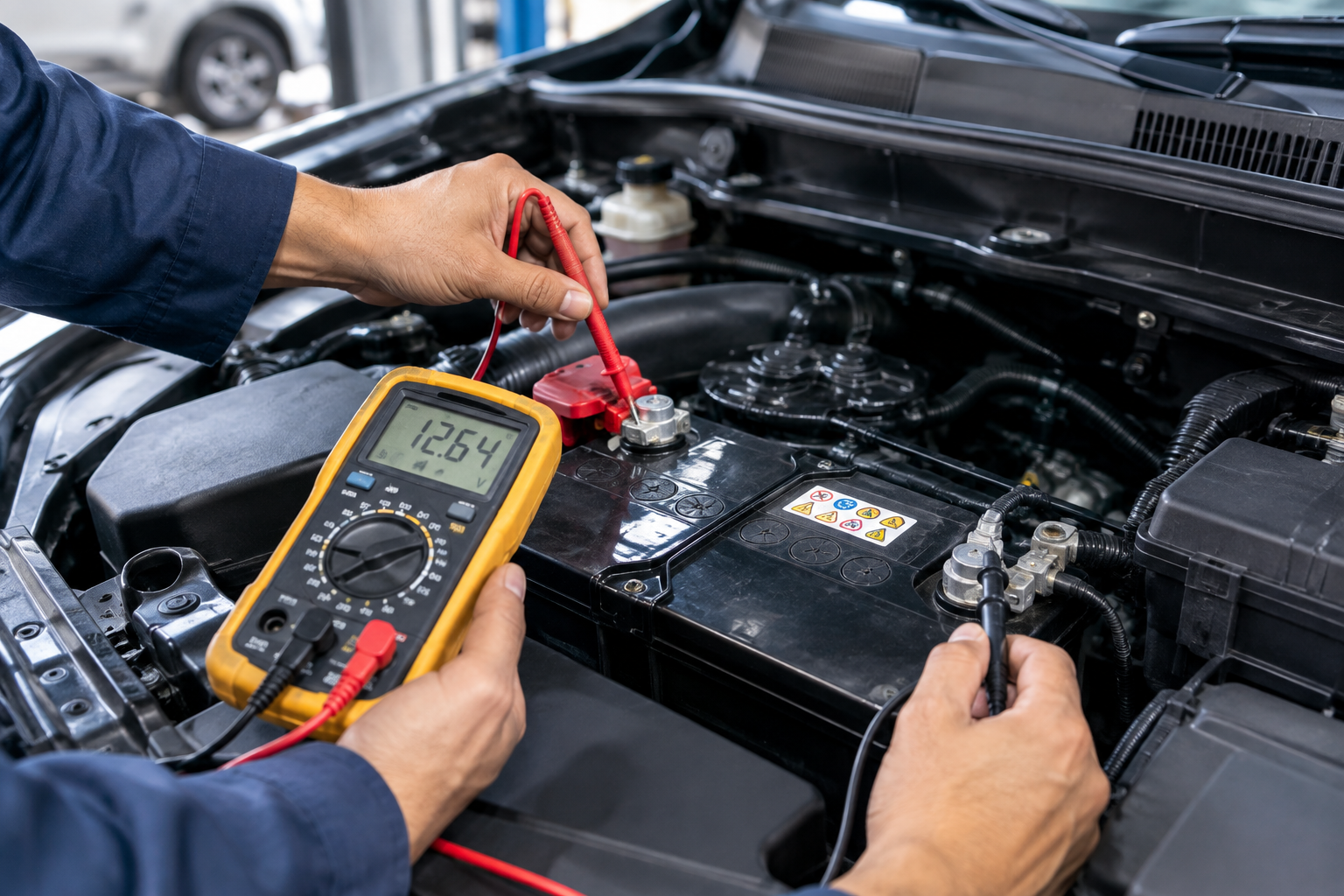
Low voltage is the single most common reason an electronic parking brake won’t release, and it’s the first thing any competent tech checks. The EPB actuator needs a solid electrical supply to drive the motor that retracts the caliper. If your battery is weak, corroded at the terminals, or on its way out, the module may sense insufficient voltage and refuse to command a release rather than risk leaving you with a brake stuck half-engaged.
Look for other signs of a weak battery: slow cranking, dimming interior lights, or other warning messages appearing alongside the parking brake alert. If you have a multimeter, a healthy resting voltage should read around 12.4 to 12.6 volts with the engine off, and above 13.5 volts running.
If you don’t have a way to test voltage yourself, a basic Hyundai Tucson OBD2 scanner can often pull stored voltage-related fault codes even without a standalone voltmeter. Many scanners also read live data including battery voltage, which takes the guesswork out of this step.
NOCO Boost Plus Jump Starter
A compact jump starter is worth keeping in the Tucson in case low voltage is what’s stopping the EPB from releasing.
If a jump start gets the brake to release normally, that’s a strong sign your battery or charging system needs attention soon, even if the immediate problem is solved. Don’t ignore it just because the brake worked once you got a boost.
Inspect the Switch and Warning Lights
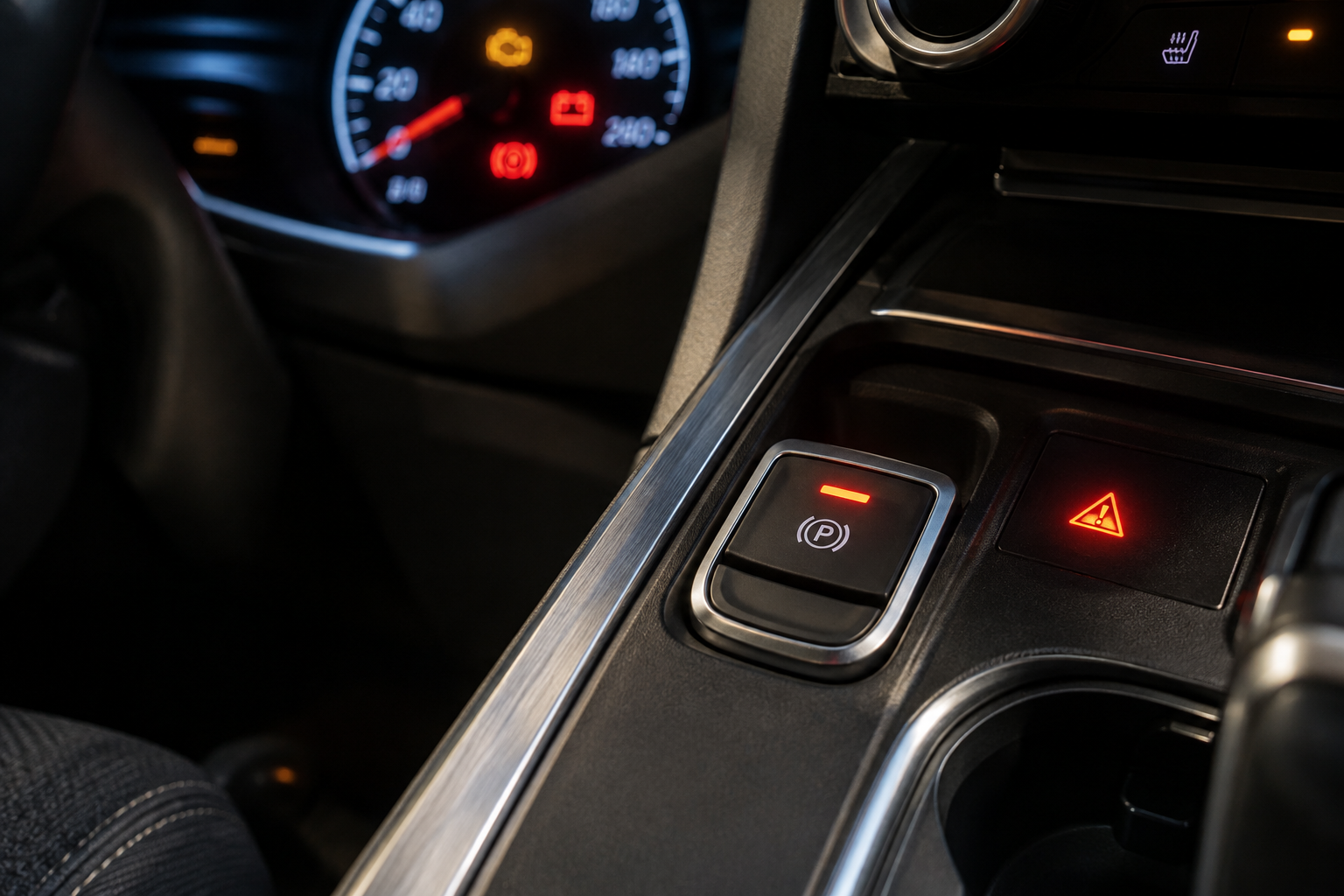
The EPB switch itself can fail, especially after years of use. A sticky, worn, or partially broken switch might not send a complete signal to the module, so the system thinks you never actually pressed release, or it reads a stuck “apply” signal that overrides your input.
Wiggle the switch gently and try pressing it several times in a firm, deliberate motion rather than a quick tap. If you notice the switch feels loose, doesn’t spring back fully, or sometimes works and sometimes doesn’t, that’s a mechanical switch fault rather than a battery or actuator problem.
Pay attention to what the dash is telling you. A steady parking brake light usually just means the brake is applied. A flashing light or an EPB warning combined with other messages, like ABS or stability control alerts, points toward a fault the module has already flagged. In that case, pulling codes with a scanner will save you time compared to guessing.
Actuator and Caliper Faults
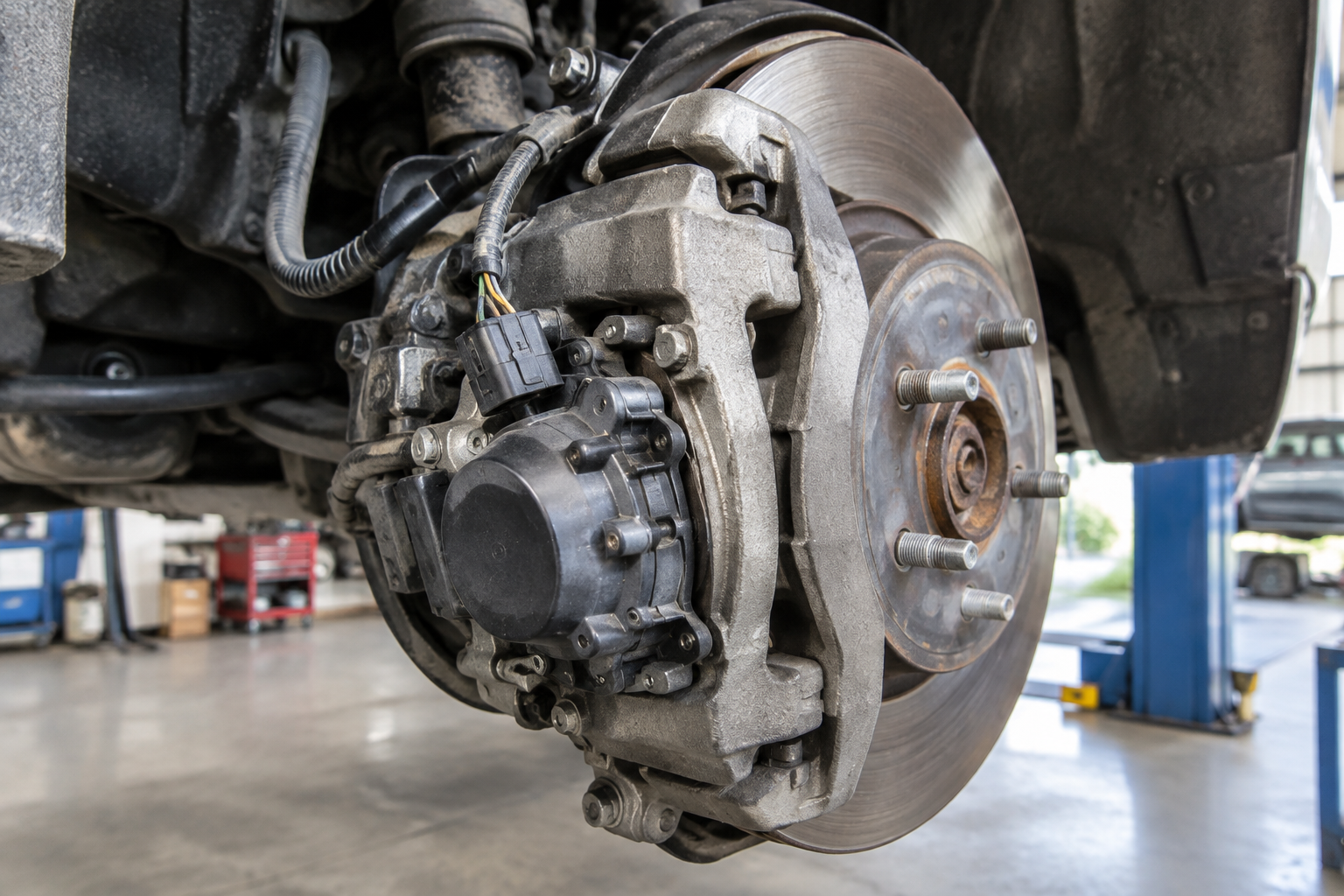
If voltage is fine and the switch checks out, the next suspect is the actuator itself, the small motor mounted on or near the rear caliper that physically pulls the brake shoe or pad into place. These actuators can seize from corrosion, especially in areas with road salt or high humidity, or they can fail electrically after years of cycling.
A caliper that’s rusted or sticking can also prevent full release even when the actuator motor is working correctly. You might hear the motor whirring or clicking but see no movement at the wheel, which usually means the mechanical side is bound up rather than the electrical side failing.
This is also where a scanner earns its keep. Reading actuator-specific fault codes tells you whether the module thinks the motor drew too much current, took too long to complete its stroke, or never moved at all, each of which narrows down whether you’re looking at a seized caliper, a failing motor, or a wiring problem between the module and actuator.
Autel MaxiCOM MK808
A mid-range scanner with bidirectional control can actually command the EPB actuator to cycle, which is useful for isolating a stuck caliper from a dead motor.
Rear brake issues in general are worth taking seriously beyond just the parking brake function. If you’ve also noticed unusual noises from the back of the car, it’s worth reading through this guide on diagnosing a loud humming noise from the rear of your car, since worn rear brake components and wheel bearing issues can sometimes overlap in symptoms.
Service Mode and the Owner’s Manual Release Procedure
Every Tucson with an EPB has a documented manual or service release procedure in the owner’s manual, and it’s worth reading through it before you assume the vehicle needs a tow. Depending on the model year, this might involve a specific ignition cycle sequence, holding the EPB switch for an extended period, or in some cases accessing a mechanical release point near the actuator itself.
These procedures vary noticeably between Tucson generations, so don’t rely on generic advice you find online for a different model year. The 2016 to 2021 Tucson uses a different EPB module and release sequence than the current generation, and using the wrong procedure can trigger a service mode fault that complicates things further.
If the vehicle has entered a service mode, sometimes triggered accidentally during brake pad replacement or diagnostic work, the EPB may lock out normal release until the mode is properly exited through a scan tool. This is common enough after brake jobs that many shops specifically warn technicians to check for it before handing the car back to the customer.
Never attempt to physically force the vehicle to move while the parking brake is still engaged, even partially. This can damage the actuator, warp the caliper, or in worse cases cause the vehicle to move unpredictably. If the manual release procedure doesn’t work and the brake stays engaged, the safest move is to have the car towed or serviced on-site rather than trying to drive it.
When to Call a Professional
If you’ve confirmed good battery voltage, ruled out a switch problem, and the owner’s manual release steps still don’t clear the fault, it’s time to bring in a shop with Hyundai-specific diagnostic capability. EPB actuator replacement and calibration typically requires a scan tool that can command the module through its full release and re-apply cycle, which isn’t something most home scanners handle reliably.
Persistent EPB faults sometimes point to a deeper issue with the brake system’s wiring harness or module itself, not just the actuator. If you’re already dealing with unrelated brake symptoms, like a pedal that feels different after the car sits overnight, it’s worth reading this article on a brake pedal that goes to the floor after sitting to see if there’s a separate hydraulic issue layered on top of the EPB fault.
Frequently Asked Questions
Can I drive the Tucson with the EPB stuck on?
No, not safely. Driving with the parking brake even partially engaged can overheat the caliper, damage the actuator motor, and wear down the rear brake pads unevenly. If the brake won’t release after trying the safe checks and manual procedure, have the vehicle towed rather than risk driving it.
Will disconnecting the battery reset the EPB?
Sometimes, but it’s not a guaranteed fix and can occasionally make things worse if the system was already in a fault or service mode. Disconnecting the battery may also reset other modules and clear settings unrelated to the brake, so it’s better used as a diagnostic step under guidance from a scan tool rather than a first resort.
Is this covered under Hyundai’s warranty?
Electronic parking brake actuators and modules are typically covered under Hyundai’s powertrain or basic warranty depending on mileage and age, since they’re considered part of the vehicle’s electrical and brake systems. Check your specific warranty documentation or call a Hyundai dealer with your VIN, since coverage terms have shifted slightly across recent model years.
Related posts:
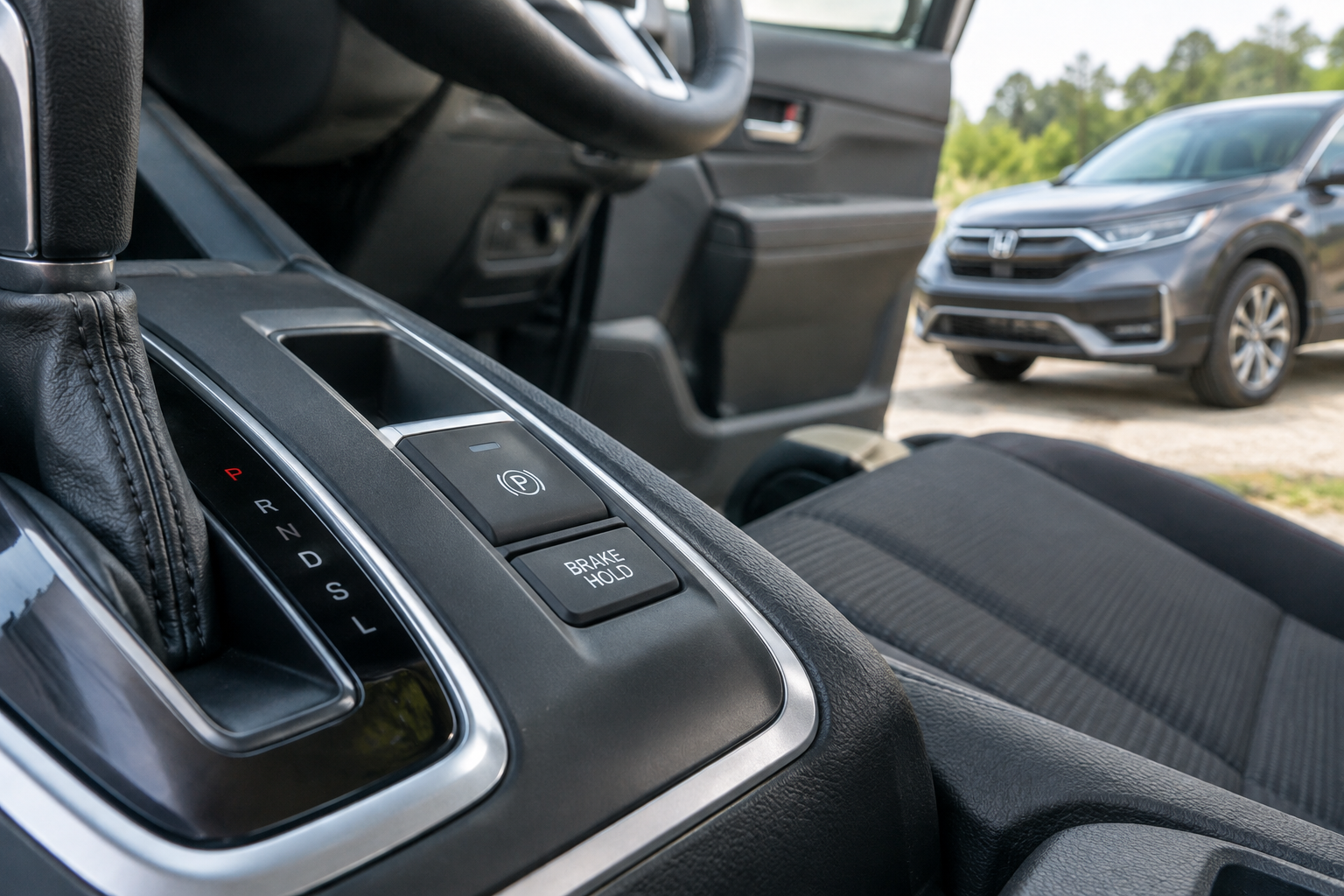 Honda CR-V Electronic Parking Brake Won’t Release: Causes and Safe Checks
 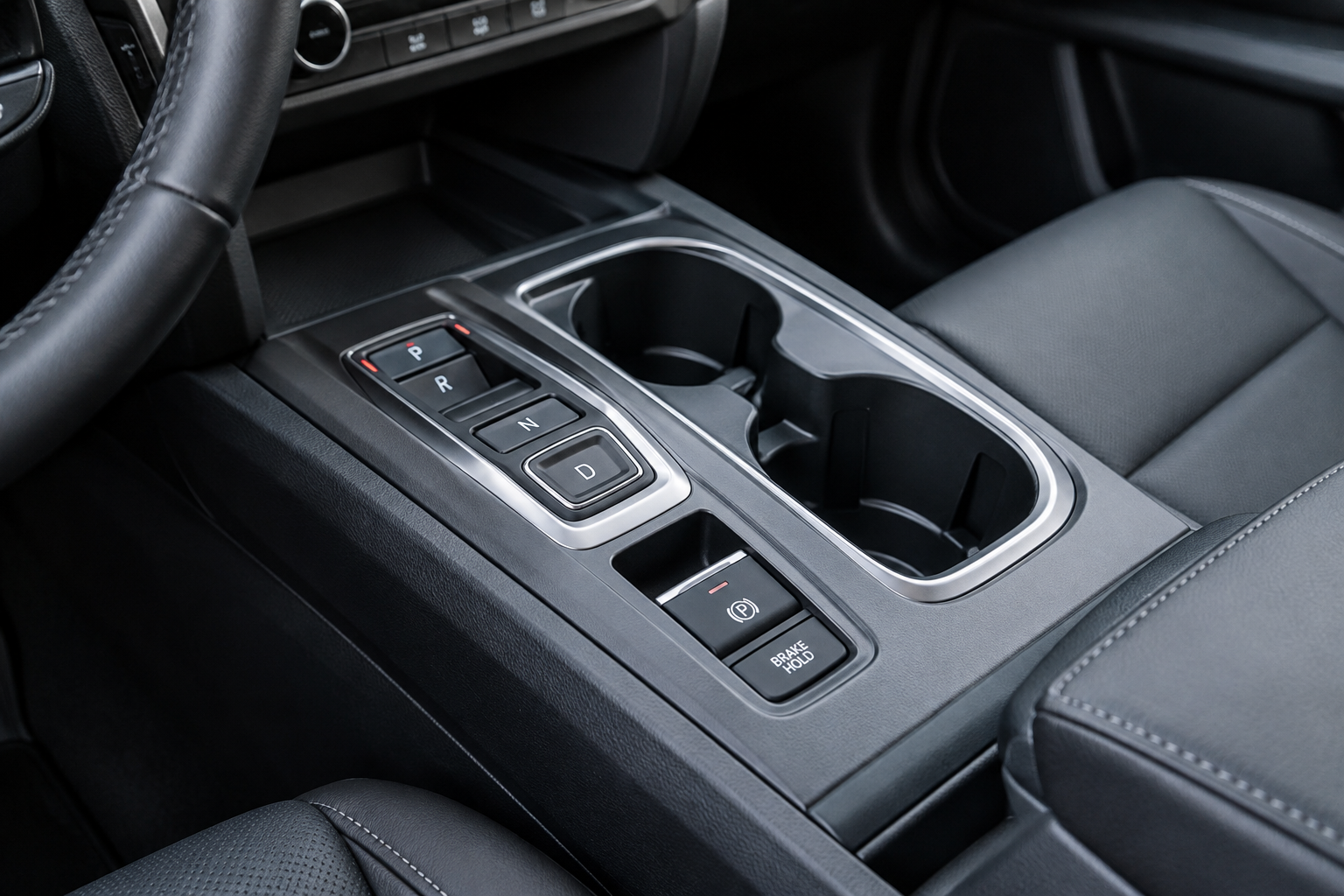 Honda Pilot Electronic Parking Brake Won’t Release: Causes and Safe Checks
 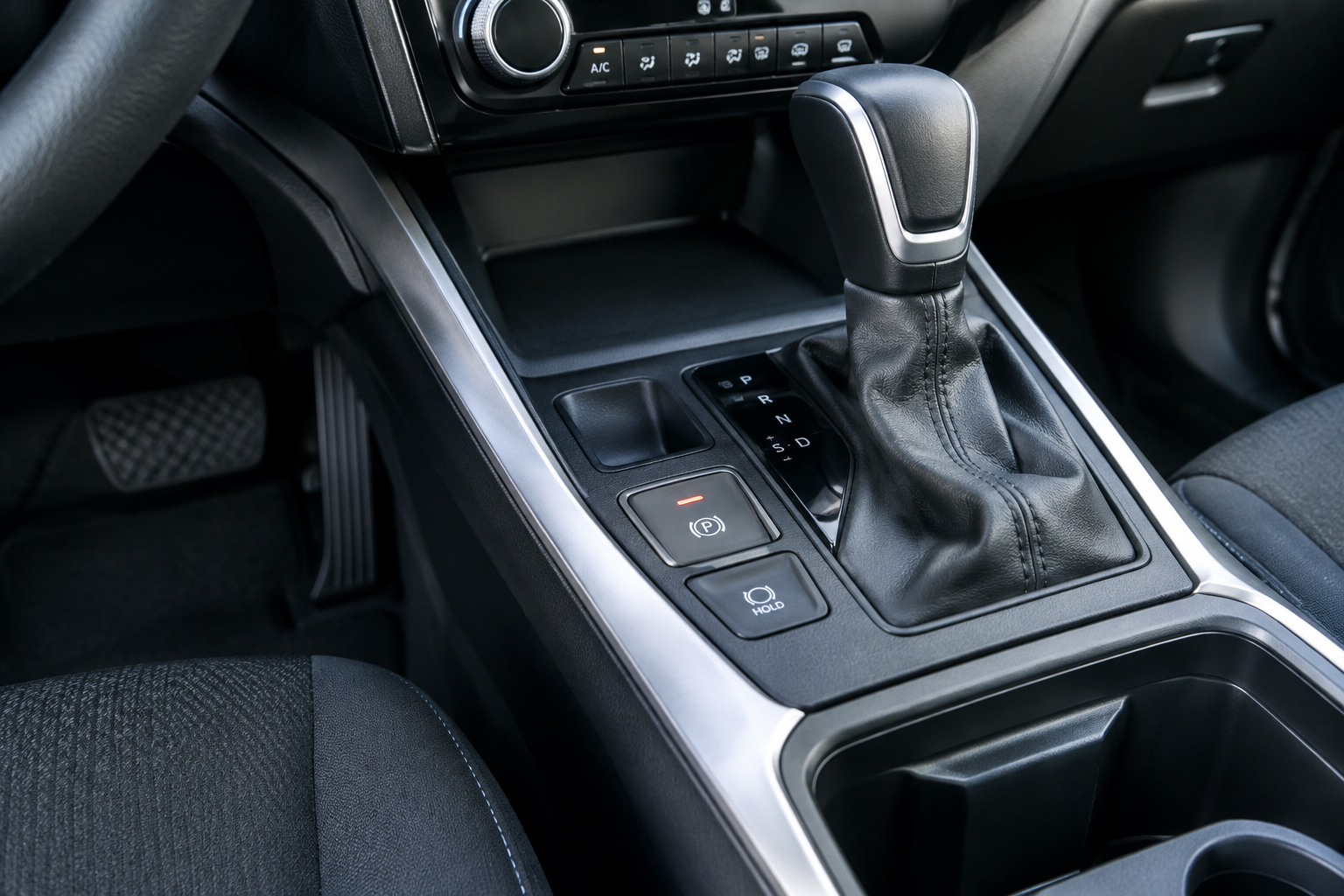 Toyota RAV4 Electronic Parking Brake Won’t Release: Causes and Safe Checks
 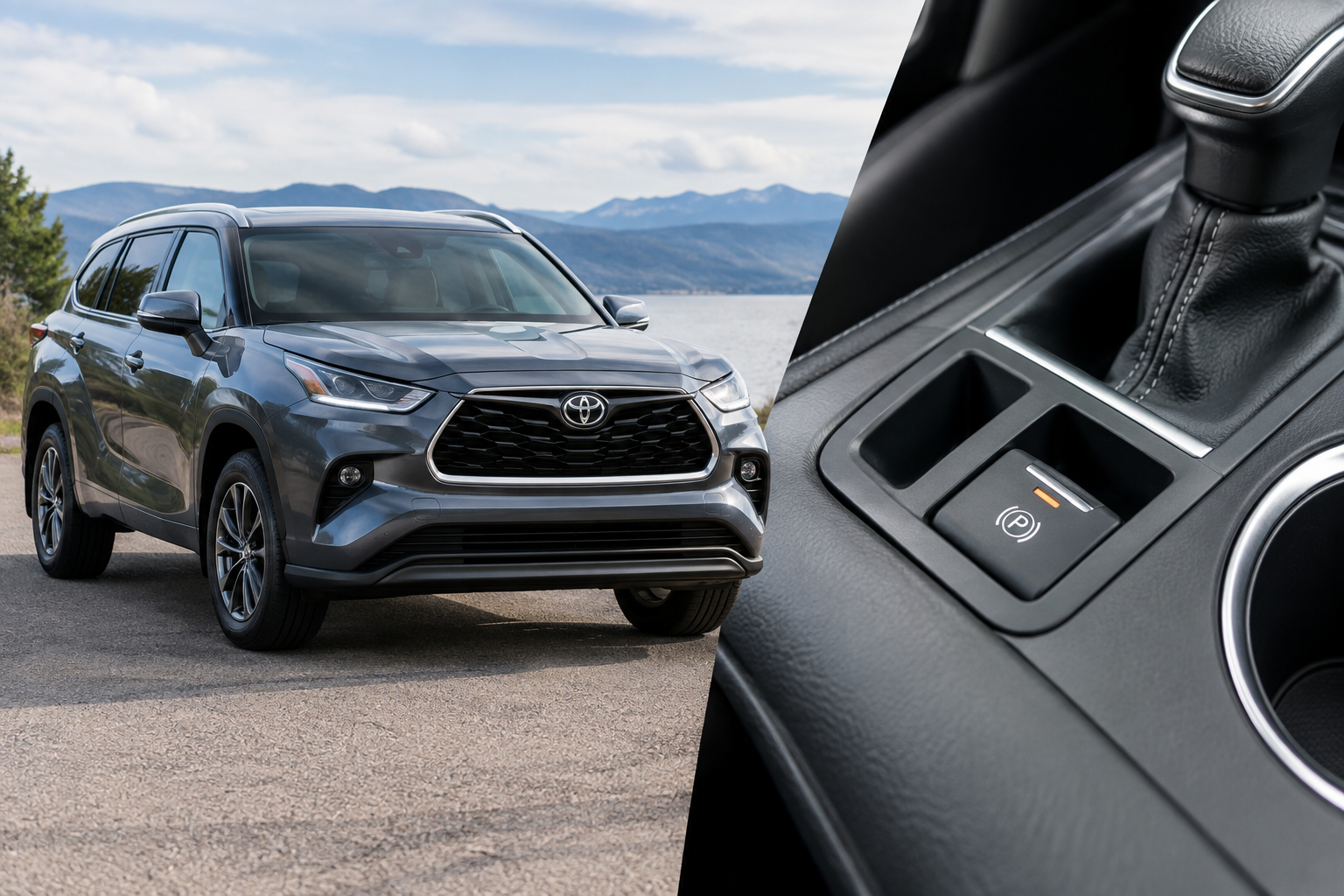 Toyota Highlander Electronic Parking Brake Won’t Release: Causes and Safe Checks
Leave a Reply