
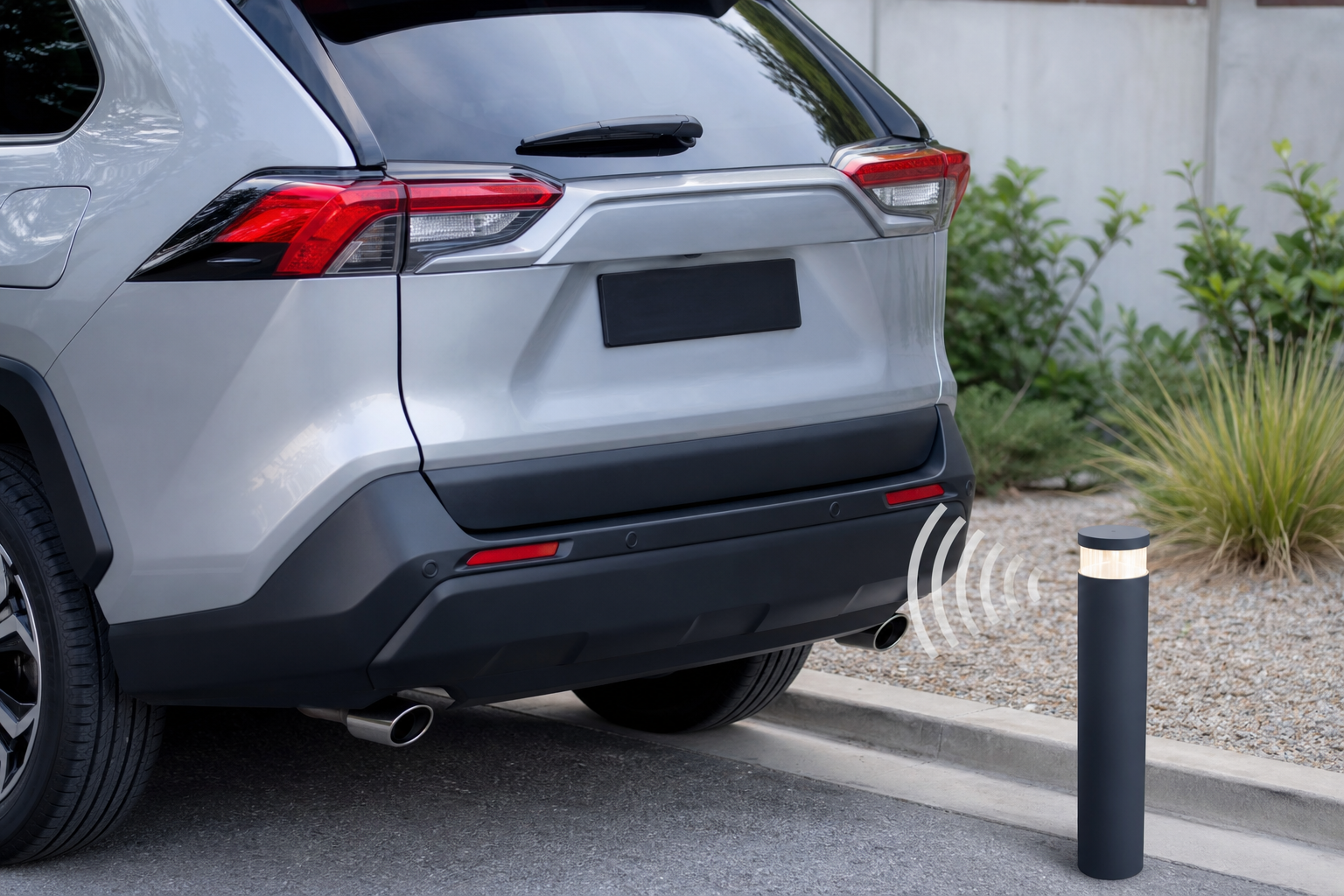
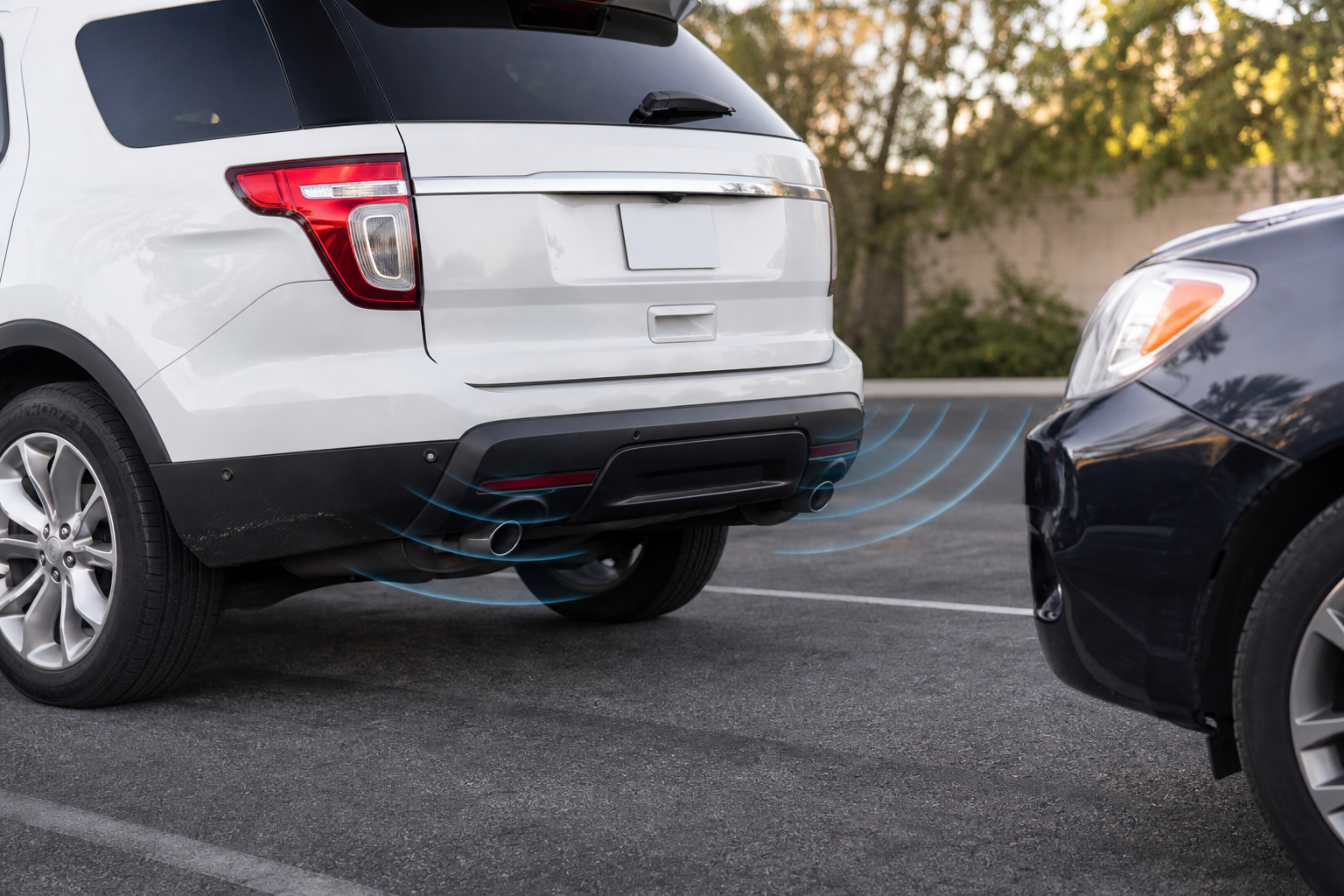
That constant beeping when nothing is behind you, or worse, dead silence when you’re about to back into a shopping cart, is one of the more annoying things a RAV4 owner can deal with. Toyota’s parking sensor system (branded Intelligent Clearance Sonar or simply the Sonar system depending on the year) relies on small ultrasonic sensors that are surprisingly sensitive to dirt, weather, and even the way you’ve accessorized your bumper. Before you assume the whole system is shot, there are several things worth checking that take less than ten minutes.
Know Your Feature Name and Sensor Locations First
Toyota doesn’t use one universal name for this system, and that matters when you’re searching for parts or reading your owner’s manual. Depending on the model year and trim, you might see it listed as:
- Toyota Park Assist or Rear Parking Assist Sonar on earlier RAV4s (2013 to 2018)
- Intelligent Clearance Sonar (ICS) on higher trims from 2019 onward, which pairs the sensors with automatic braking
- Panoramic View Monitor related sensor sets on Limited and Adventure trims with the surround-view camera package
Not every trim gets front sensors. Base LE models on many model years only have rear sensors, while XLE Premium, Limited, and TRD Off-Road trims often add front corner sensors as part of a technology package. If your RAV4 only beeps in reverse and never up front, that may simply be how it was built rather than a malfunction. Check your window sticker or owner’s manual glovebox card to confirm what you actually have equipped.
Dirty, Iced, or Wet Sensors Are the Number One Cause
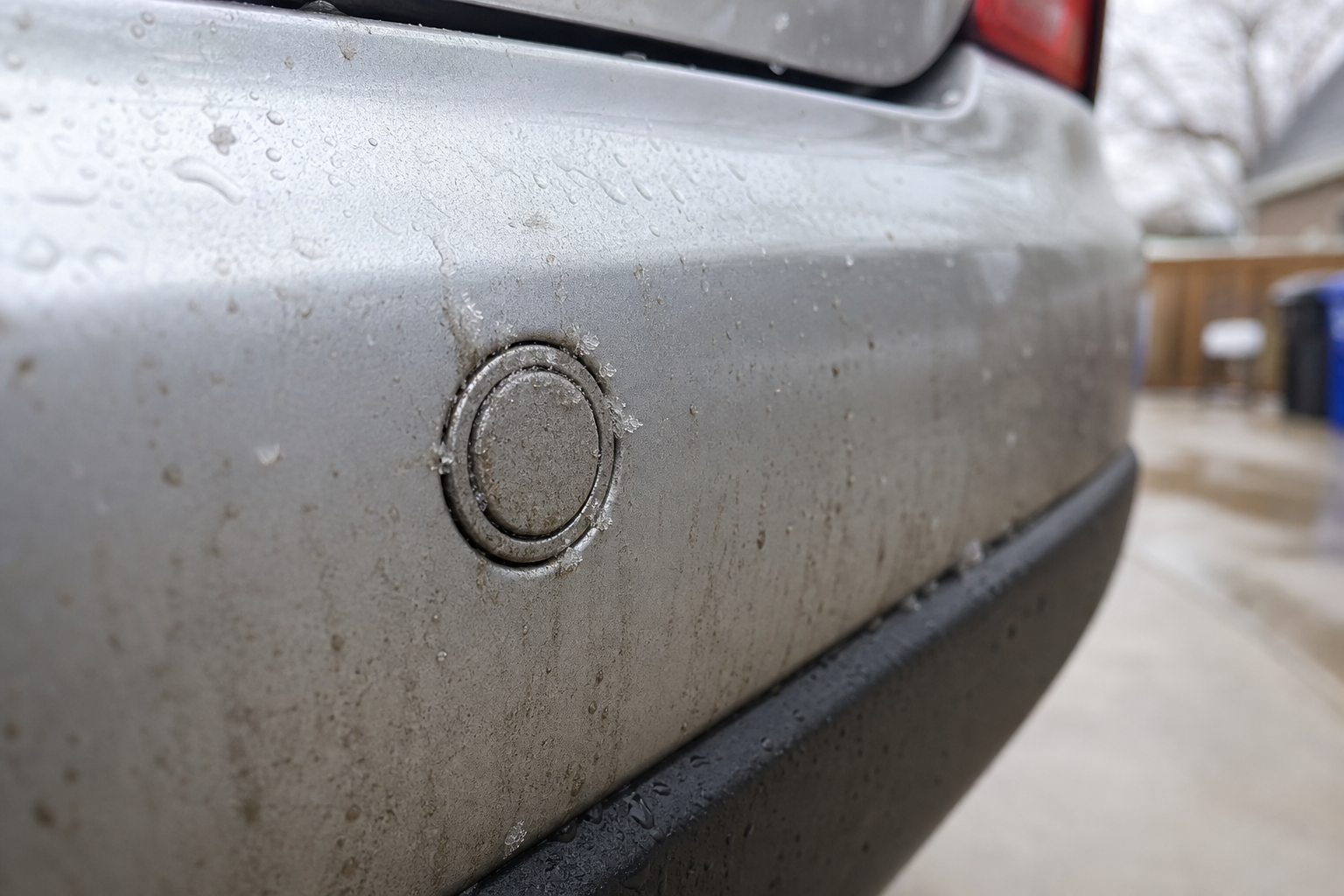
Before you touch a wrench or plug in a scan tool, wash the bumper. The sensors are the small circular discs embedded in the front and rear fascia, usually four across the back and sometimes two or four up front. Road salt, mud, brake dust, and even a thick layer of pollen can muffle the ultrasonic signal enough to cause false warnings or total sensor dropout.
In cold climates, ice buildup is probably the most common seasonal complaint. A thin layer of ice or packed snow over a sensor face acts like a wall to the ultrasonic pulse, and the system will either beep constantly (thinking something is inches away) or go silent and show a park assist unavailable message. Wipe the bumper down with a microfiber cloth and warm water, then dry it completely before testing again.
A soft detail brush and a proper microfiber towel make this kind of maintenance easier, and keeping a couple in your trunk during winter isn’t a bad idea if you drive in snow regularly.
Microfiber Cleaning Cloth Set
A lint-free cloth is the safest way to clean sensor faces without scratching the paint or sensor housing.
Tow Hitches, Bike Racks, and Aftermarket Accessories
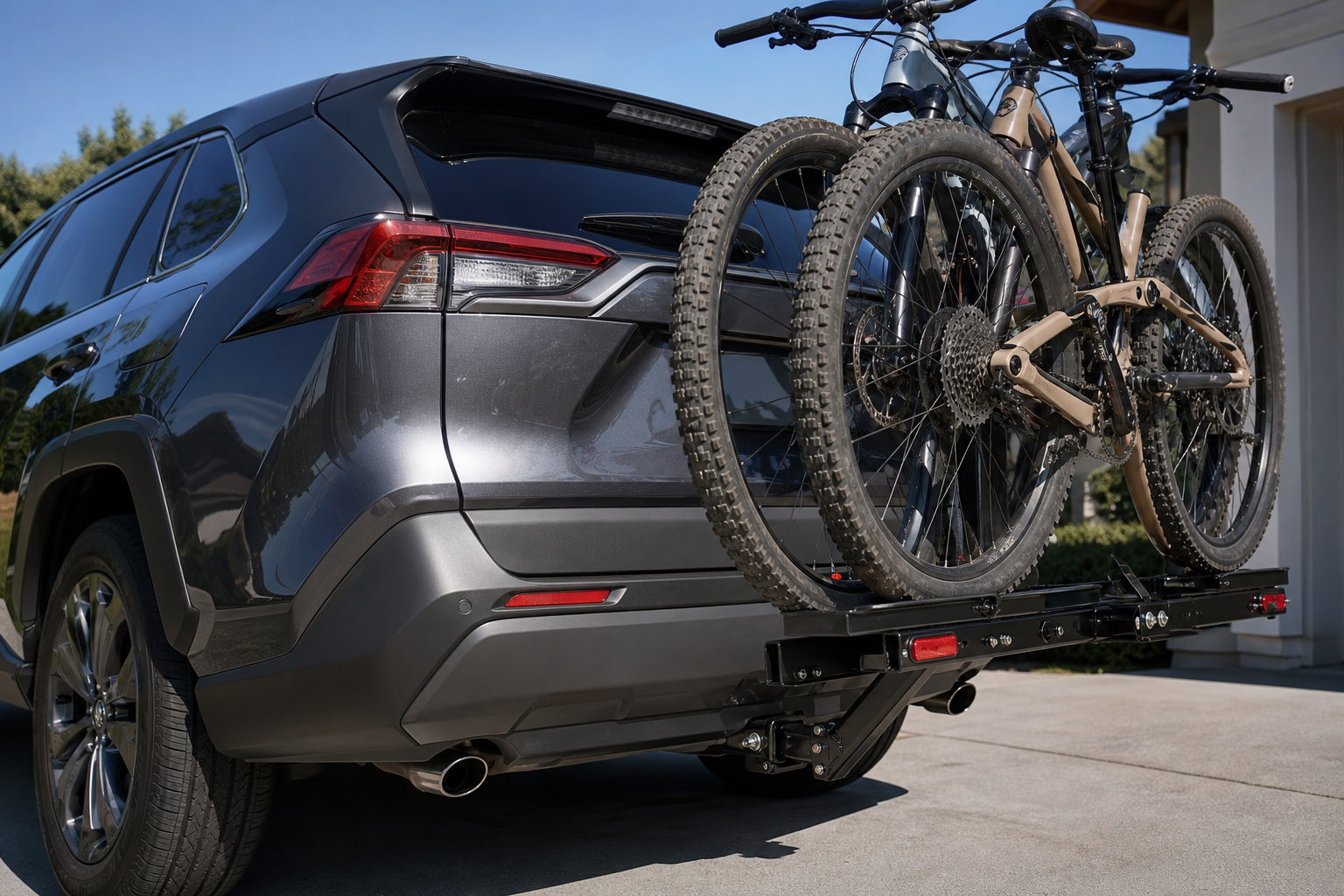
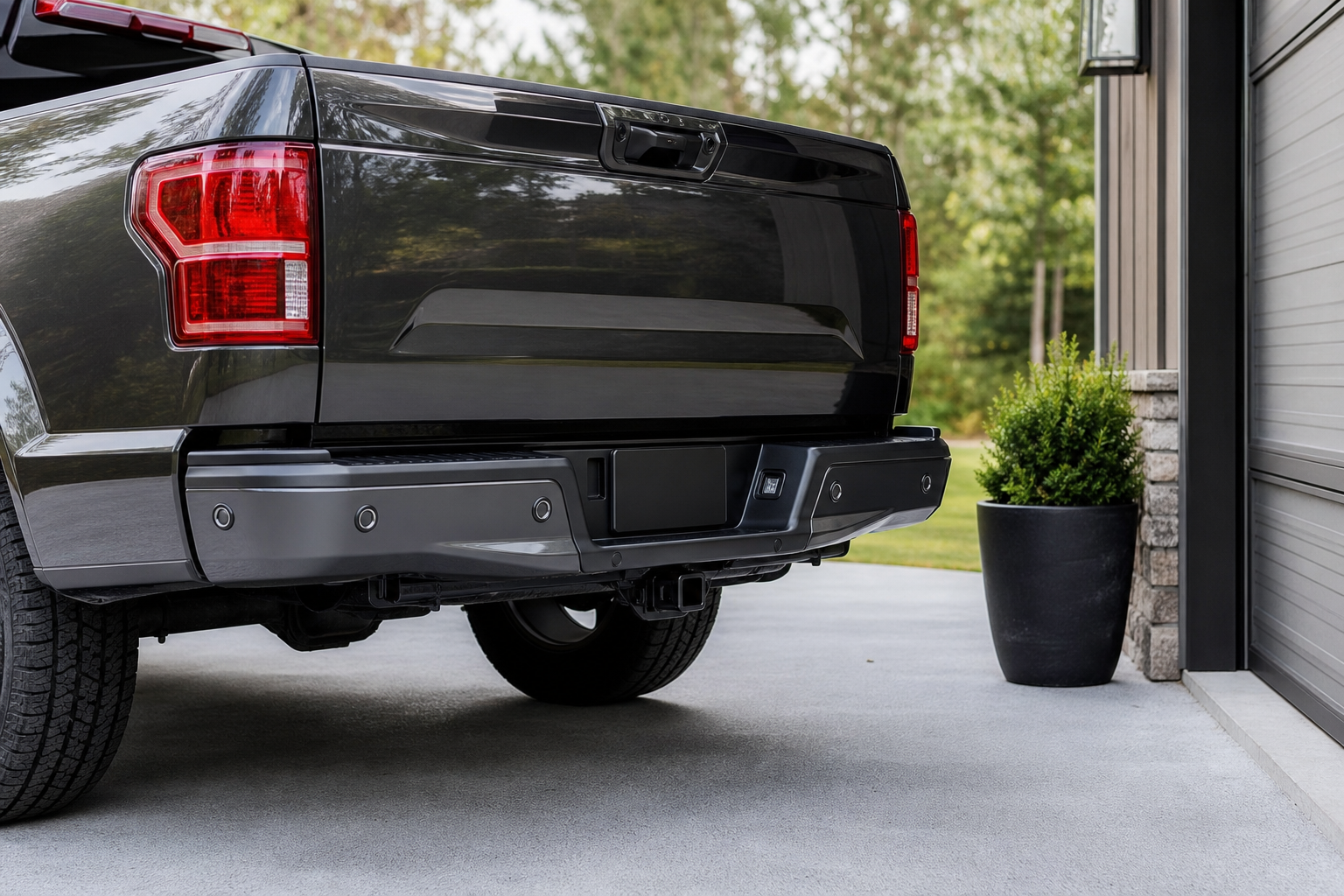
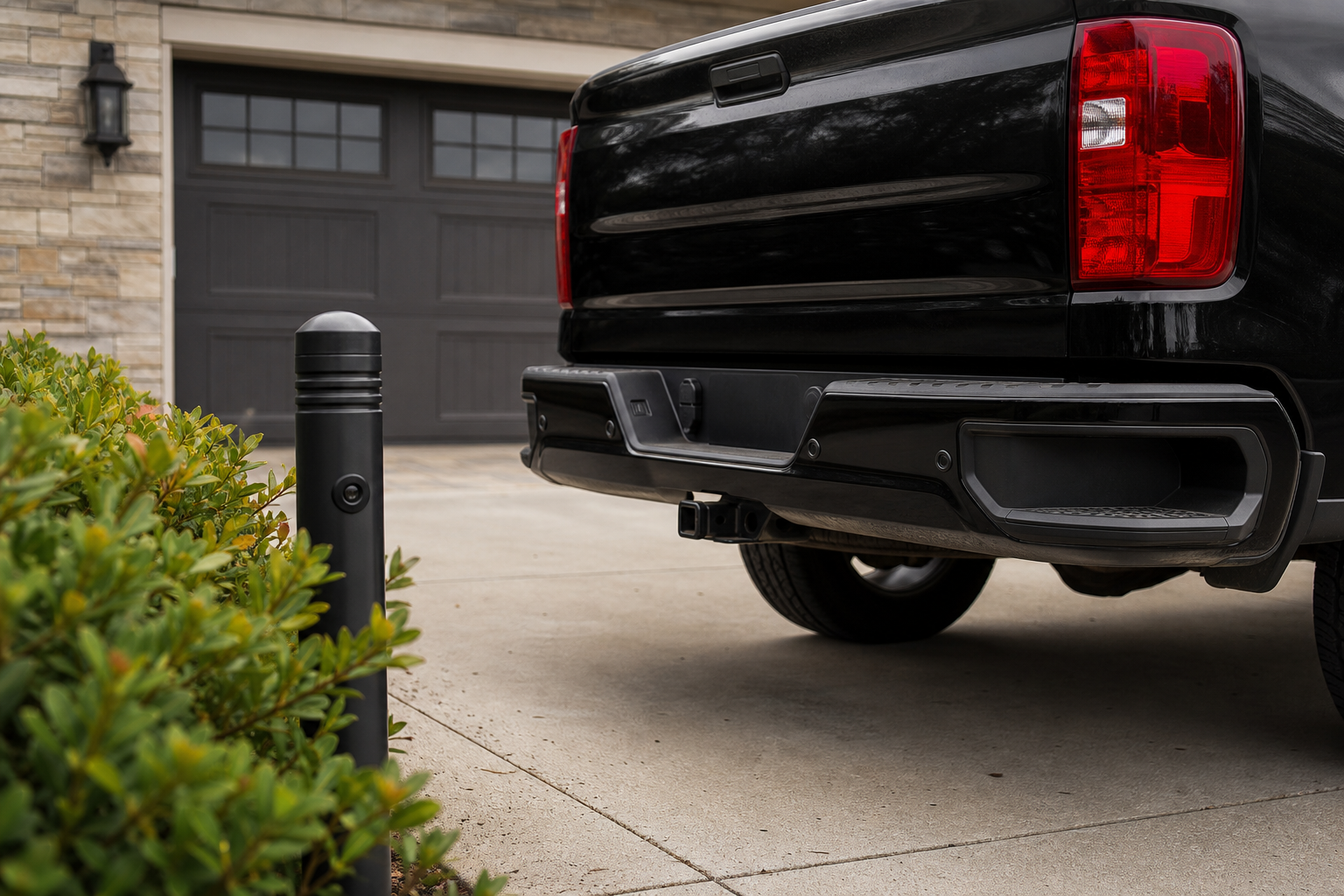
If your parking sensors started acting up right after you installed a tow hitch, that’s not a coincidence. Rear ultrasonic sensors are calibrated to expect a clear field of view behind the bumper, and a hitch receiver, especially a class III with a visible crossbar, can sit directly in that detection zone. The system may interpret the hitch itself as a permanent obstacle and beep nonstop, or it may get confused enough to disable itself.
Bike racks, cargo carriers, and even some trailer wiring harness kits mounted near the bumper can cause the same problem. Toyota actually sells hitch-compatible sensor relocation brackets for exactly this reason on RAV4 models factory-equipped with tow packages. If you added a hitch aftermarket, check whether a similar bracket exists for your specific hitch brand before assuming your sensors are broken.
It’s also worth inspecting any add-on parking sensor kits, dash cams with rear cameras, or trailer light adapters that might be interfering electrically. Toyota’s factory sensor wiring runs a shared circuit, and a poorly grounded aftermarket accessory can introduce enough electrical noise to trigger false readings.
Bumper Damage and Sensor Alignment
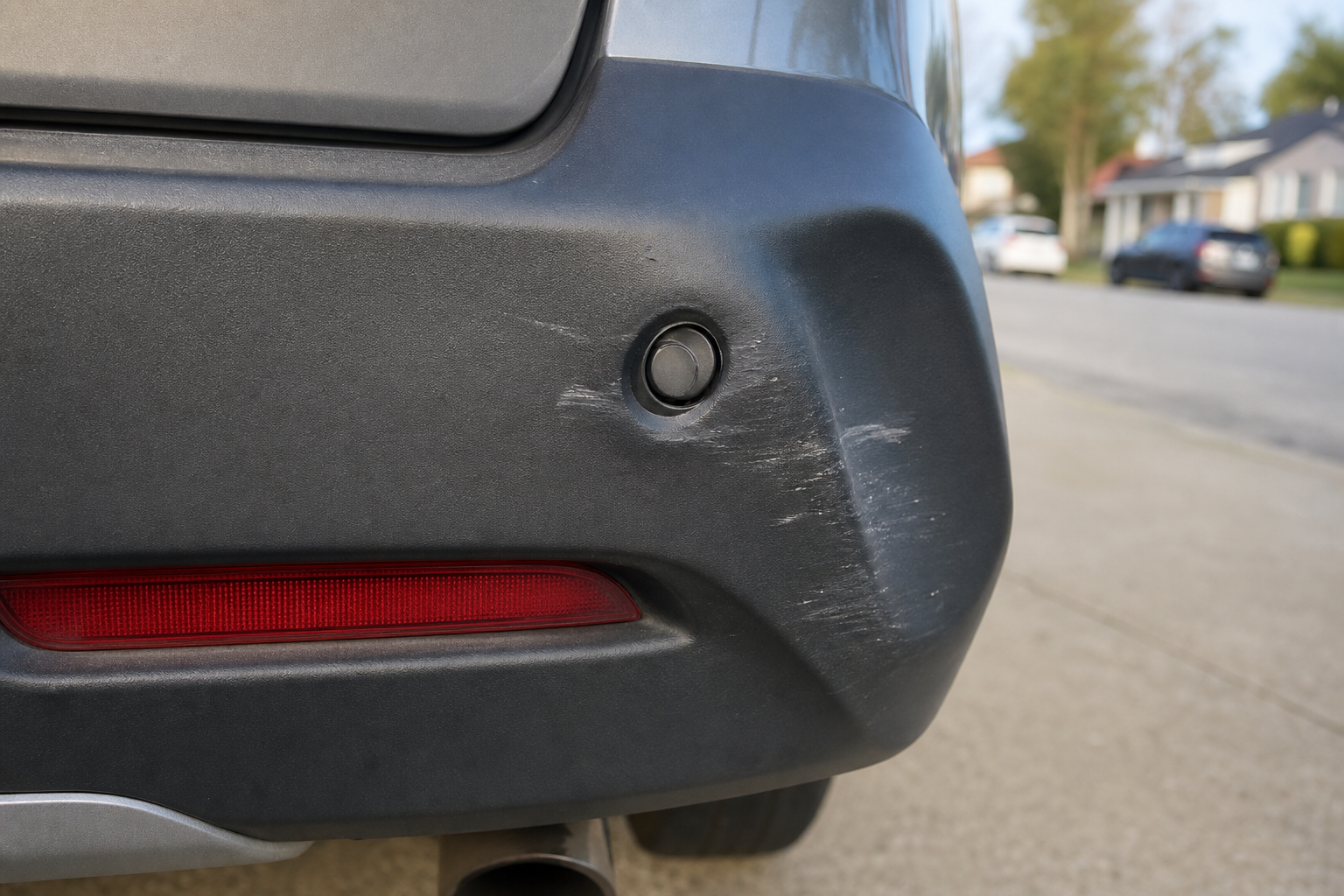
A minor parking lot bump doesn’t always leave a mark you’d notice, but it can shift a sensor just enough to throw off its angle. Each sensor is aimed at a specific angle to cover its portion of the detection zone, and even a few degrees of misalignment can cause it to miss obstacles directly in its old path or pick up false reflections from the ground or a nearby wall.
Run your hand around each sensor and check that it sits flush with the bumper and doesn’t wiggle. If you had bodywork done recently, like a bumper repaint or a cover replacement after a fender bender, ask the shop whether they recalibrated the sensors afterward. Some sensor housings simply snap back into a clip, and if that clip wasn’t seated correctly during reassembly, the sensor can point in the wrong direction even though it looks fine from the outside.
Physical bumper cracks near a sensor are also worth checking closely. A hairline crack can let water intrude into the sensor connector, causing intermittent failures that come and go with humidity or temperature swings.
Settings, Software Glitches, and the Park Assist Unavailable Message
Before assuming hardware failure, check your settings menu. Some RAV4 trims allow you to adjust sensor sensitivity or toggle sensors on and off entirely through the touchscreen, and it’s easy to accidentally bump these settings while poking around the infotainment system. A quick look through the vehicle settings or driving safety menu can rule this out in under a minute.
If you’re seeing a “Park Assist Unavailable” or similar message on the dash, that’s the system telling you it detected an internal fault rather than just an obstruction. This usually points to something more specific than dirt, like a sensor circuit issue or a software conflict, and often needs a scan tool to pull the actual fault code. A basic OBD2 reader can at least tell you if a code was stored, though full diagnosis of ICS-specific codes usually requires a Toyota-capable scan tool that reads body control module codes, not just engine codes.
Autel MaxiCOM Bidirectional Scan Tool
A bidirectional scanner can read body control module codes and even trigger individual parking sensor tests, which most cheap code readers can’t do.
Also worth remembering: parking sensors share some circuitry and logic with other driver assist features. If you’ve been troubleshooting warning messages elsewhere on the dash, it’s worth checking whether other systems are affected too. Our guide on turning off the driver monitor on the Toyota RAV4 covers a related system that sometimes gets blamed for unrelated dash warnings, and our piece on lane assist settings on the RAV4 is useful if you’re generally trying to sort out which driver aids are acting up.
Identifying a Suspect Sensor Without Guessing
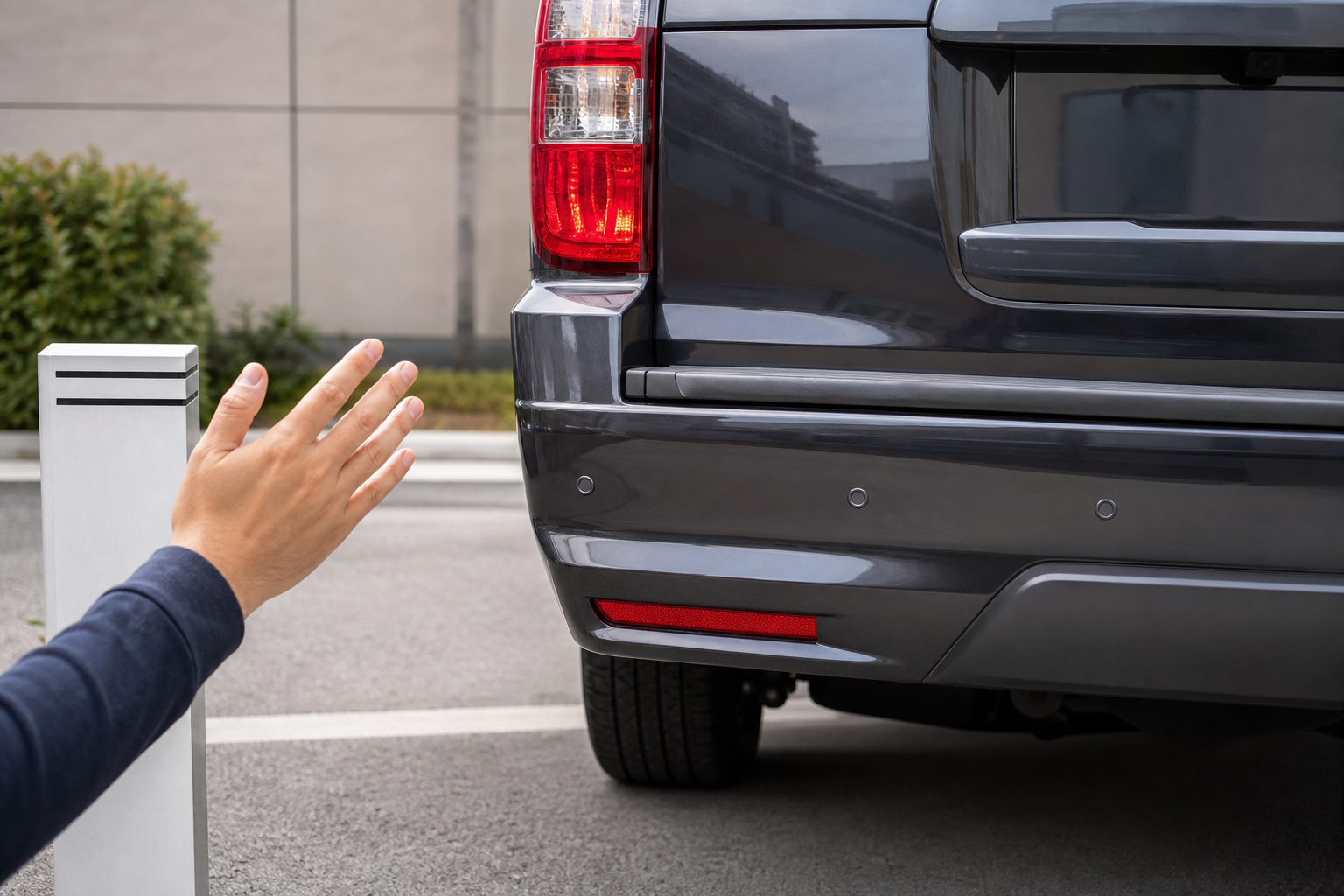
You don’t need special tools to narrow down which sensor is causing trouble. Start the car, put it in reverse, and slowly walk around the back bumper while a second person watches the dash display (most RAV4s with the surround camera package show which zone is triggering on the touchscreen). Wave your hand a few inches from each sensor one at a time and listen for a change in beep pattern.
A sensor that never responds no matter how close you get is likely dead or disconnected. A sensor that responds inconsistently, working sometimes and not others, points toward a wiring or connector issue rather than a fully failed unit. If every sensor on one side of the bumper (front or rear) fails at once, that’s a strong sign of a wiring harness or module problem rather than four sensors coincidentally dying together.
Write down which specific zone is affected, since that information is genuinely useful if you end up needing a scan tool diagnosis or a shop visit. Guessing at “the sensors don’t work” wastes diagnostic time compared to saying “the rear passenger-side sensor stopped responding after I installed a hitch.”
When You Need Calibration or a Scan Tool
Simple dirt and ice issues resolve themselves once you clean the bumper. But a few situations genuinely require professional-level diagnosis rather than DIY troubleshooting:
- Any bumper replacement or repaint, which typically requires sensor recalibration to restore proper detection angles
- A stored fault code pointing to a specific sensor circuit or the ICS control module
- Intermittent failures that follow a wiring harness route rather than a single sensor location
- Any situation where Intelligent Clearance Sonar’s automatic braking function is affected, since that’s a safety system and not something to leave half-diagnosed
If your RAV4 is still under warranty, a dealership visit makes sense for anything involving the automatic braking side of ICS. For sensor cleaning, alignment checks, or basic reverse-only park assist, an independent shop with a capable scan tool can usually confirm whether you’re looking at a wiring problem, a failed sensor, or a control module issue.
Frequently Asked Questions
Why do my RAV4 parking sensors beep constantly with nothing around?
The most common cause is a dirty, wet, or ice-covered sensor face reflecting a false signal back to the system. Bumper accessories like tow hitches or bike racks parked in the detection zone are the next most likely cause, followed by a misaligned sensor after minor bumper damage.
Does every RAV4 trim have front parking sensors?
No. Many base and mid-range trims only include rear sensors, while front corner sensors are typically bundled with higher trims or technology packages, especially those that include Intelligent Clearance Sonar. Check your specific trim’s equipment list or window sticker to confirm what you have.
Can I replace a Toyota parking sensor myself?
Sensor housings are generally accessible from behind the bumper cover, but proper replacement and recalibration procedures vary by model year and trim, and getting the angle or connector seating wrong can cause the same symptoms you started with. If you’ve confirmed a specific sensor has failed through testing, it’s best to have a shop with Toyota-specific diagnostic capability handle the replacement and any required calibration.
Leave a Reply