
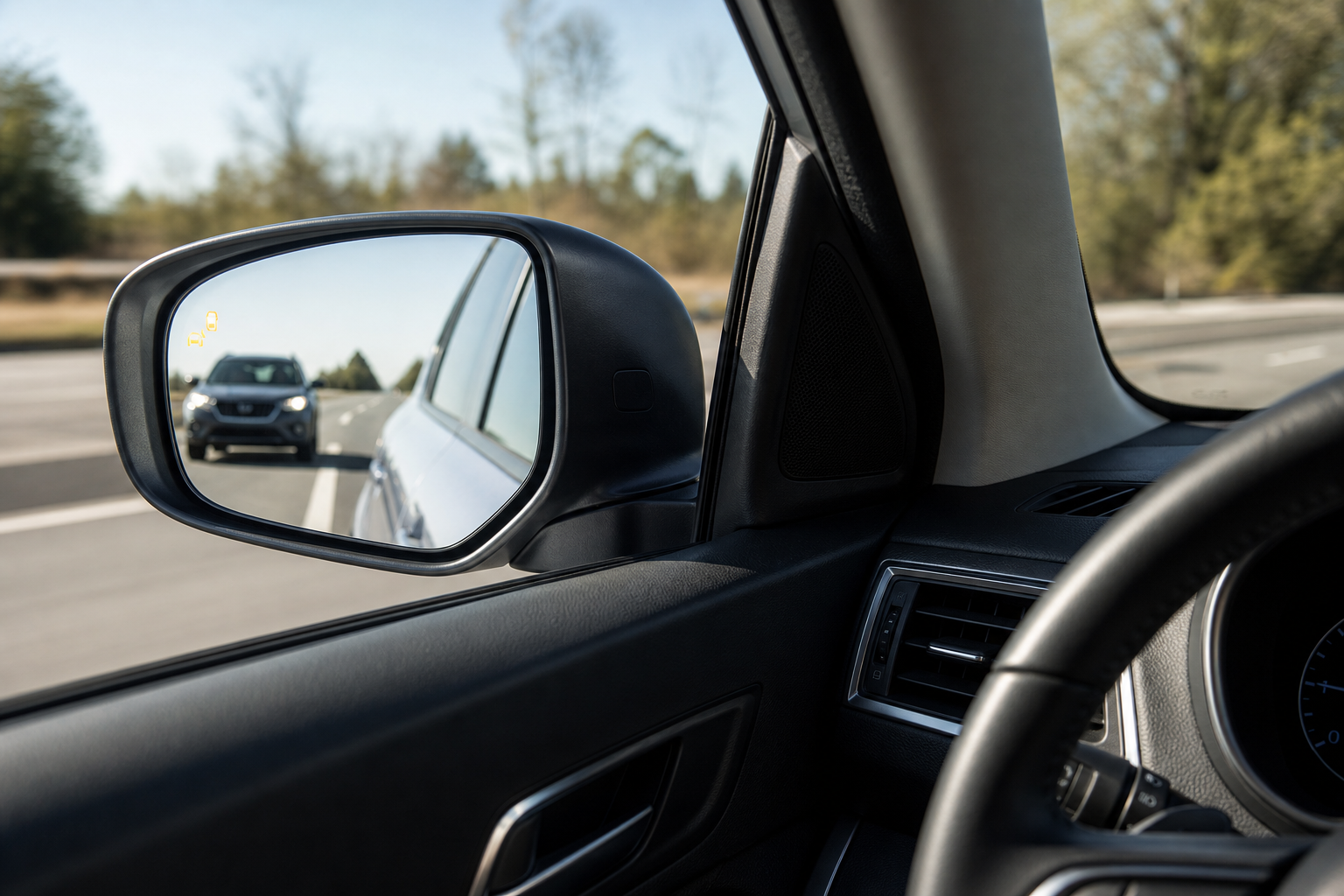
If the blind spot warning light on your Subaru Outback’s side mirror suddenly goes dark, or you’re seeing a message telling you the system is unavailable, it’s easy to assume the worst. In most cases, though, the fix has nothing to do with a broken sensor. Dirt, road grime, a coating of snow, or even a low battery can trigger the exact same warning as an actual hardware failure, and knowing the difference can save you a trip to the dealer.
This guide walks through the Subaru Outback’s blind spot system from the ground up, starting with the checks you can safely do yourself in the driveway before getting into the sensor faults and calibration issues that need a shop or scan tool.
What System Are You Actually Dealing With?
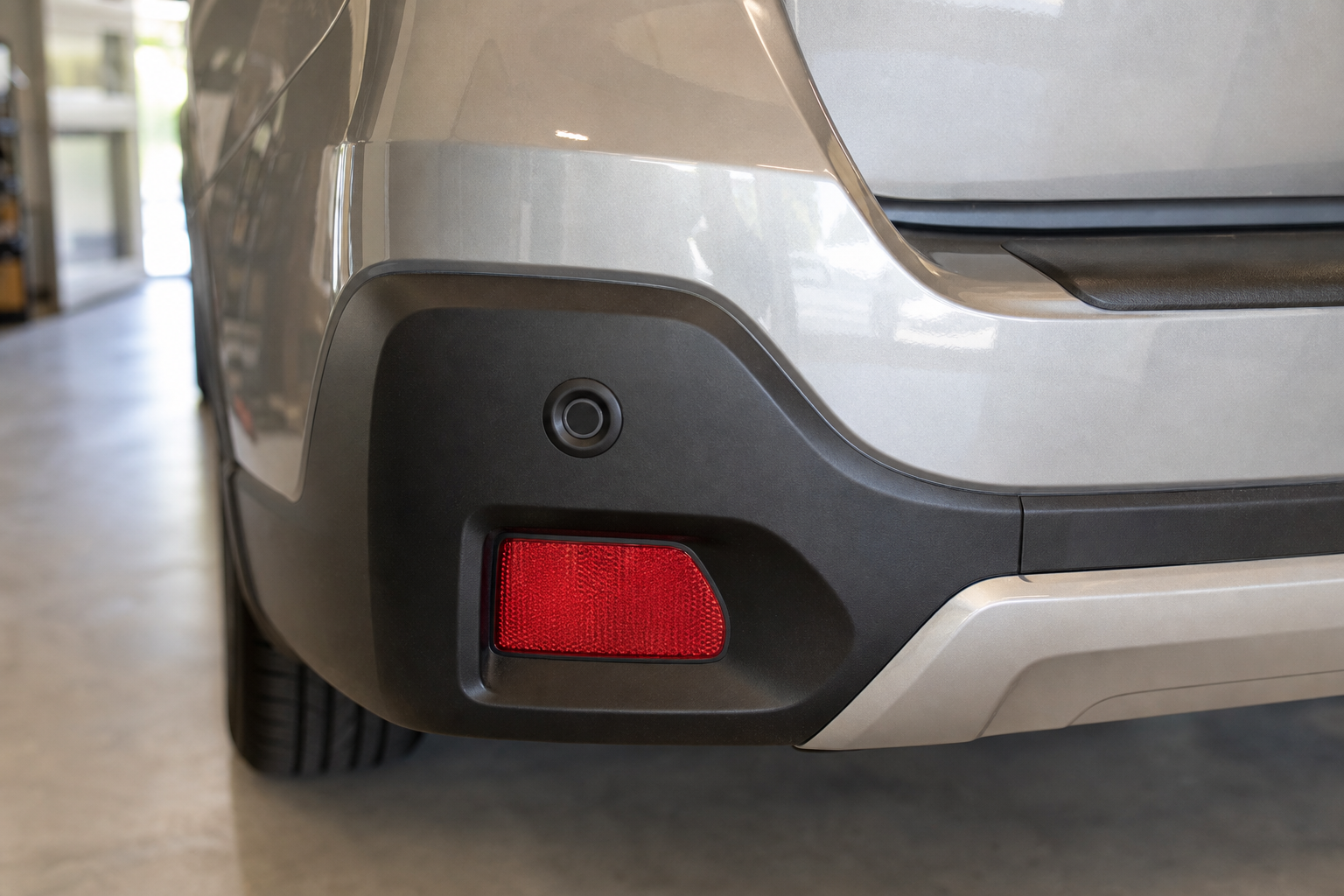
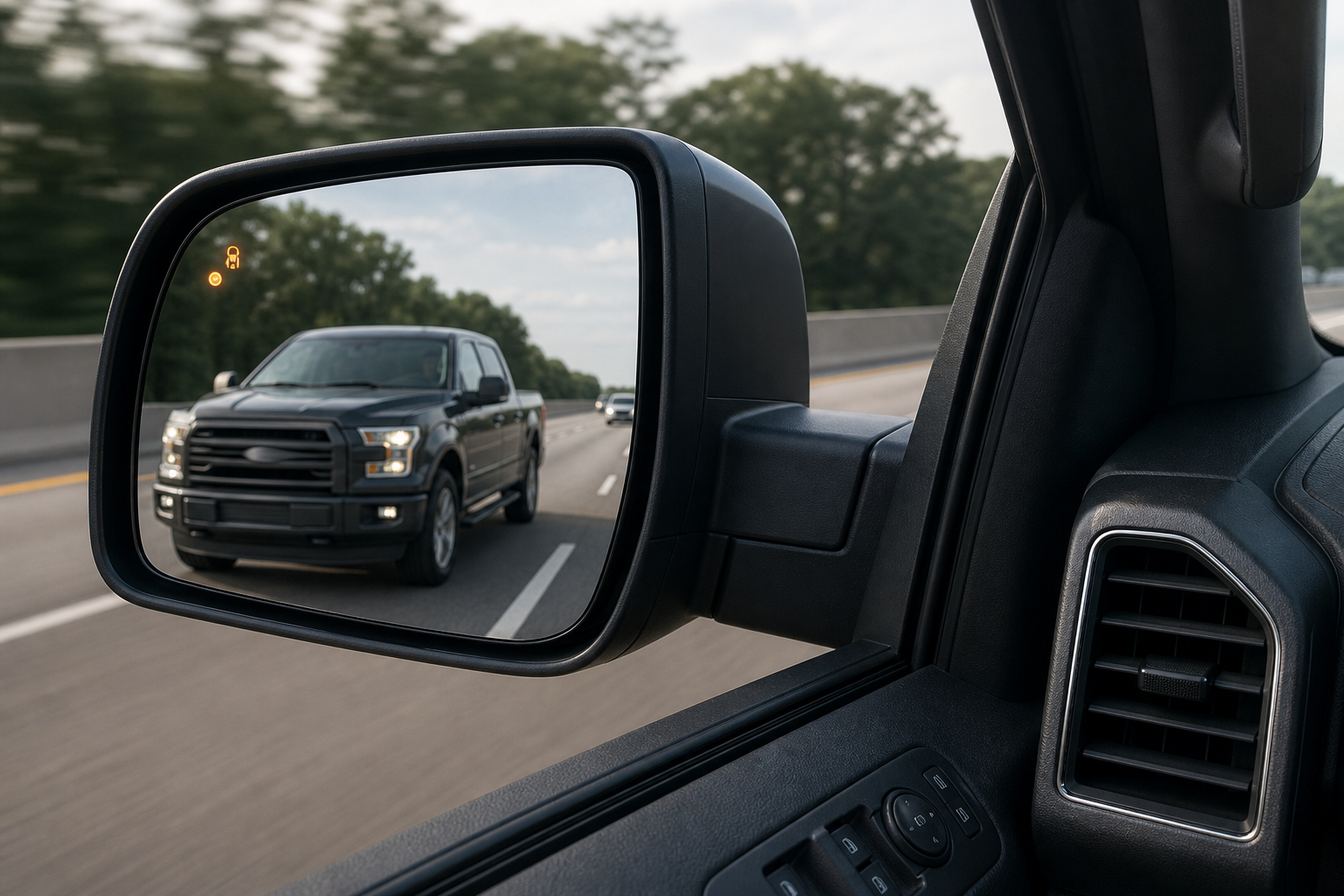
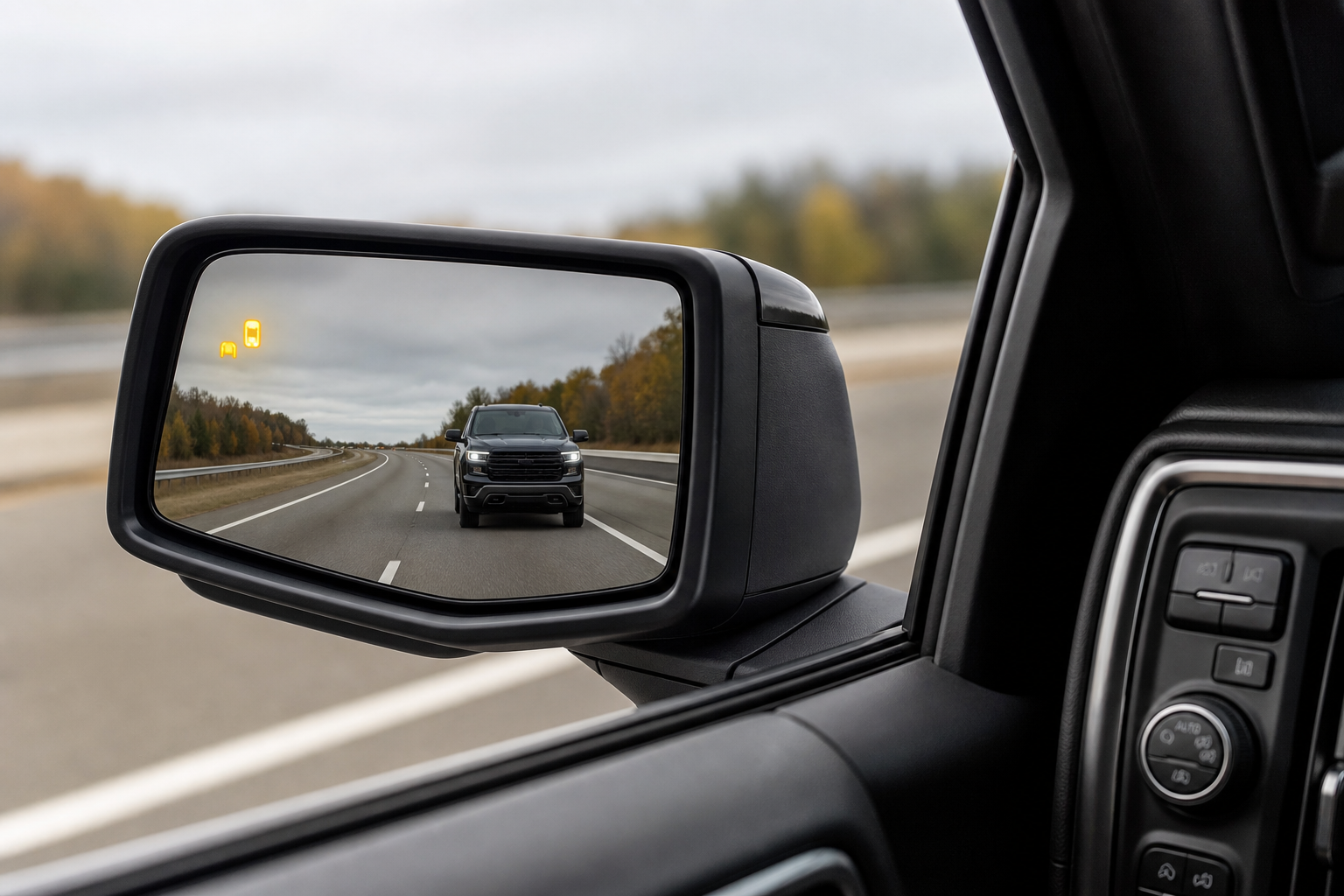
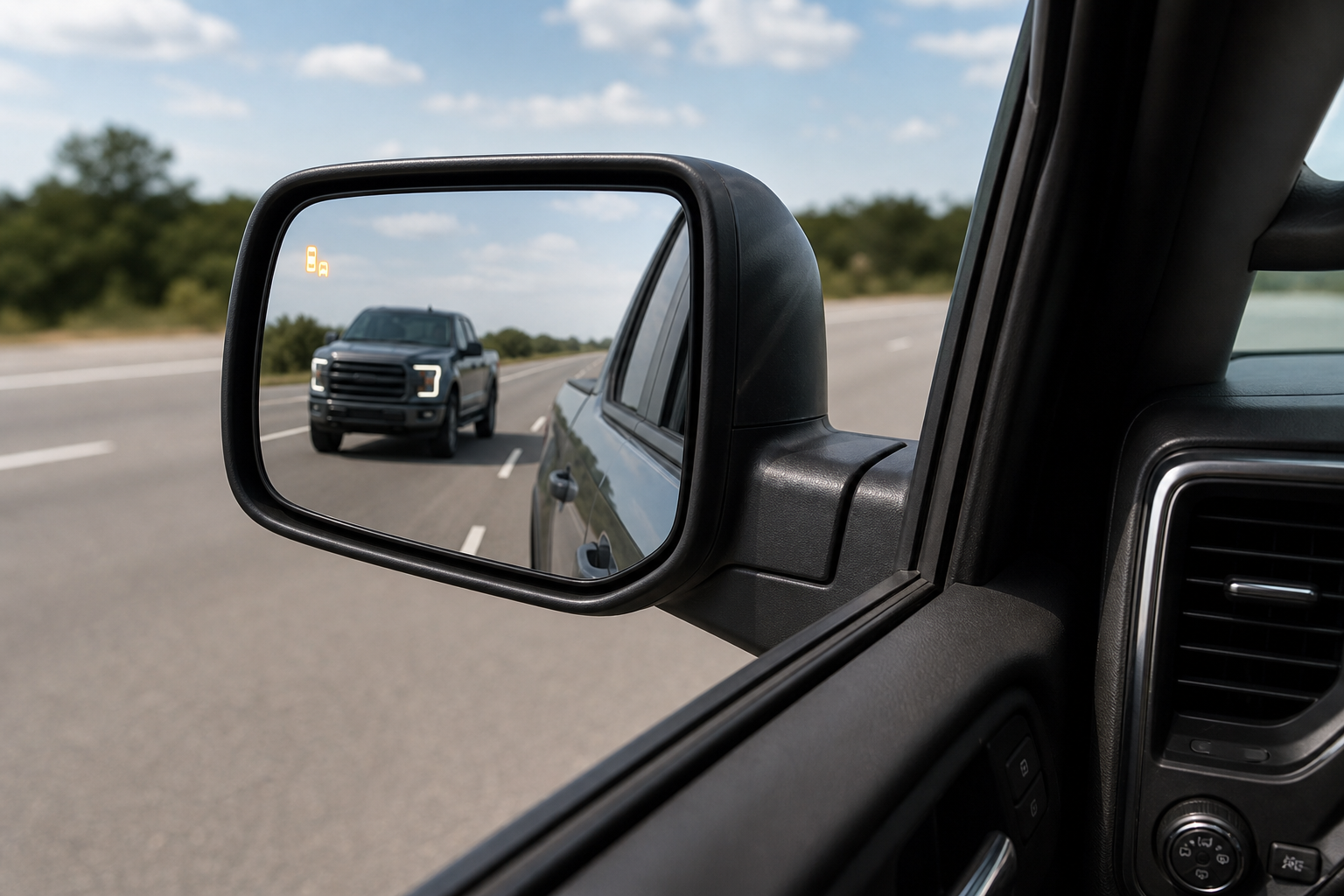
Subaru calls this feature Blind Spot Detection, or BSD, and it usually works alongside Lane Change Assist (LCA) and Rear Cross Traffic Alert (RCTA). These three systems share the same radar hardware, so a problem with one often shows up as a problem with all three at once.
It’s worth being clear about something a lot of Outback owners get confused about: this is not part of EyeSight. EyeSight is Subaru’s camera-based system mounted at the top of the windshield, and it handles things like adaptive cruise, lane keep assist, and forward collision warning. BSD/LCA/RCTA use small radar sensors tucked into the rear bumper corners, one on each side, angled to scan the lanes behind and beside your Outback.
That distinction matters for troubleshooting. If your EyeSight-based features are acting up but blind spot monitoring is fine, you’re looking at a windshield camera issue, not a bumper radar issue. If you’re trying to sort out other EyeSight-related alerts, our guide on turning off DriverFocus on the Subaru Outback covers that separate camera-based system in detail, and our Lane Assist on the Subaru Outback article walks through the EyeSight lane systems specifically.
Trim and Model Year Differences
BSD/LCA became available on the Outback starting with the 2015 model year, but availability by trim has shifted over time. On many model years, blind spot monitoring is standard on Premium trim and above, while the base trim may not offer it at all or only as part of an optional package. Rear Cross Traffic Alert typically rides along with BSD as a bundled feature rather than a standalone option.
Because Subaru has changed trim naming and equipment bundles across generations, the safest move is to check your specific Outback’s window sticker or owner’s manual to confirm whether your trim came with BSD from the factory. If you’re shopping used and want to know which model years had broader reliability issues beyond blind spot sensors, our breakdown of Subaru Outback years to avoid is worth a read before you buy.
Owner-Safe Checks to Try First
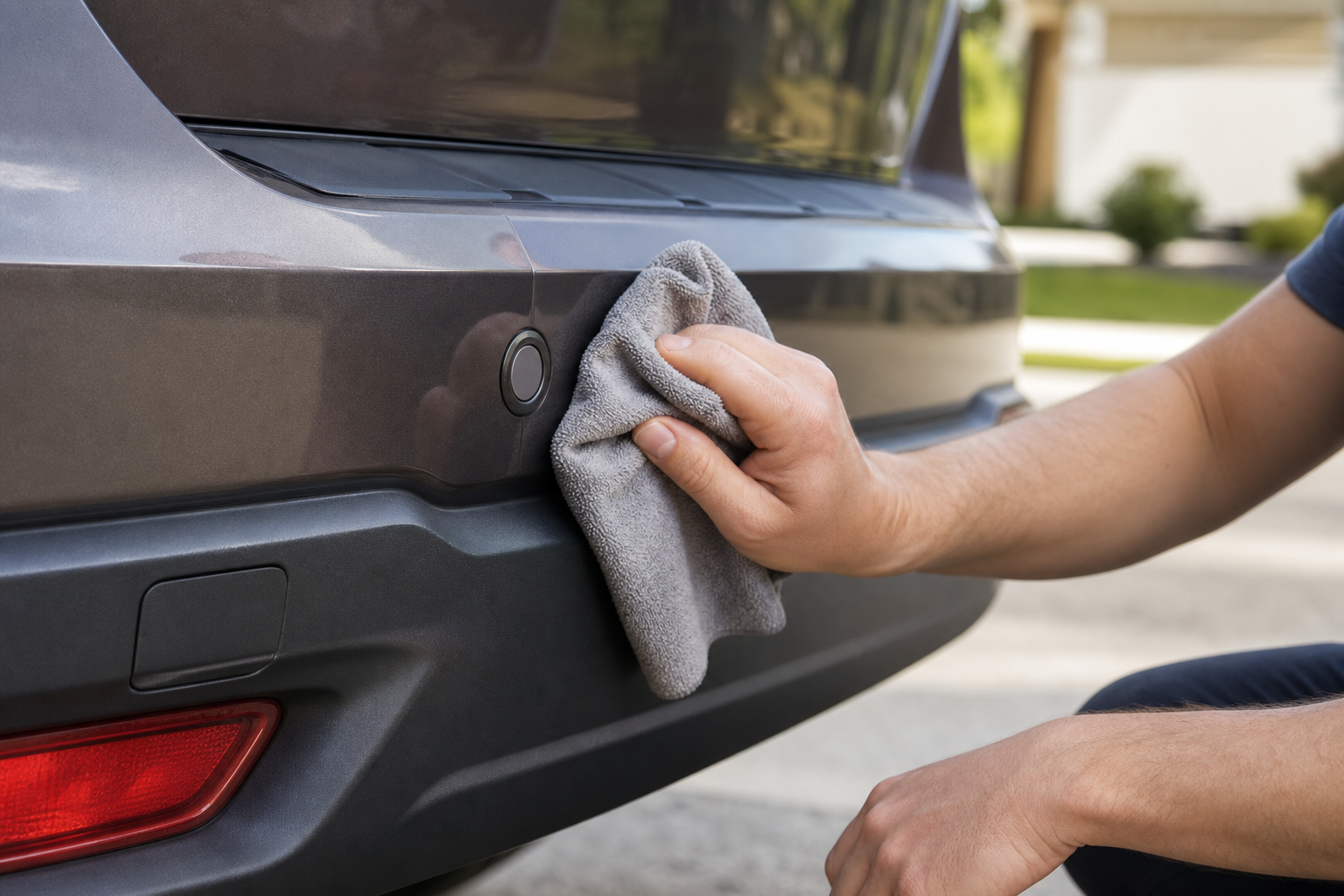
Before you assume you need a new sensor, run through these checks. They take a few minutes and cover the vast majority of blind spot monitoring complaints on the Outback.
- Clean the rear bumper corners. Mud, road salt, ice, or even a thick layer of dust over the radar sensor area can block the signal enough to trigger an “unavailable” message. Wipe down both rear bumper corners with a clean microfiber cloth and check again.
- Clear snow and ice buildup. Winter driving is the most common trigger for temporary BSD outages. Packed snow behind the rear bumper, especially after driving on slushy roads, can fully block the radar until it melts or you clear it manually.
- Inspect the bumper for damage. A cracked, dented, or misaligned rear bumper can throw off the sensor’s angle enough that it stops reading correctly. Even minor parking lot damage that looks cosmetic can shift a sensor’s aim.
- Remove aftermarket trailer hitches or bumper accessories. A hitch receiver, bike rack mount, or aftermarket step bumper installed too close to the sensor location can physically block or reflect the radar signal. Try removing the accessory temporarily to see if the warning clears.
- Check your battery voltage. Subaru’s driver assist systems are sensitive to low voltage, and a weak battery can cause BSD, LCA, and RCTA to disable themselves with no other symptoms. If your Outback has been sitting, or you’ve noticed slow cranking, this is worth ruling out before anything else. Our article on a car battery dying overnight with a good alternator covers how to test this properly.
- Confirm the feature is actually turned on. It sounds obvious, but BSD can be toggled off in the settings menu, sometimes accidentally during a dealer service visit or a software update. Check the driver information display settings to confirm the system is enabled.
- Give it a minute after startup. Some BSD warnings that appear right after starting the car clear themselves once the radar completes its self-check. Don’t panic if the light flickers for a few seconds and then goes solid.
If you’ve gone through this list and the warning still won’t clear, or it comes and goes randomly regardless of weather or cleanliness, you’re likely dealing with something that needs a closer look.
When It’s a Sensor Fault or Calibration Issue
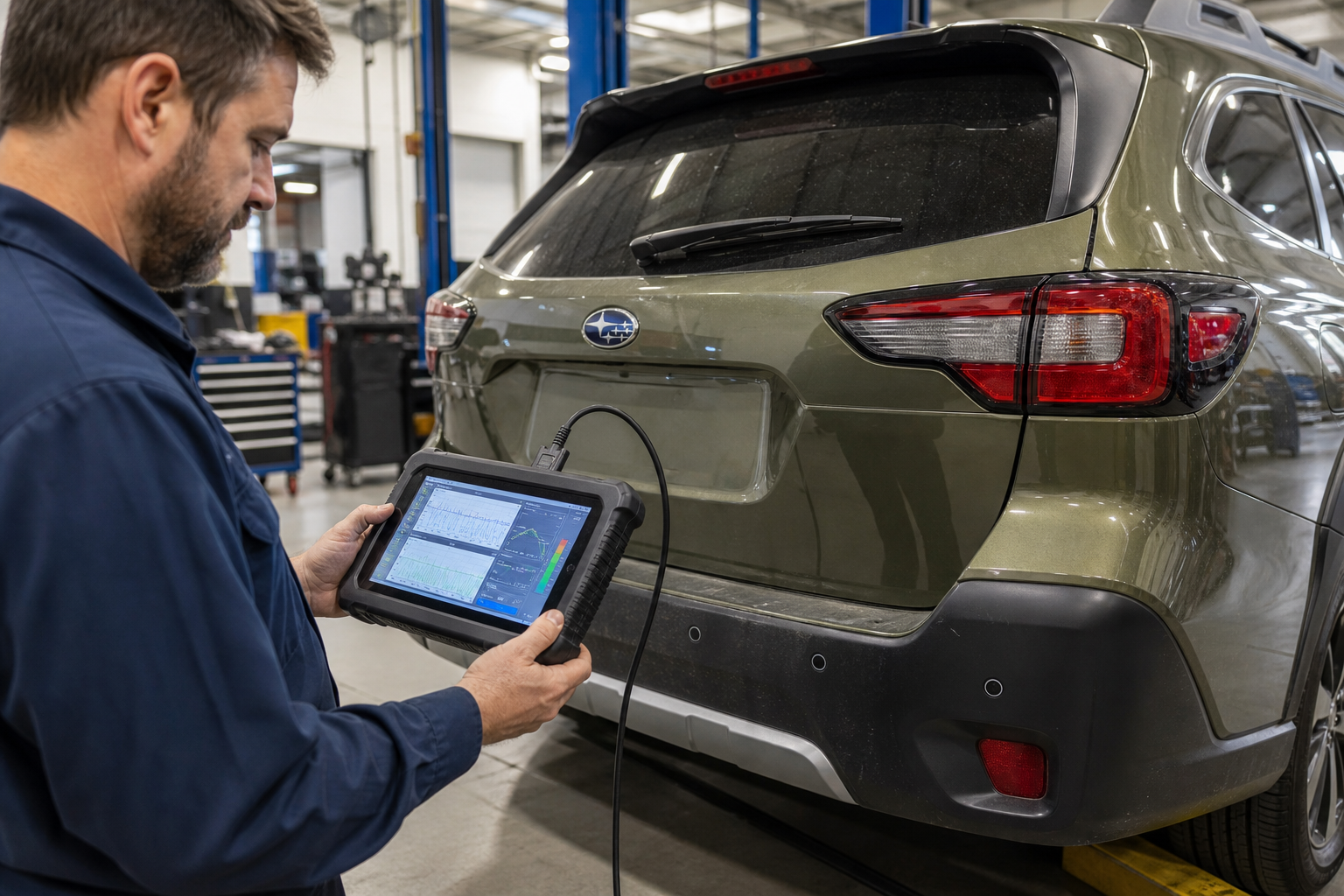
If cleaning, clearing snow, and checking the battery don’t fix it, the next suspects are the radar sensors themselves or their alignment. These are jobs that generally require a scan tool and, in some cases, factory calibration equipment, so this is where DIY troubleshooting hands off to a technician.
Signs You Need Professional Diagnosis
- The BSD warning light stays on constantly, even in clear, dry conditions with a clean bumper.
- You’ve been in a rear-end collision or had recent bumper repair work done, even minor.
- The system throws an error message every time you start the car, regardless of weather.
- One side works fine but the other consistently fails, which points to a specific sensor rather than a general voltage or software issue.
A shop will typically plug into the Outback’s diagnostic port with a scan tool capable of reading Subaru-specific codes to pinpoint which sensor is faulted or whether it’s a wiring or connector issue behind the bumper cover. If a bumper was recently replaced or repainted, the radar sensor often needs to be recalibrated to the correct aim angle, a process that usually requires Subaru’s factory software or an equivalent aftermarket tool with Subaru coverage. This isn’t something you can eyeball or fix with a generic code reader.
If you want to have basic diagnostic capability on hand before booking a shop visit, a capable OBD2 scanner with Subaru compatibility can at least confirm whether a fault code is present, which saves you a diagnostic fee at some shops.
Autel MaxiCOM OBD2 Scanner
A solid mid-range scanner that reads manufacturer-specific codes, useful for confirming a BSD sensor fault before you pay for a shop diagnosis.
If it turns out you need a replacement radar sensor, sourcing an OEM or OEM-equivalent part matters here. These sensors are calibrated for a specific mounting position and connector, so a mismatched part can cause more headaches than it solves.
Subaru Blind Spot Radar Sensor
Search results for OEM-style replacement radar sensors matched to Outback bumper mounting points.
Protecting the System Going Forward
Once your BSD system is working correctly again, a little maintenance goes a long way toward keeping it that way. Rinsing the rear bumper corners during regular car washes, especially in winter when salt builds up fast, prevents the most common cause of “unavailable” warnings from creeping back in.
If you tow a trailer or use bike racks regularly, it’s also worth double checking that any hitch-mounted accessory sits clear of the sensor zone every time you install it, since even a slightly different mounting angle can be enough to interfere. A soft-bristle detail brush and a bumper-safe cleaner, like a basic detailing brush kit, makes it easy to clear grime out of the sensor area without scratching the paint or the sensor cover.
Keeping your battery healthy is another simple habit that pays off. If your Outback sits for extended periods, a maintainer keeps voltage stable enough that driver assist systems like BSD don’t get knocked offline just from a slow battery drain.
NOCO Genius Battery Maintainer
An affordable way to keep your Outback’s battery voltage stable, which helps prevent driver assist systems from disabling themselves.
Frequently Asked Questions
Why does my Outback’s blind spot warning only fail in bad weather?
Heavy rain, snow, and road spray can temporarily block or scatter the radar signal from the rear bumper sensors. This is normal behavior, not a fault, and the system should recover once the bumper dries off or the debris clears. If it persists well after conditions improve, that points toward a cleaning or physical obstruction issue rather than weather alone.
Can a dealer recalibrate the blind spot sensors without replacing them?
Yes, in many cases a sensor just needs to be re-aimed rather than replaced, especially after bumper repair or a minor impact. A technician uses Subaru’s calibration procedure to reset the sensor’s reference angle, which is far less expensive than a full sensor replacement.
Does a trailer hitch permanently disable blind spot monitoring on the Outback?
Not necessarily, but hitch placement matters a lot. A properly installed Subaru-approved hitch usually sits low enough to avoid the radar’s field of view, while aftermarket or incorrectly mounted hitches can sit directly in the sensor’s path and cause consistent false unavailable messages.
This article contains affiliate links. We may earn a small commission at no extra cost to you.

Leave a Reply