
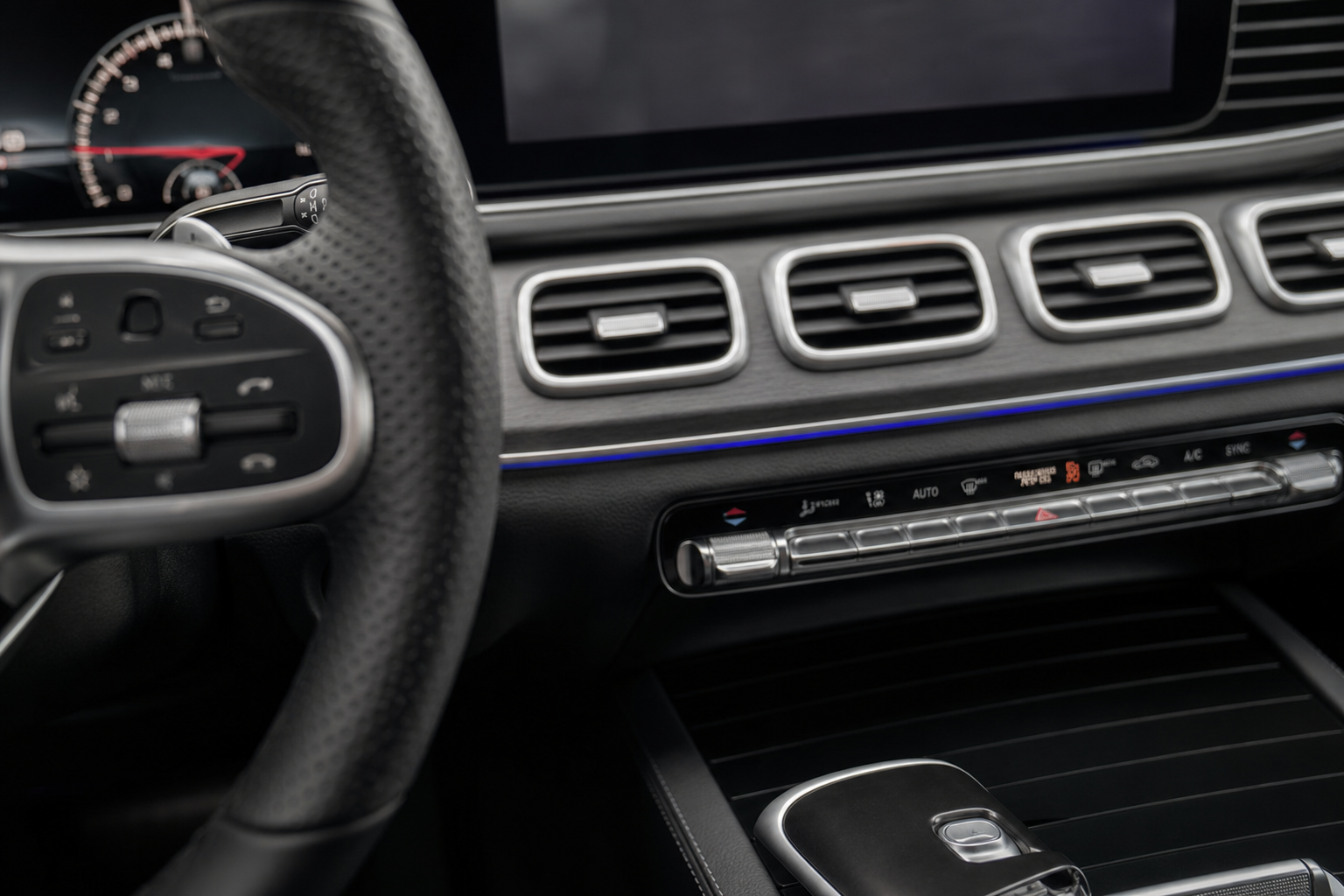
The auto start/stop system on the Mercedes-Benz GLS is designed to save fuel by shutting the engine off every time you stop at a light or sit in traffic. In theory, it sounds efficient. In practice, most GLS owners find it intrusive, jarring, and just plain annoying. The constant micro-shutdowns and restarts make the cabin shudder, interrupt the climate control, and add wear to the starter system over time.
You can turn it off manually with the button on the center console, but the system resets to “on” every single time you start the engine. This guide covers how the factory button works, why it won’t hold your preference, and what you can do to make “off” the permanent default without any dealer visits or complex wiring.
Using the Factory Auto Start/Stop Button
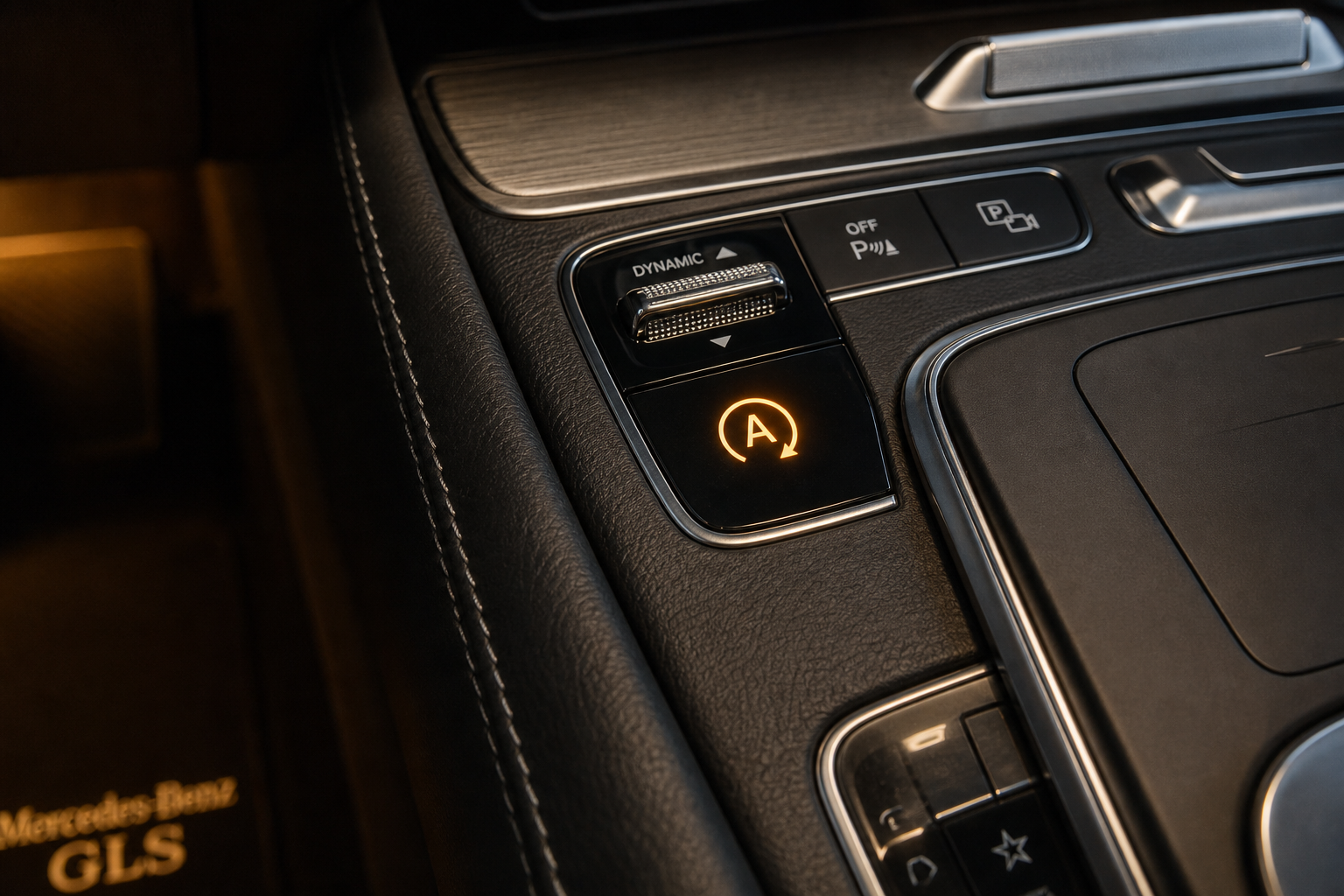
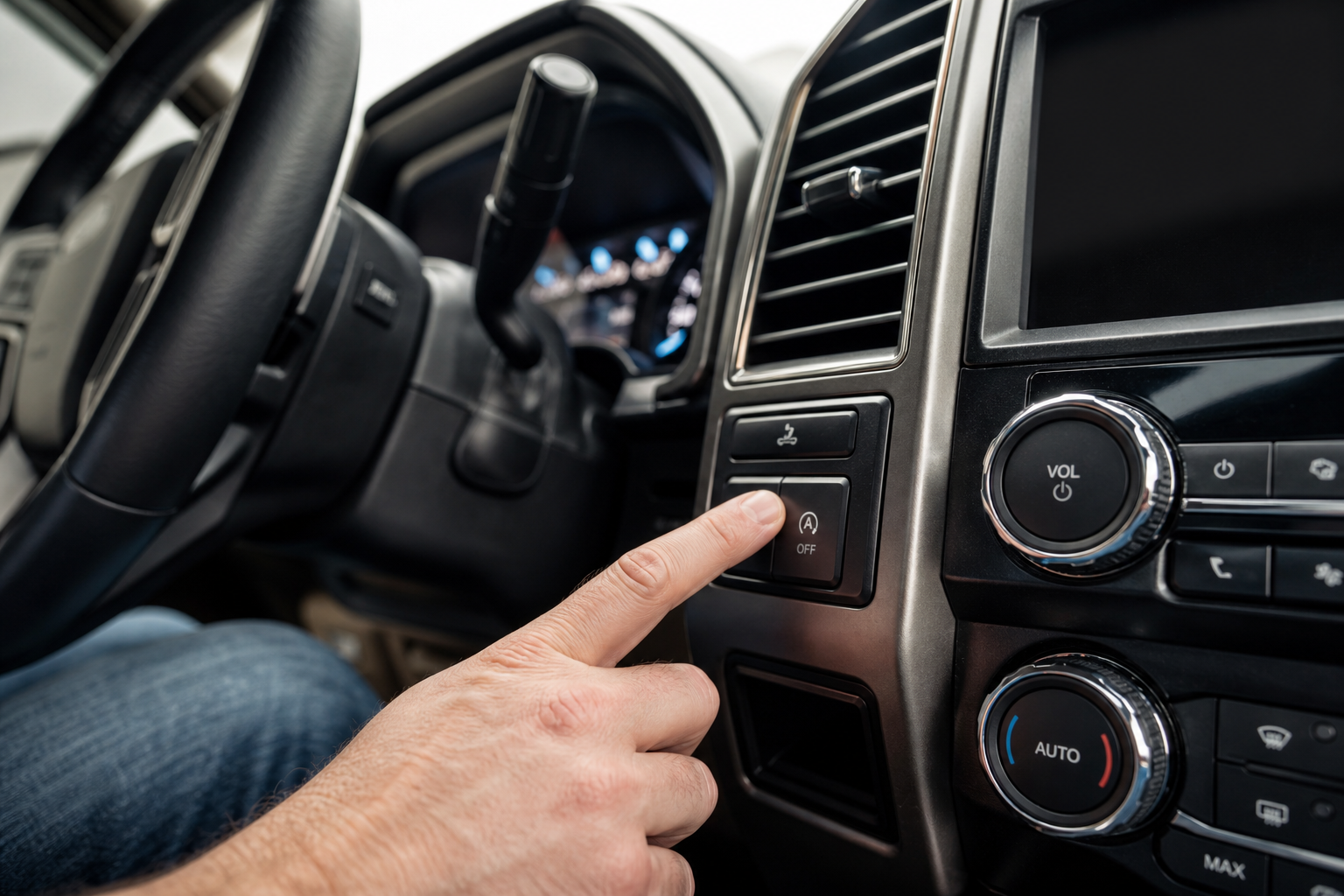
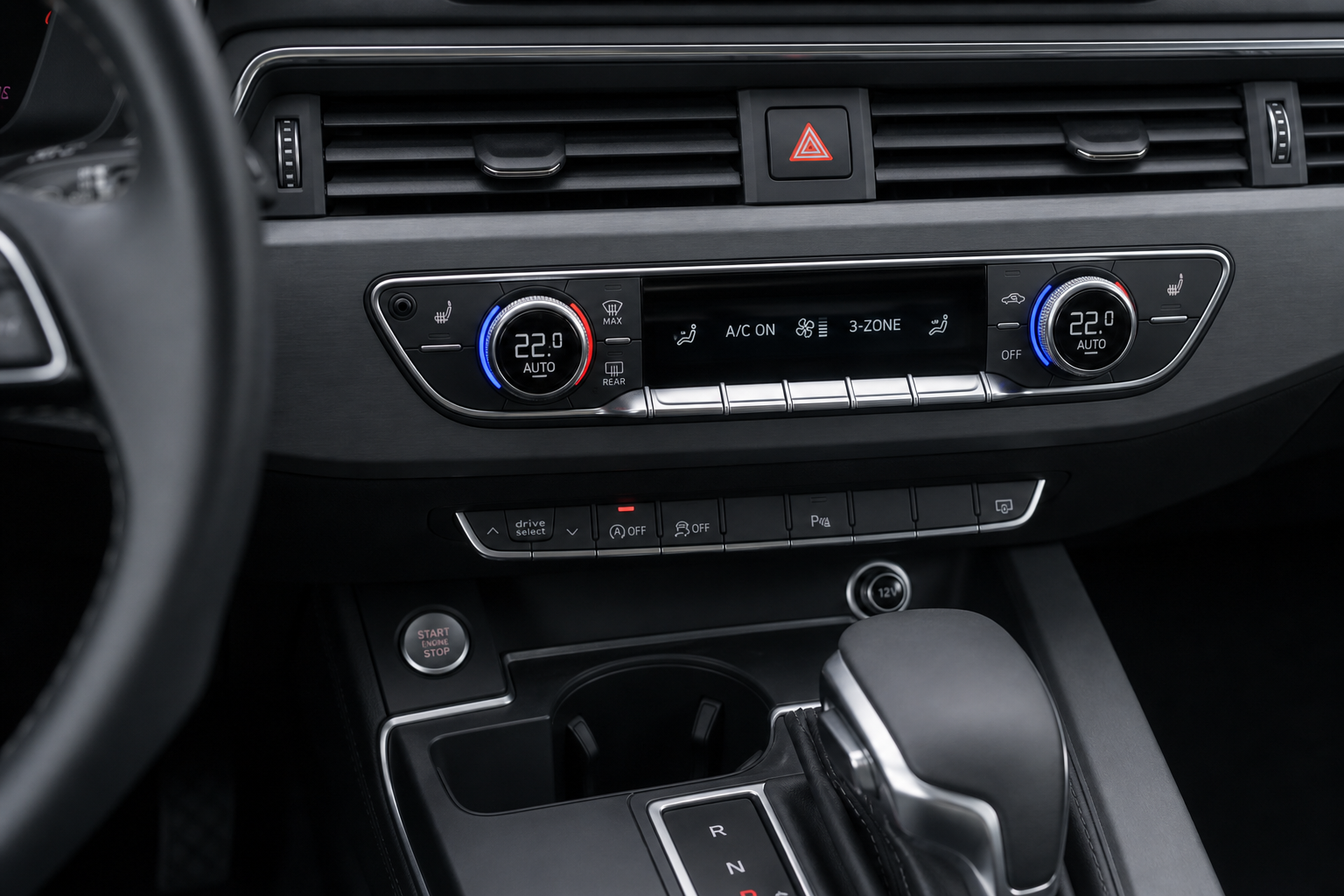
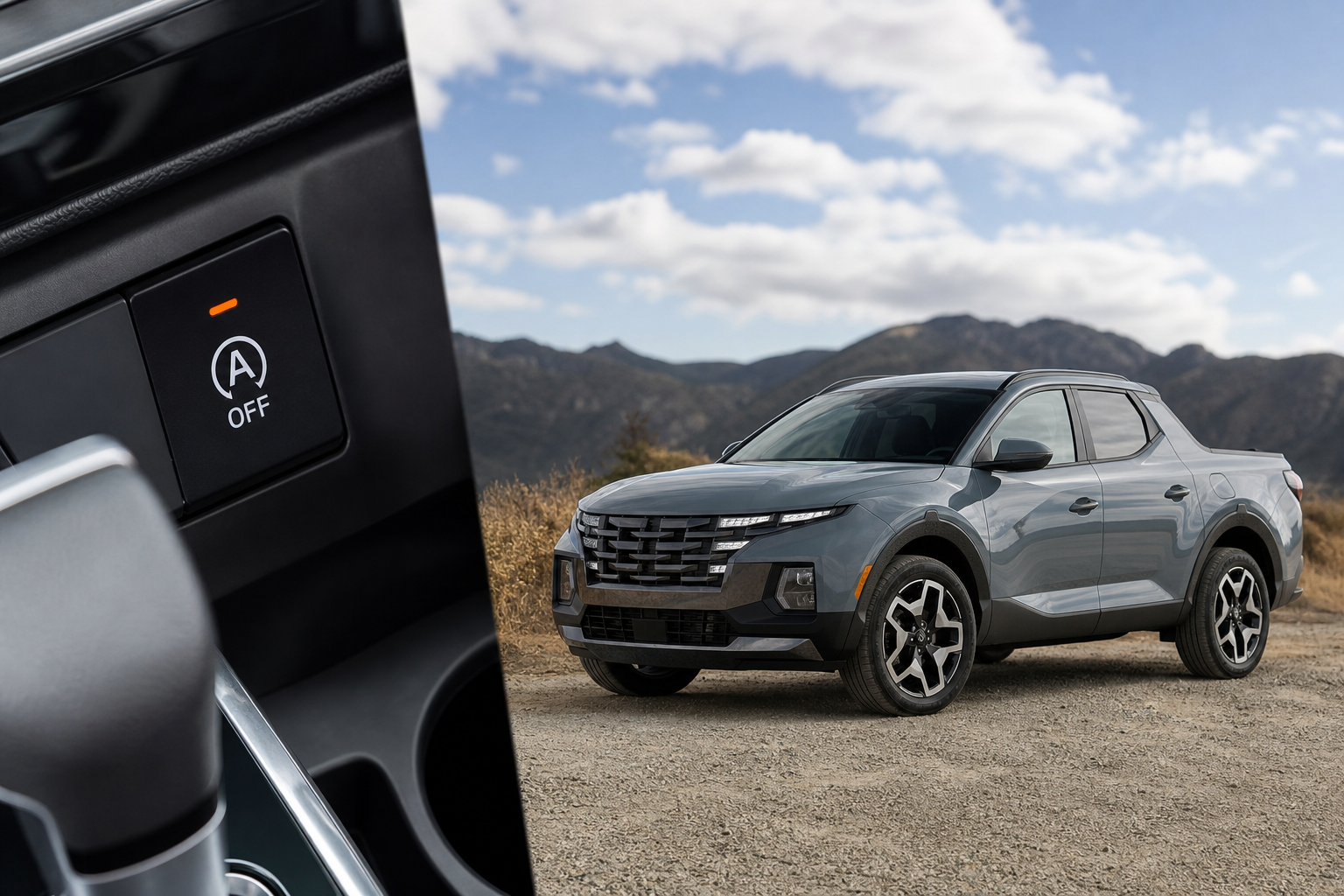
Every GLS from the 2020 model year onward has a dedicated start/stop disable button located on the center console, typically to the right of the gear selector. It’s marked with a circle and an “A” with a line through it. Press it once after starting the engine and the system shuts off for that drive cycle.
The steps are simple:
- Start your GLS and let it complete its startup routine.
- Press the Auto Start/Stop Off button on the center console.
- A small indicator light confirms the system is now disabled.
- Repeat every single time you start the car.
That last step is the problem. Mercedes does not give you a way to save this preference through the MBUX infotainment system or any settings menu. It’s a deliberate design choice, partly tied to European emissions regulations that require the feature to be active by default. So no matter how many times you press that button, your GLS will ignore your preference the moment you restart.
If you’re already frustrated by the way modern vehicles handle feature defaults without giving drivers control, you’ll recognize this pattern. It’s similar to how some manufacturers handle other driver-assist features, though at least with systems like lane centering assist on other brands, you sometimes get a persistent memory option.
Why the Setting Always Resets
Mercedes programs the GLS to enable auto start/stop on every cold start because of fuel economy and emissions targets tied to WLTP and EPA certification cycles. The system is baked into the ECU startup sequence. There’s no software toggle buried in the MBUX menus, no hidden dealer setting, and no CANBUS coding option available to most owners that will permanently disable it.
Some GLS owners try using an OBD2 scanner to dig into module settings, but standard scan tools don’t reach the startup/stop logic in the EIS or powertrain control modules at the level needed to change this behavior. The only reliable solution that works without voiding your warranty or touching software is a plug-and-play eliminator module.
The Permanent Fix: Start/Stop Eliminator Module
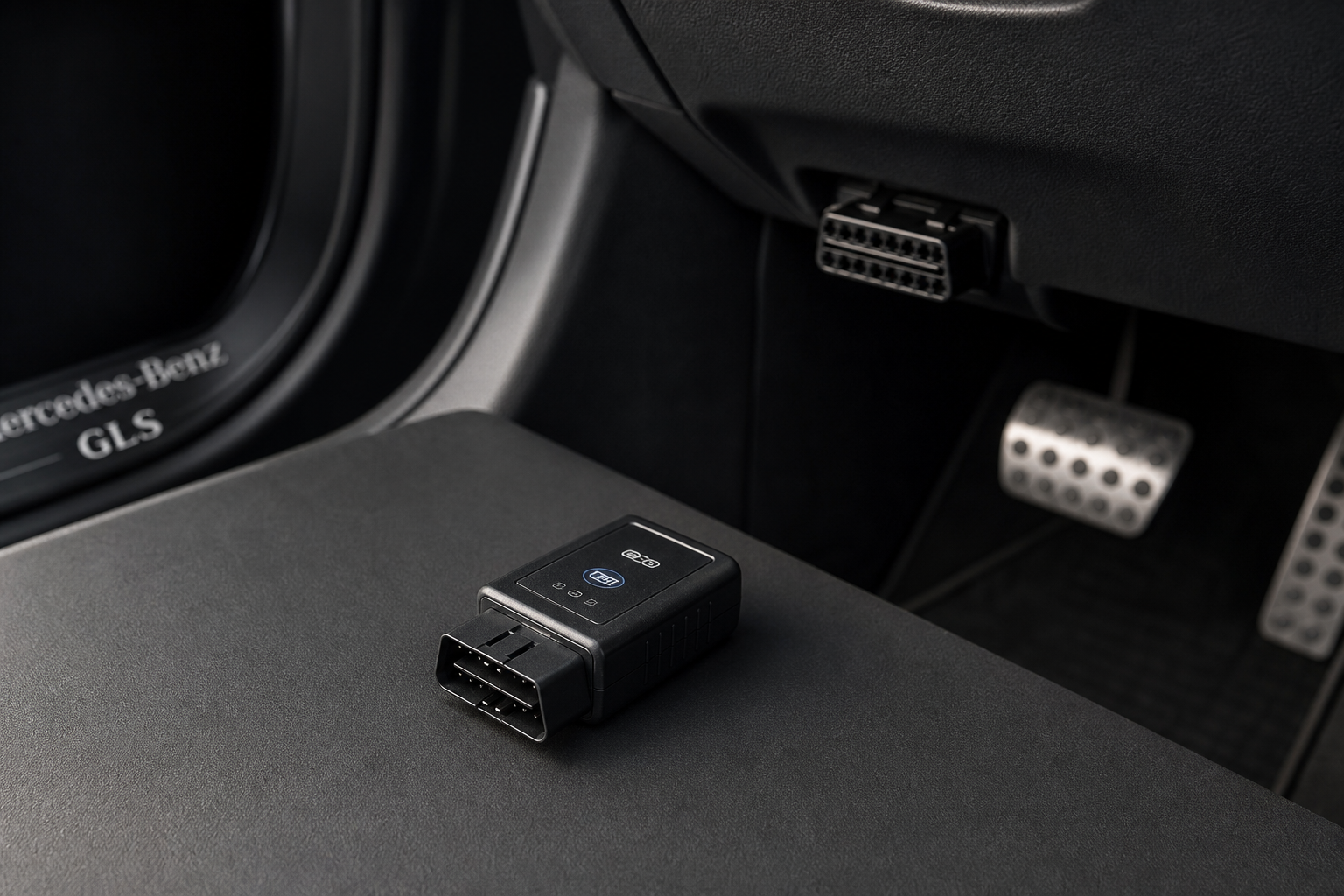
A start/stop eliminator is a small module that plugs directly into the OBD2 port or connects inline with the start/stop button circuit, depending on the design. When the GLS boots up, the module automatically sends the same signal as pressing the disable button, every single time, before you even touch the steering wheel.
There’s no programming required and no tools needed. You plug it in, and from that point forward, auto start/stop is disabled on every drive without you having to think about it.

Mercedes-Benz GLS Start Stop Eliminator
A plug-and-play module that automatically disables auto start/stop on every startup so you never have to press the button again.
When shopping for one, make sure the listing specifically mentions compatibility with your GLS model year. The 2020 and newer GLS (X167 platform) uses a different CANBUS architecture than the older X166 generation. Most reputable modules will list compatible chassis codes or model years clearly in the product description. If you’re not sure which platform your GLS is on, check your window sticker or look up the VIN, as the X167 generation started with the 2020 model year refresh.
Installation typically takes under five minutes. You plug the module into the OBD2 port under the dash on the driver’s side, or in some designs you tuck it behind the center console near the button harness. No cuts, no splices, no permanent changes. If you ever want to reverse it, you just unplug it.
For GLS owners who want a broader upgrade while they’re at it, pairing a start/stop eliminator with a throttle response controller can noticeably sharpen how the GLS feels off the line, especially after the engine has been sitting in traffic.

Mercedes Benz Auto Start Stop Canceller
A well-reviewed canceller designed for Mercedes models that plugs into the OBD2 port and works automatically on every drive cycle.
Frequently Asked Questions
Will a start/stop eliminator void my Mercedes-Benz warranty?
A plug-and-play module that doesn’t modify wiring or software is generally considered non-invasive, but it’s not something Mercedes will openly endorse. Under the Magnuson-Moss Warranty Act in the United States, a dealer would need to prove the device caused a specific problem before denying a warranty claim. Since the module is reversible and makes no permanent changes, most owners use them without issue. If you’re concerned, check with your dealer or remove the module before any service visits.
Does disabling auto start/stop actually save my engine from extra wear?
This is debated, but there’s a reasonable case for it. Every time auto start/stop cycles the engine off and on, it’s a cold start on the cylinder walls without full oil pressure. Mercedes does use a strengthened starter and a beefed-up battery system to handle the extra cycles, but over hundreds of thousands of stop/start events across the vehicle’s life, the cumulative effect on the starter motor, battery, and engine internals is real. Drivers who notice vibration or roughness at idle on similar vehicles often trace part of it back to the start/stop system cycling repeatedly in traffic.
This article contains affiliate links. We may earn a small commission at no extra cost to you.
Leave a Reply