
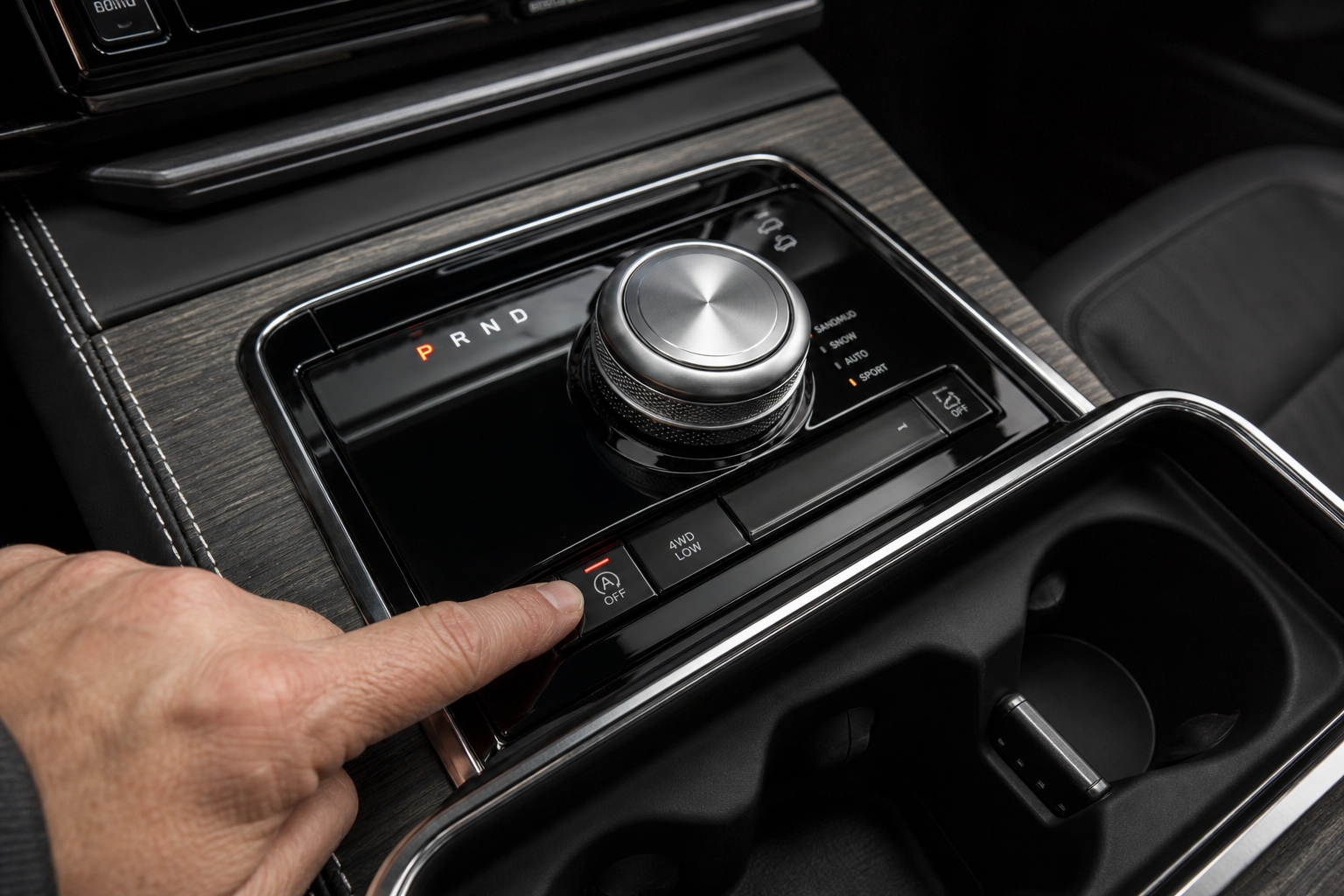
If you own a Jeep Wagoneer, there’s a good chance the auto start/stop system is already getting on your nerves. Every time you roll to a red light, the engine cuts off. Every time you tap the gas, it restarts with a small shudder. For some drivers it’s a minor annoyance. For others, especially those doing frequent city driving or towing, it feels like a constant interruption. The system exists to save fuel and reduce emissions, but a lot of Wagoneer owners simply don’t want it running their driving experience.
The real frustration isn’t just that the system exists. It’s that even when you turn it off, it resets itself every single time you start the engine. This guide covers exactly how to disable it, why it keeps coming back, and how to make the change permanent without touching the vehicle’s wiring or voiding your warranty.
What Is the Auto Start/Stop System and Why Does the Wagoneer Have It?
The Engine Stop/Start system, often called ESS, automatically shuts off the engine when the vehicle comes to a complete stop and certain conditions are met. When you release the brake, it restarts within a fraction of a second. Jeep installs it across the Wagoneer and Grand Wagoneer lineup primarily to meet federal fuel economy and emissions standards.
The system does technically improve fuel economy in stop-and-go traffic, but the real-world gains on a large SUV like the Wagoneer are modest. What you get in return is a noticeable restart vibration, added wear cycles on the starter motor and battery, and a driving feel that many owners describe as unnatural. If you’ve ever driven a Wagoneer and noticed it felt slightly rough re-engaging from a stop, the ESS system is usually the reason.
If you’ve experienced similar vibration-related annoyances in other vehicles, you might find our article on how to fix Acura MDX vibration at idle in drive useful reading, since some of the mechanical causes overlap.
Using the Factory Button to Turn Off Auto Start/Stop
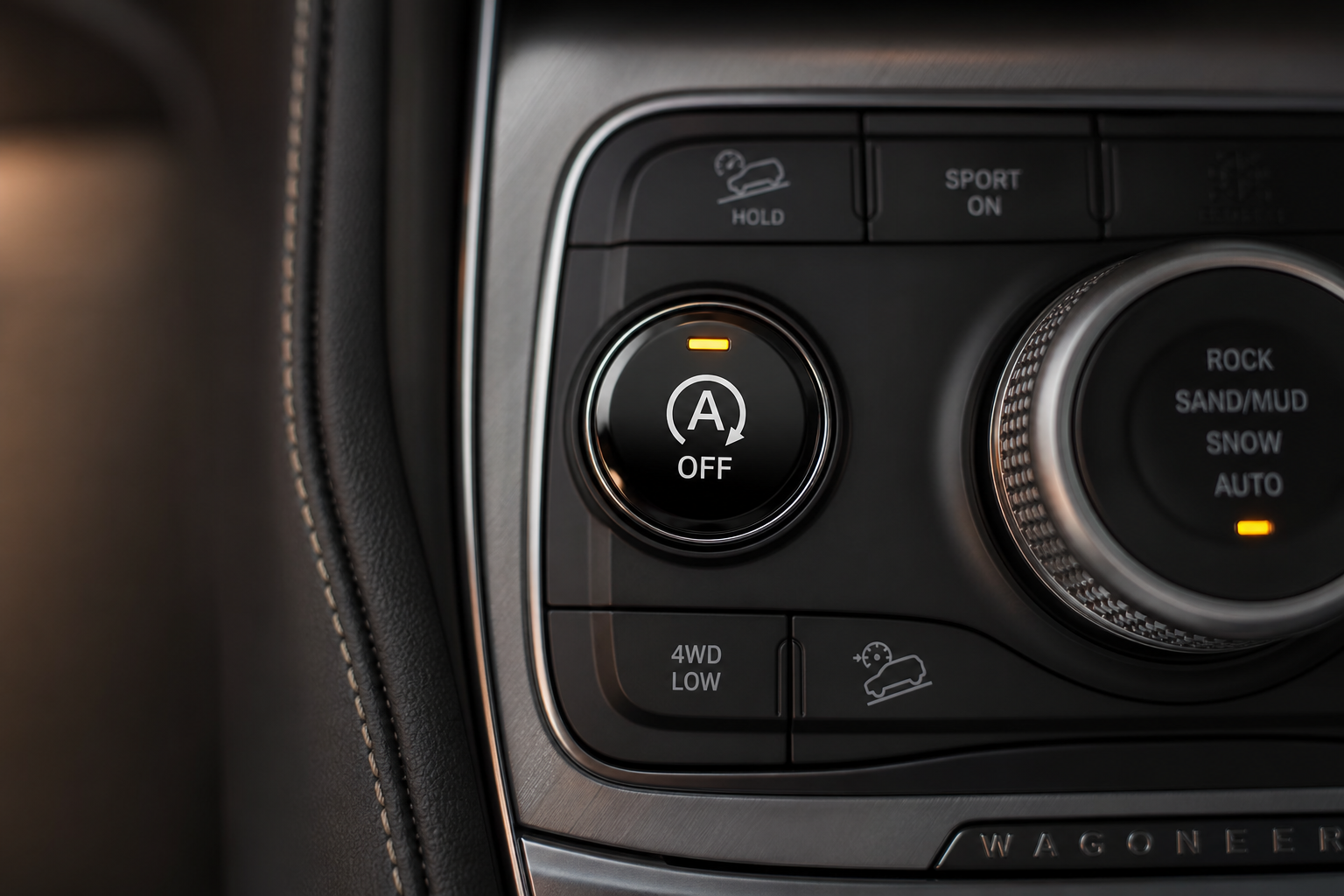
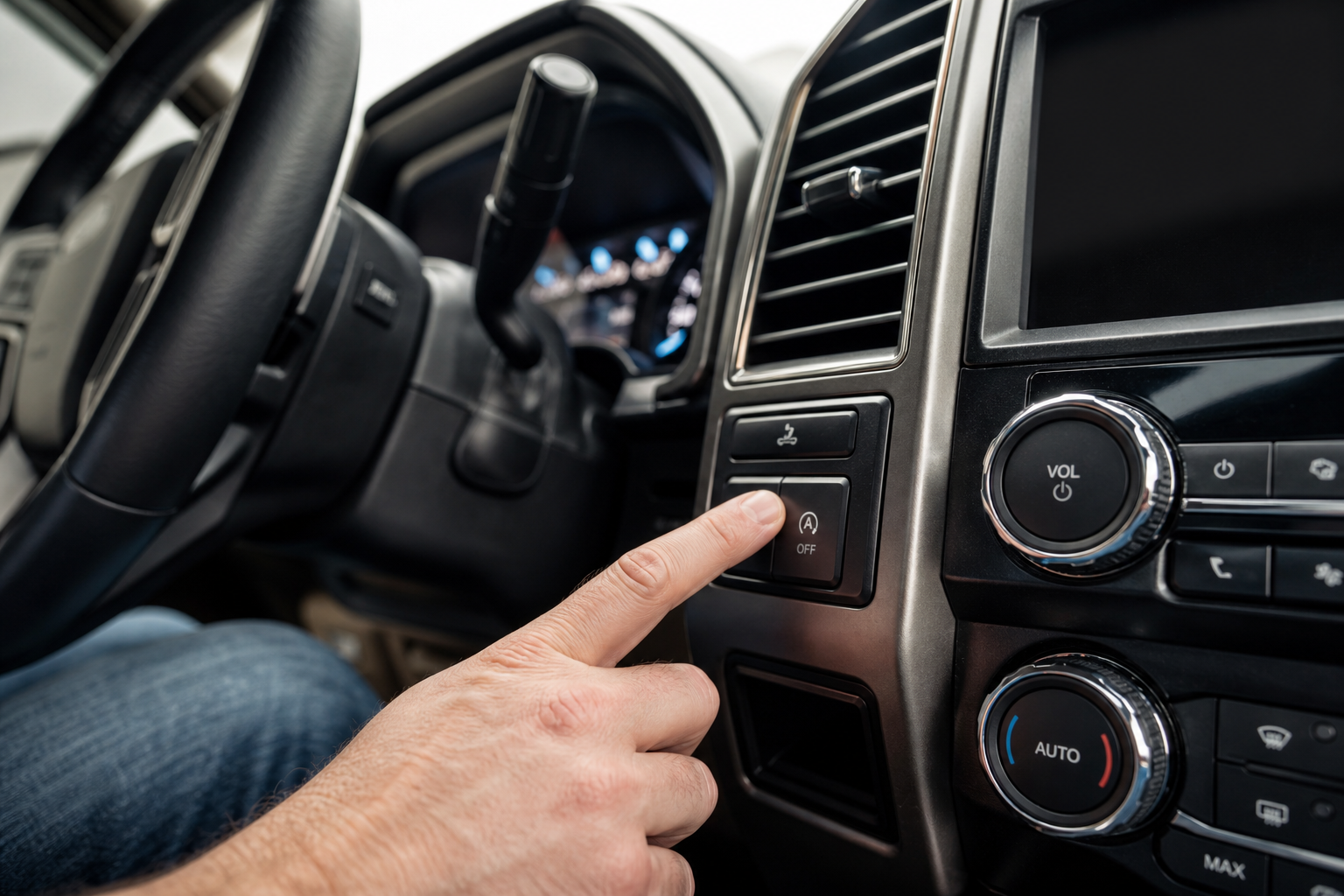
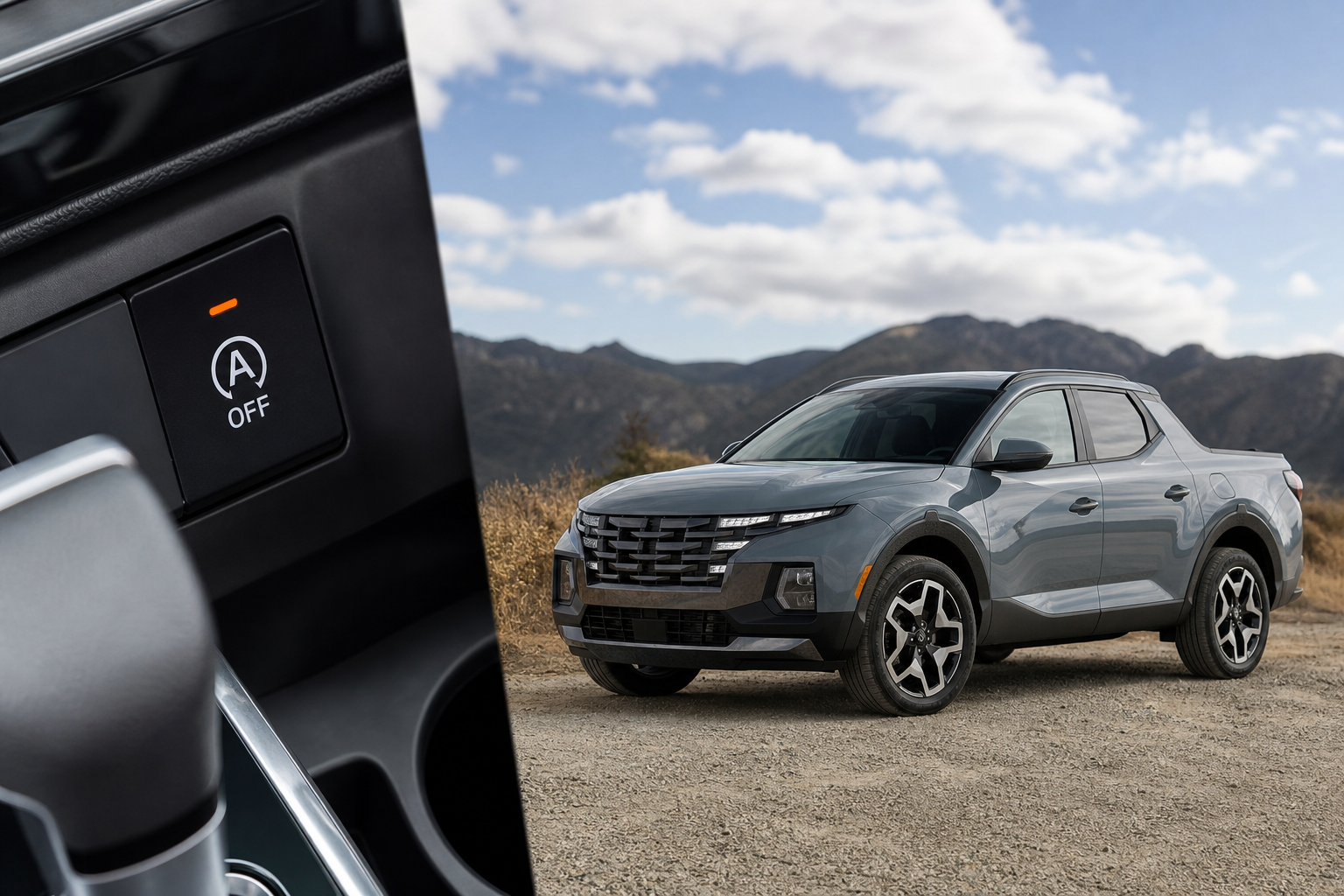
The Jeep Wagoneer has a dedicated ESS disable button on the center console. It looks like a circle with an arrow wrapping around it and the letter “A” in the center. Here’s how to use it:
- Start the vehicle and let it fully wake up.
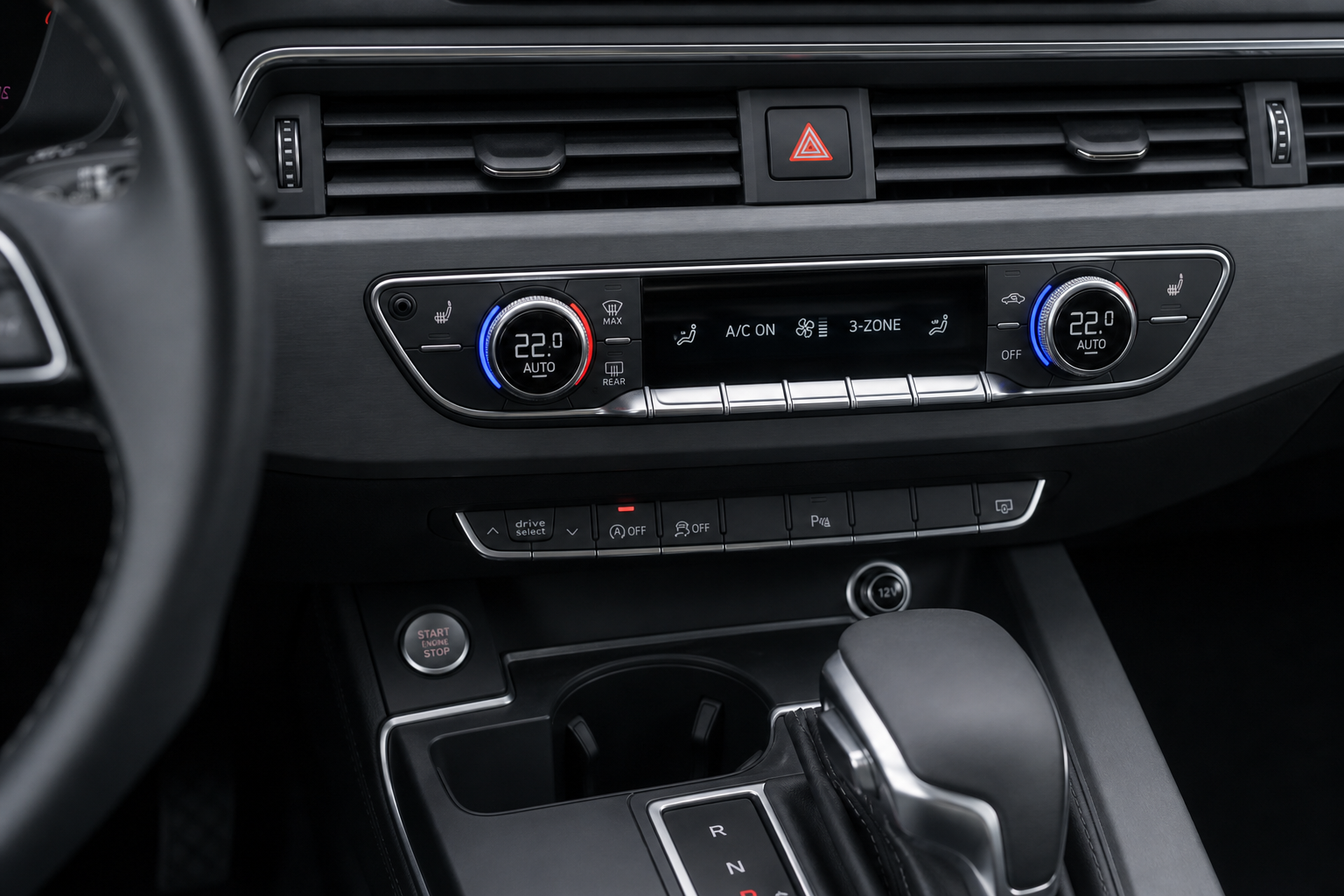
- Locate the ESS button near the gear selector or on the lower center console cluster.
- Press the button once. A light on the button will turn off or you’ll see a notification on the driver information display confirming the system is paused.
- Drive normally. The system will not activate during this drive cycle.
This works fine for a single drive. The problem is that the Wagoneer’s software is programmed to re-enable ESS every time you turn the ignition off and back on. Stellantis designed it this way intentionally so the vehicle returns to its default fuel-saving state after each key cycle. There is no setting in the Uconnect 5 infotainment system that allows you to permanently save your ESS preference across restarts, at least not from the factory.
On 2022, 2023, and 2024 Jeep Wagoneer and Grand Wagoneer models, this behavior is consistent. There have been no over-the-air updates that change the default restart state for ESS as of this writing.
Why You Can’t Permanently Disable It Through the Software Alone
Some owners ask about using an OBD2 scanner or dealer-level diagnostic tool to write a new default preference into the vehicle’s ECU. While some professional tools like Stellantis’ own wiTech software can technically modify certain ESS parameters, this is not something most owners can do at home, and any dealer-performed modification may affect your powertrain warranty coverage.
There’s also no reliable third-party app or Uconnect hack that permanently changes the ESS default state on the Wagoneer. The setting is stored at the module level and resets with each key cycle by design. Trying to work around it at the software level without proper tooling creates more problems than it solves.
The Plug-and-Play Eliminator Module: The Better Solution
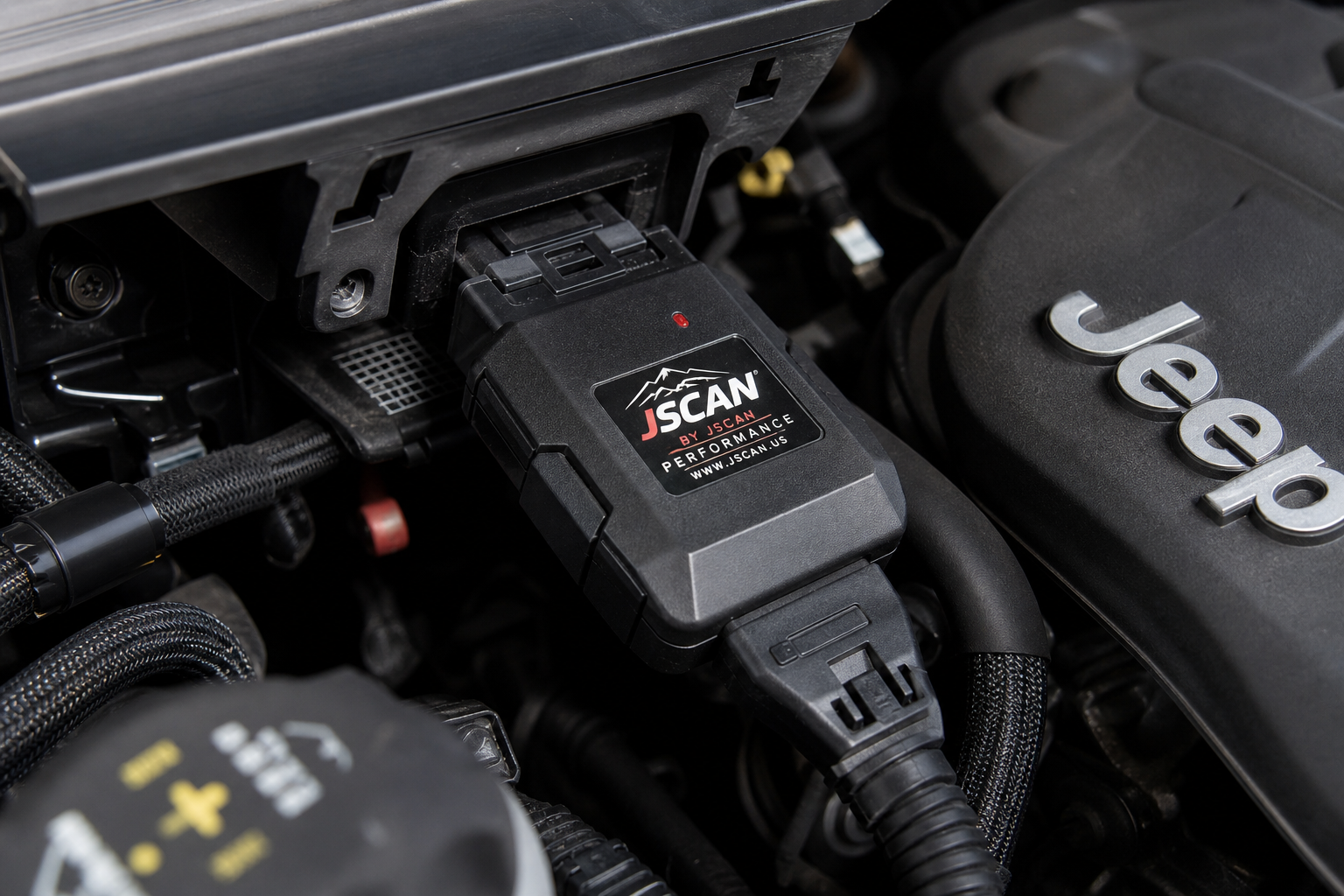
The cleanest fix for most Wagoneer owners is a dedicated ESS eliminator module. These are small plug-and-play devices that connect to an existing connector near the ESS button or in the vehicle’s wiring harness. They intercept the signal and automatically press the disable button for you every time the vehicle starts, without you having to do anything.
You don’t cut any wires. You don’t modify the ECU. The module plugs into the same connector the factory button uses, and it does nothing more than simulate a button press after ignition. If you ever want to restore the factory behavior, you just unplug the module. It’s that clean.

Jeep Wagoneer ESS Stop/Start Eliminator Module
A plug-and-play eliminator that automatically disables the start/stop system on every drive without cutting wires or modifying the ECU.
These modules are made specifically for FCA/Stellantis vehicles and are designed to work with the Wagoneer’s CAN bus communication system. Make sure you buy one that lists compatibility with your specific model year and trim, as connector locations can vary slightly between the base Wagoneer and the Grand Wagoneer.
Installation typically takes under 15 minutes. Most kits include a connector that taps into a port behind the center console trim panel, which pops off with a trim tool and doesn’t require any permanent disassembly.
Installation Overview: What to Expect
Here’s a general walkthrough of what the installation process looks like on a 2022 to 2024 Wagoneer:
- Turn the vehicle off and make sure the ignition is fully shut down before touching any connectors.
- Locate the ESS button assembly on the center console. On most Wagoneer trims, this is part of the lower console cluster near the gear selector.
- Remove the trim panel around the button cluster. Use a plastic trim removal tool to avoid scratching the surround. The panel is usually held by clips, not screws.
- Unplug the factory connector from the ESS button.
- Plug the eliminator module in-line between the factory connector and the button. The module connects at both ends.
- Tuck the module behind the panel and reinstall the trim.
- Start the vehicle and verify the ESS indicator shows as disabled without pressing anything.
If you’ve done any minor interior work before, like installing a magnetic phone mount that requires trim removal, this job is in the same difficulty range. No special tools beyond a trim clip removal set are needed.

Plastic Trim Removal Tool Set
An affordable set of non-marring pry tools that makes removing interior panels without scratching the finish much easier.
Model Year Notes
2022 Jeep Wagoneer and Grand Wagoneer: First model year for this generation. ESS is present on all trims and resets with every ignition cycle. Eliminator modules are widely available for this year.
2023 Jeep Wagoneer: No significant ESS changes from 2022. Same reset behavior applies. Compatible with the same eliminator modules.
2024 Jeep Wagoneer: Wagoneer S (EV variant) does not have an ESS system since it’s a battery-electric vehicle. The standard 2024 Wagoneer with the 3.0-liter Hurricane twin-turbo six-cylinder retains the ESS system with the same factory reset behavior.
If you’re unsure which engine your Wagoneer has, check the window sticker or the vehicle info screen in Uconnect. The ESS eliminator approach applies to all combustion-engine variants.
Frequently Asked Questions
Will disabling the ESS system hurt my engine or void my warranty?
Simply pressing the factory button to disable ESS will not affect your warranty in any way. Using a plug-and-play eliminator module is also generally considered safe from a warranty standpoint since it doesn’t modify the vehicle’s wiring or software. However, if a dealer notices a third-party module installed and a warranty claim is related to the ESS or starter system, it’s worth being aware of that context. Many Jeep owners use these modules without any issues.
Does the start/stop system actually damage the starter motor over time?
Modern vehicles with ESS use reinforced starter motors and AGM batteries designed for higher cycle counts than a conventional setup. The Wagoneer’s starter is engineered for this. That said, more cycles do mean more cumulative wear, and some mechanics have noted that ESS-equipped vehicles can show starter wear earlier than non-ESS counterparts under high-cycle use patterns like heavy city driving.
Can I disable ESS through the Jeep app or Uconnect 5?
No. As of current software versions, neither the Jeep app nor the Uconnect 5 infotainment system on the Wagoneer includes a setting to permanently disable ESS across ignition cycles. The only in-vehicle option is the physical button, which resets every drive. If that changes with a future over-the-air update, Jeep will likely announce it through the Uconnect update notes.
If you enjoy customizing how your vehicle behaves and want to explore other driver-focused features on modern SUVs, check out our guide on how to use Jeep’s Selec-Terrain traction management system on the Grand Cherokee, which covers another deep-dive feature that many Jeep owners never fully explore.
You might also find it helpful to keep your maintenance records in order while you’re modifying how your Wagoneer operates. For reference on similar maintenance resets across the Stellantis and GM family, our GMC Sierra oil light reset guide covers a process that applies to many overlapping vehicle platforms.
This article contains affiliate links. We may earn a small commission at no extra cost to you.
Leave a Reply