
If you own a Kia Sportage built in the last several years, you already know the frustration. You press the auto start/stop button to turn that system off, enjoy a few minutes of normal engine behavior, and then you start the car again the next morning and the whole thing resets. The feature is back on, ready to kill your engine at every red light. It happens every single time, and after a while it stops feeling like a convenience feature and starts feeling like something that was designed to annoy you.
You’re not alone in this. Disabling auto start/stop permanently on the Kia Sportage is one of the most searched topics among Sportage owners, and for good reason. This guide walks you through every option available, from the factory button to the plug-and-play module that actually solves the problem for good.
What the Dashboard Button Does (and Why It’s Not Enough)
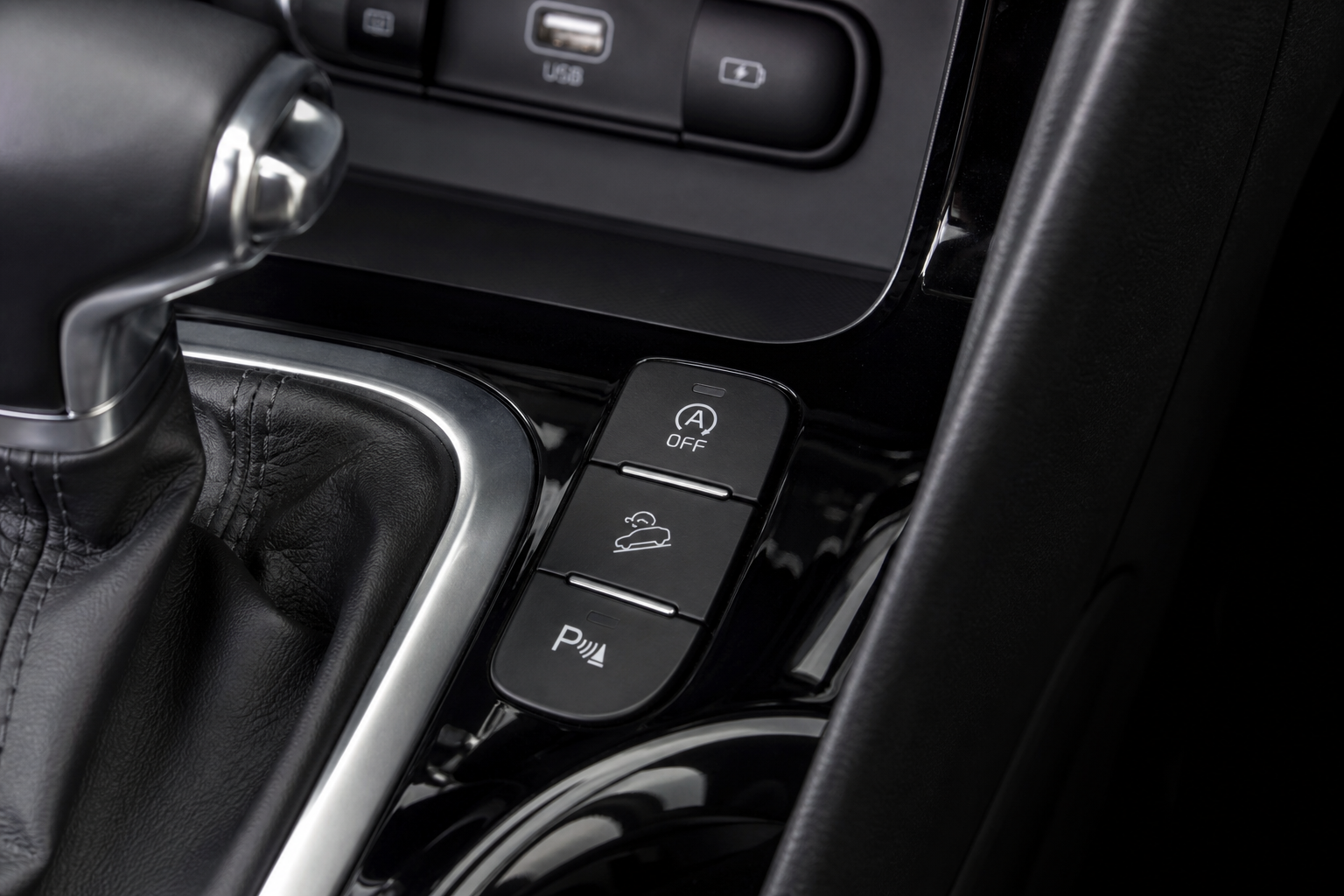
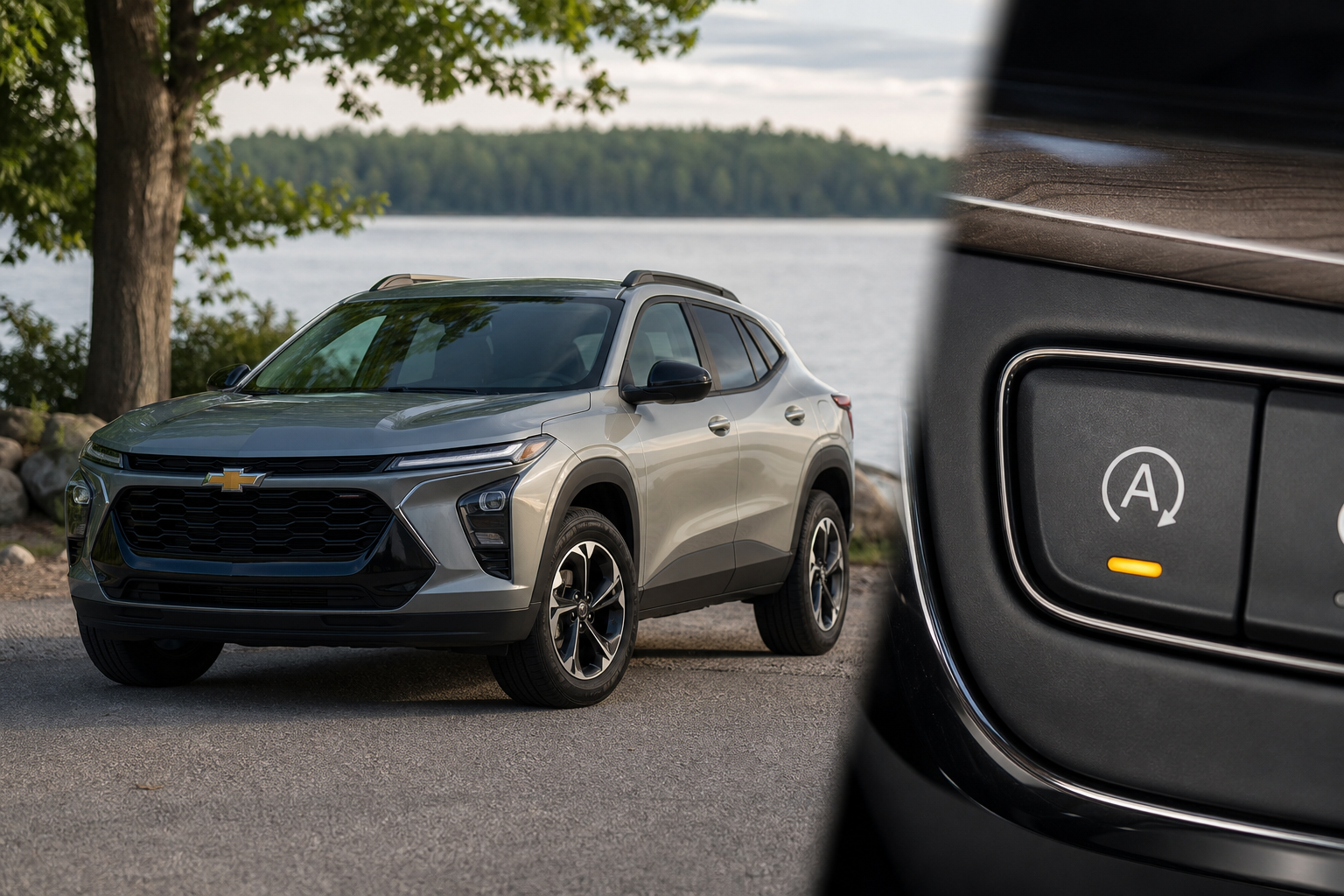
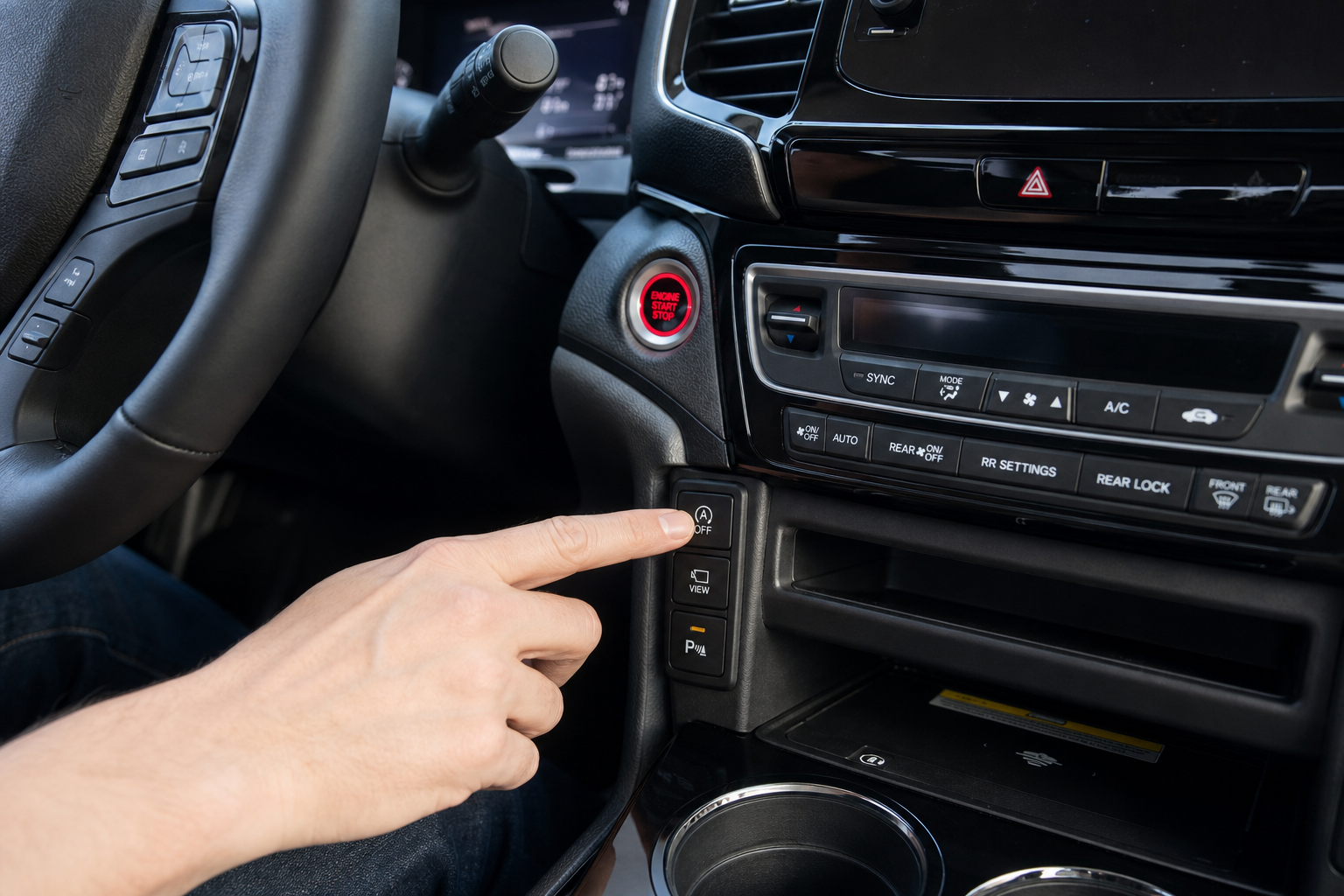
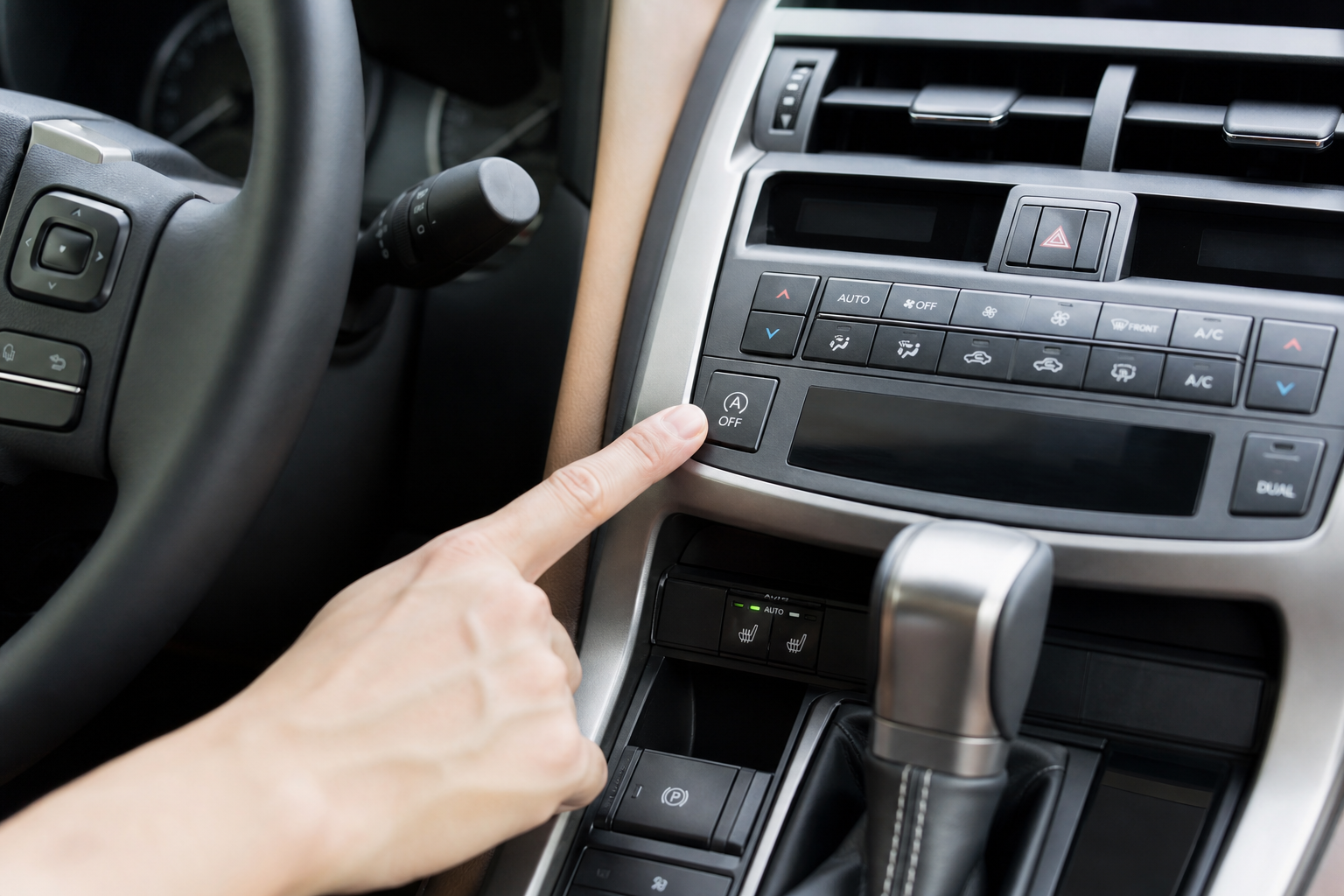
Every Kia Sportage with the Idle Stop and Go (ISG) system has a physical button on the center console, usually labeled with an “A” inside a circular arrow. Pressing it once disables the system for that drive cycle. You’ll see a light illuminate on the button confirming it’s off.
The catch is that this setting does not save between ignition cycles. Every time you turn the car off and back on, the ISG system defaults back to active. Kia designed it this way to meet average fuel economy and emissions targets across the vehicle fleet. Your preference as the driver wasn’t the priority when they made that call.
So pressing the button every single time you start the car is technically the “official” way to disable it. If you drive the same car multiple times a day, that adds up fast. Most owners find it irritating enough to look for a better solution within the first few weeks.
Which Kia Sportage Models Have Auto Start/Stop
The ISG system was introduced on the Kia Sportage starting with the fourth generation, which covers 2017 through 2021 model years in the U.S. The fifth generation, which launched for 2022, also includes it across most trim levels.
Here’s a quick breakdown by generation:
- 2017-2021 (4th Gen): ISG is present on most trims. Some base trims in certain markets omitted it, but the majority of U.S. models have it.
- 2022-present (5th Gen): ISG is standard across trims, including the hybrid and plug-in hybrid variants, though those versions manage it differently through the hybrid system.
- Pre-2017 models: No ISG system. Nothing to disable.
If you drive the PHEV or HEV version of the fifth-gen Sportage, the stop/start behavior is controlled by the hybrid management system and the eliminator module approach discussed below may not apply in the same way. Verify compatibility before purchasing any module for hybrid variants.
The Permanent Fix: ISG Eliminator Module
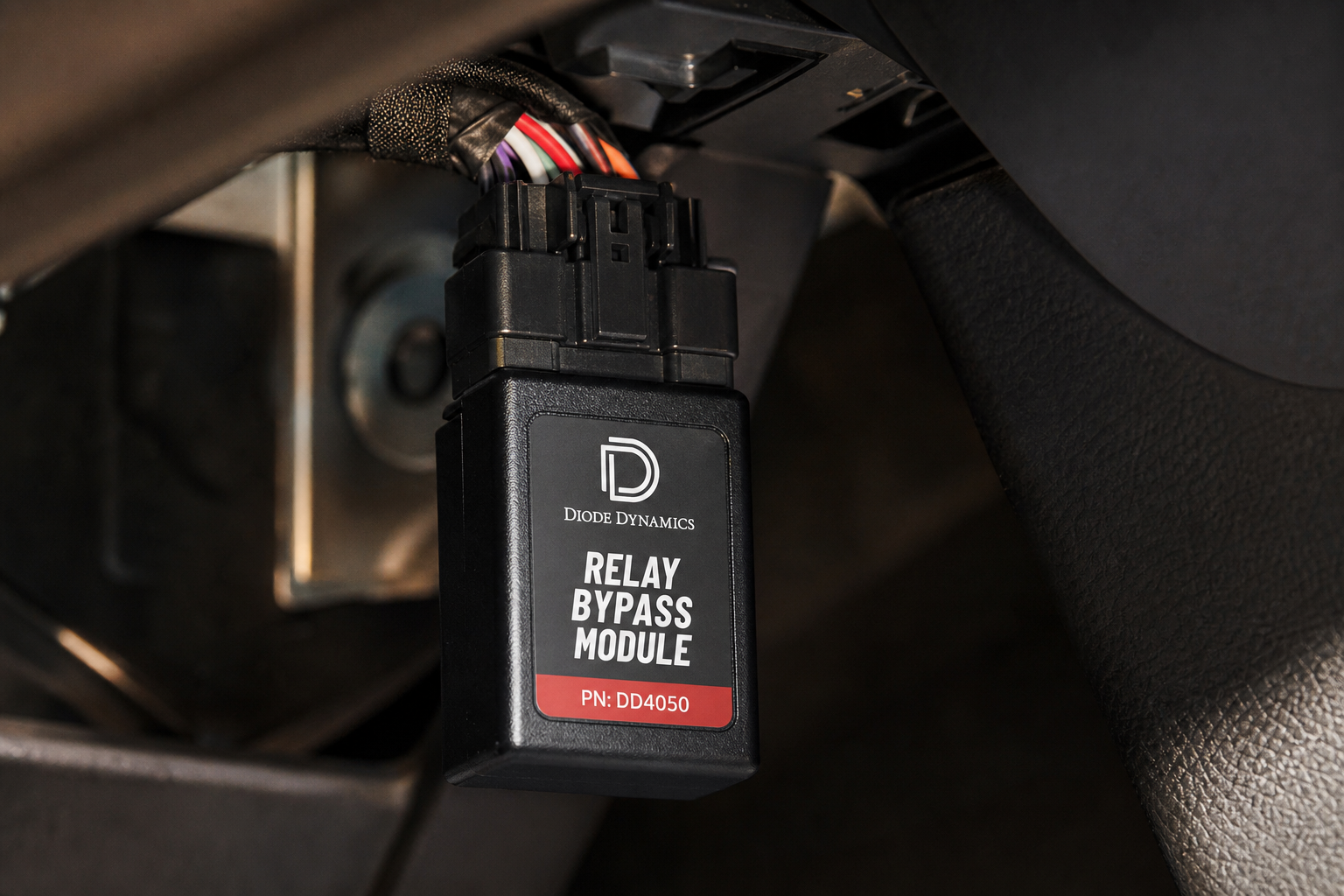
The most reliable way to permanently disable auto start/stop on the Kia Sportage is a plug-and-play ISG eliminator module. These small devices tap into the ISG button circuit and automatically send the disable signal every time the car starts, so it’s as if you pressed the button yourself before you even put the car in drive.
You don’t need any coding, dealer visits, or OBD2 programming. The installation takes about five to fifteen minutes and requires no tools beyond maybe a panel pry tool to access the connector behind the dashboard trim near the button cluster.
How It Works
The module plugs into the existing wiring harness at the ISG button location. When the car powers on, the module mimics the button press signal and disables the system automatically. From the car’s perspective, you pressed the button. You never have to think about it again.
The ISG system remains fully intact. You haven’t deleted any software or modified anything permanently. If you ever want to sell the car or return it to stock, you just unplug the module and the system goes back to factory behavior.
What to Look for When Buying One
Make sure the module is listed as compatible with your specific Sportage generation and model year. A module built for the fourth-gen Sportage won’t necessarily plug into the fifth-gen connector correctly. Look for sellers who list compatibility by year range and confirm the connector type matches your car.
Most reputable modules on Amazon are sold under brand names like EOSST, Auto ISG, or similar. Search for Kia Sportage ISG eliminator to see current options sorted by compatibility and customer reviews.

Kia Sportage ISG Eliminator Module
A plug-and-play module that automatically disables auto start/stop every time you start your Sportage, with no tools or coding required.
Customer reviews are your best filter here. Look for buyers who specifically mention your model year in their review. If multiple people confirm it worked on a 2022 Sportage, for example, that’s more useful than a general product description.
Step-by-Step Installation Guide
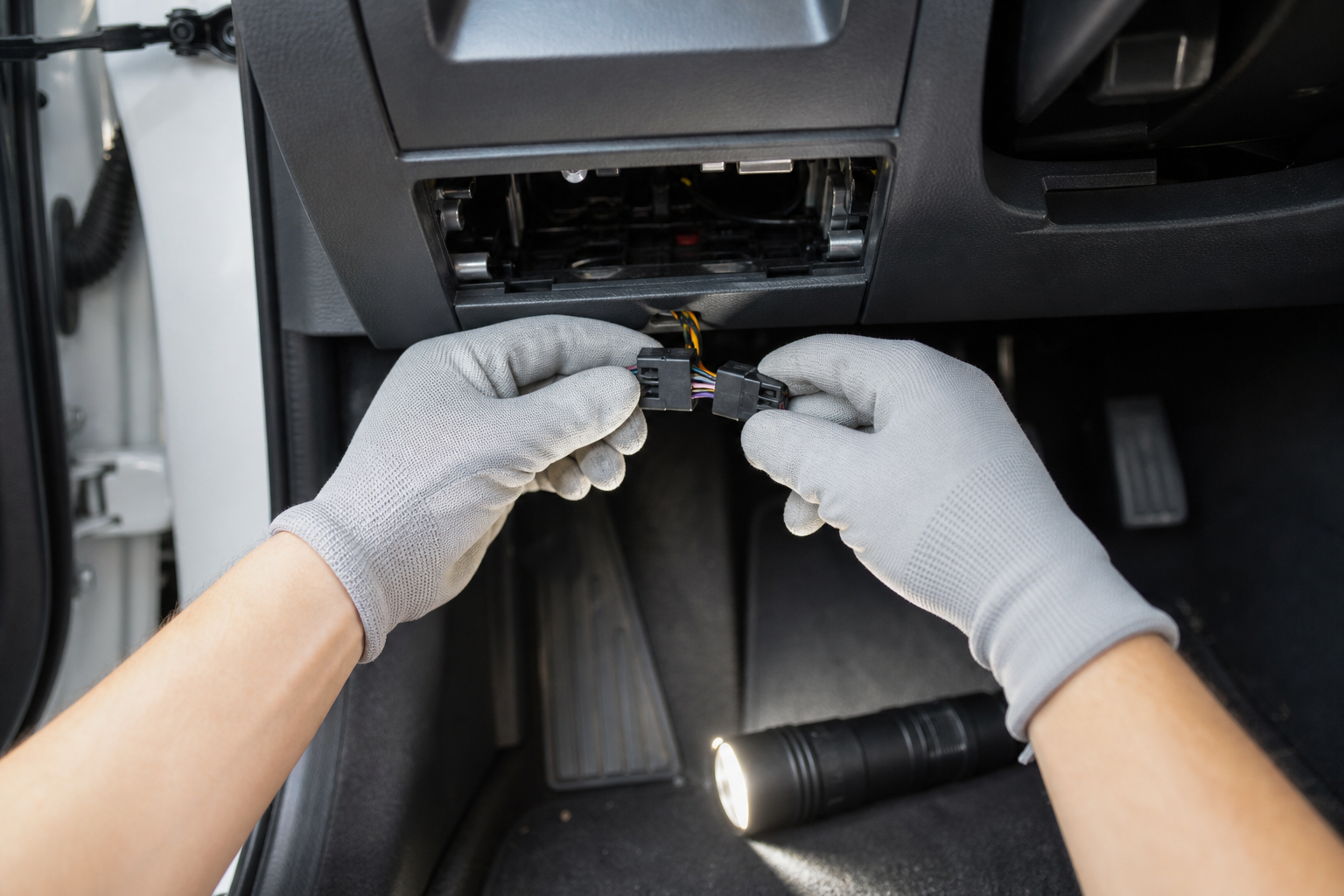
The exact steps vary slightly by generation, but the general process is the same across most fourth and fifth-gen Sportage models.
- Turn off the ignition completely and let the car sit for a minute before touching any wiring.
- Locate the ISG button on the center console. It’s typically in the cluster of buttons near the gear selector or to the left of the infotainment screen.
- Use a panel pry tool to carefully remove the button trim panel. Most Sportage button panels clip in and come out without screws. Work around the edges slowly to avoid cracking the trim.
- Disconnect the wiring harness from the back of the ISG button. You’ll see a small clip connector. Press the release tab and pull it free.
- Plug the ISG eliminator module inline between the harness and the button. One end plugs into the car’s harness, the other end goes to the original button connector.
- Tuck the module behind the trim panel and snap the panel back into place.
- Start the car and confirm the ISG light is illuminated on the button, indicating the system is off.
That’s the full process for most installations. If your trim panel has additional screws or clips, your owner’s manual or a quick YouTube search for your specific year will show you the layout. While you have things apart, it’s a good time to check that your wiring looks clean and undamaged in that area.
If you’re the type who likes keeping an eye on vehicle health, pairing this kind of DIY work with one of the best OBD2 scanners for DIY repair is smart practice. You can quickly confirm no fault codes were triggered after reinstalling the panel and reconnecting the harness.
Does Disabling ISG Hurt Your Engine?
This is one of the most common concerns, and the answer is that disabling ISG is generally better for your engine in real-world driving conditions, not worse. Auto start/stop systems put extra wear on your starter motor and engine bearings because they’re cycling the engine far more frequently than a normal drive would require.
Kia does use a reinforced starter on ISG-equipped models, but more frequent cycling still adds up over time. Some owners of vehicles with frequent stop/start activity have also reported idle vibration concerns similar to what’s discussed in this article about Acura MDX vibration at idle, where repeated restart cycles contribute to drivetrain stress over time.
Turning the system off doesn’t trigger any warning lights or affect warranty coverage in any way, especially when using a plug-and-play module that leaves the underlying system intact.
Frequently Asked Questions
Will disabling ISG affect my Kia Sportage warranty?
Using the factory dashboard button to disable ISG has no warranty implications at all since it’s a built-in feature. Using a plug-and-play eliminator module is also generally fine because it doesn’t alter the vehicle’s software or permanently modify any hardware. However, if you have a concern, using the module during your ownership and removing it before any warranty service visit is a simple precaution.
Can a dealer permanently disable auto start/stop on the Kia Sportage through software?
Kia dealerships in the U.S. do not typically offer a software-based permanent disable for the ISG system. Some owners in other markets have reported that certain dealer diagnostic tools can adjust this setting, but this is not a standard service offered at U.S. Kia dealers. The eliminator module is the most practical and accessible solution for most owners.
My ISG button light doesn’t come on after installing the module. What should I check?
First, confirm the module is fully seated at both connector ends. A partial connection is the most common cause of this. Also check that you’re testing after a full ignition cycle, not just ACC power. If the light still doesn’t illuminate, verify the module is listed as compatible with your exact model year. An incompatible module may not communicate correctly with your car’s button circuit even if the connector physically fits.
The Bottom Line
Pressing the ISG button every single morning gets old fast. A plug-and-play eliminator module solves the problem permanently without any coding, dealer visits, or permanent modifications. Installation takes under fifteen minutes, the module is affordably priced, and your car goes back to factory behavior the moment you unplug it.
If you own a 2022 or newer Sportage and are also exploring other technology features on Kia and Hyundai vehicles, the setup process for Hyundai digital key activation covers similar connected-car features that are worth knowing about on newer platforms. And if you’re pairing your Kia with Android Auto, this guide on setting up wireless Android Auto on the Kia Telluride covers the process in detail and applies to many of the same infotainment systems found in the Sportage.

Kia Sportage Start Stop Eliminator
A well-reviewed auto start/stop canceller specifically designed for Kia Sportage models, with plug-and-play installation that requires no tools or programming.
This article contains affiliate links. We may earn a small commission at no extra cost to you.
Leave a Reply