
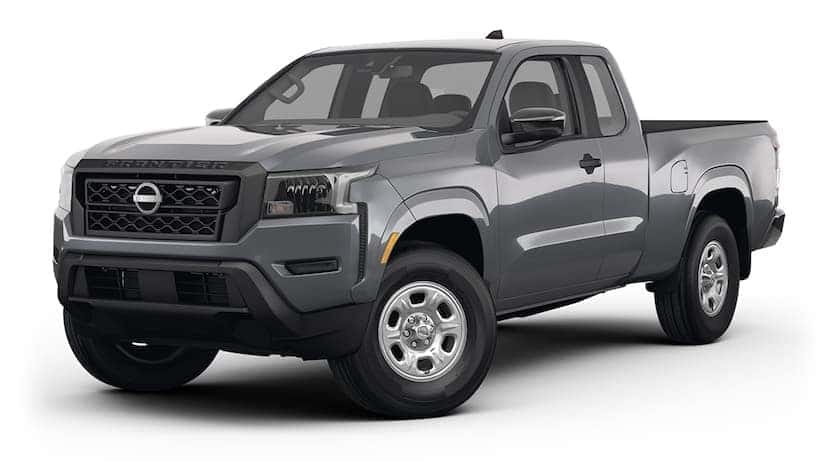
If you drive a Nissan Frontier with the auto start/stop feature, you already know the routine. You pull up to a red light, the engine cuts off, and the truck shudders back to life the moment you lift your foot off the brake. Every single time. It’s not dangerous, but it is annoying, and plenty of Frontier owners want it gone for good.
The Bottom Line
A plug-and-play module can make your Nissan Frontier remember your preference to keep Auto Start/Stop off, so you don’t have to press the button every time you start the vehicle.
There are two ways to deal with it. You can press the button on the dash every time you start the truck, which works but gets old fast. Or you can install a plug-and-play eliminator module that handles it automatically so you never think about it again. This guide covers both options, explains why the factory button doesn’t stick, and walks you through the permanent fix step by step.
Which Nissan Frontiers Have Auto Start/Stop?
The auto start/stop system (Nissan calls it Automatic Engine Stop/Start or ESS) was introduced on the fourth-generation Frontier. If your truck is a 2022 or newer model, you have it. The 2021 and older third-generation Frontiers did not include this feature, so if you’re driving one of those, you’re already in the clear.
The system works with the 3.8L V6 engine across all trim levels: S, SV, Pro-X, Pro-4X, and SL. It doesn’t matter if you have 4×2 or 4×4. If it’s a 2022+ Frontier, ESS is active by default every time you start the engine.
For general context on how Nissan’s vehicle systems can create unexpected quirks, our breakdown of Nissan Rogue CVT problems by model year shows how the brand’s engineering decisions can affect real-world ownership in ways the brochure never mentions.
Using the Factory Dashboard Button
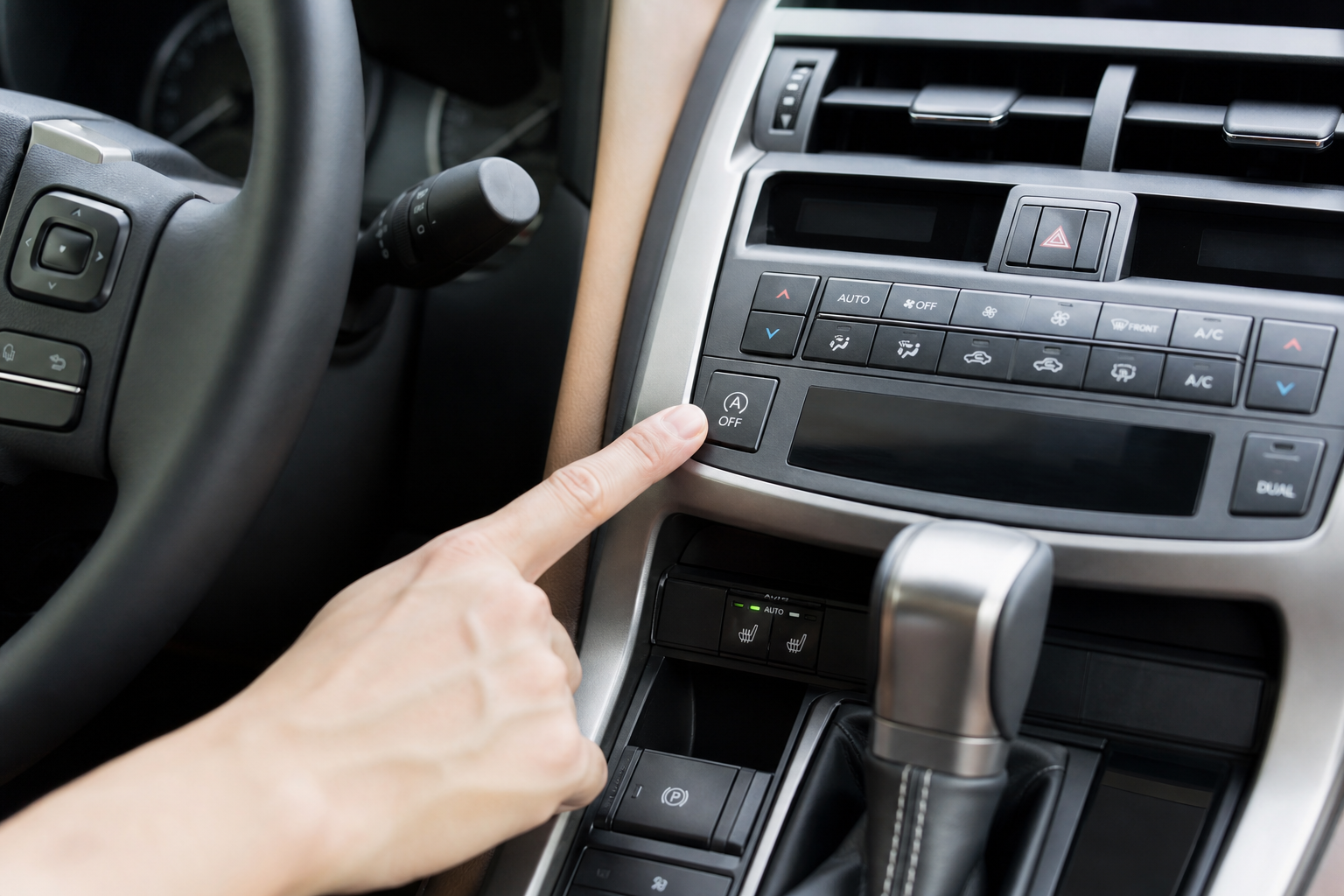
Every 2022+ Frontier has a dedicated button to disable ESS on demand. It’s located on the center console switch panel, usually near the traction control and 4WD buttons. The icon looks like an “A” with a circular arrow around it.
Here’s how to use it:
- Start the engine as normal.
- Press the ESS button once. A light on the button or a dash indicator will confirm it’s off.
- Drive as usual. The engine will no longer shut off at stops for the rest of that drive.
Simple enough. The problem is that the system resets itself every single time you turn the truck off and back on. Nissan engineered it this way intentionally because ESS is tied to EPA fuel economy ratings. The automaker has to demonstrate the system is active during standardized testing cycles, so they designed it to default back to “on” with every ignition cycle. Your preference isn’t saved anywhere in the ECU.
This means if you want it off, you’re pressing that button every morning, every time you stop for gas, and every time a passenger starts the truck. For a lot of owners, that’s reason enough to look for a better solution.
The Permanent Fix: Start/Stop Eliminator Module
A start/stop eliminator is a small plug-and-play device that taps into your vehicle’s OBD2 port or a dedicated harness connector and automatically sends the “off” signal to the ESS system every time the truck starts. You install it once and forget it. The engine never cuts off at stops again, and you never touch the dashboard button.
These modules don’t modify your ECU or require any programming. They simply mimic the button press electronically, faster than you’d do it manually. Because no permanent wiring changes are involved, the install is fully reversible.
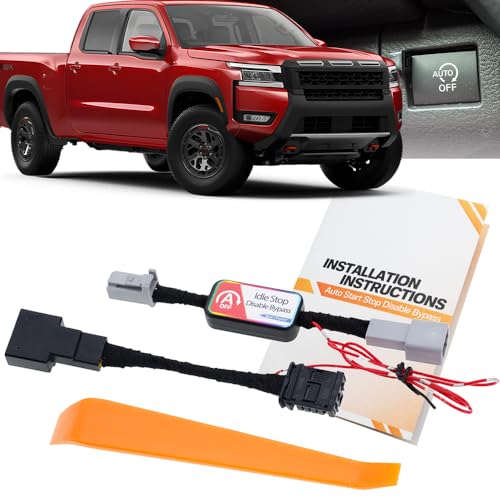
Nissan Frontier Start Stop Eliminator
A plug-and-play module designed specifically for the 2022+ Nissan Frontier that automatically disables ESS on every startup without any wiring or programming.
When shopping for one, make sure the listing specifically mentions compatibility with the 2022 or newer Nissan Frontier. Generic start/stop eliminators designed for Ford or GM vehicles won’t work here because the connector types and signal protocols are different. Frontier-specific units use the correct harness for the 3.8L V6 ESS system.
How to Install a Start/Stop Eliminator on the Nissan Frontier
The installation takes about five minutes and requires no tools. Here’s what the process looks like for most Frontier-compatible modules:
- Turn off the ignition and make sure the truck has been sitting for at least a minute.
- Locate the ESS button harness behind the dashboard switch panel. On most 2022+ Frontiers, you’ll need to gently pry off the center console switch panel trim using a plastic trim tool. The switches pop out without breaking anything.
- Unplug the factory connector from the back of the ESS button.
- Plug the eliminator module in-line between the factory connector and the button. It connects at both ends.
- Tuck the module behind the panel, replace the trim, and press it back into place.
- Start the truck and confirm the ESS indicator shows “off” automatically. You’re done.
Some modules plug directly into the OBD2 port under the dash instead of the button harness. Either style works. The harness-connected versions tend to be slightly cleaner since they don’t occupy your OBD2 port, which you might want free for a diagnostic scanner down the road.
If the ESS light doesn’t automatically illuminate after install, double-check that both connectors are fully seated. A half-connected plug is the most common install issue.

Plastic Trim Removal Tool Set
A basic trim panel removal kit makes the install clean and prevents any scratching on your interior panels.
Will This Void Your Warranty?
This is the question everyone asks. In the United States, the Magnuson-Moss Warranty Act protects consumers from having warranties voided simply because they added an aftermarket accessory. A dealership would need to prove that the eliminator module directly caused a specific failure before denying a warranty claim on that component.
That said, there’s a practical reality here. If you bring a truck in for a warranty repair and a technician notices the ESS module during inspection, some dealers will flag it. To avoid any friction, you can unplug the module and reconnect the factory harness before a service visit. Because no permanent changes are made, the truck returns to completely stock condition in under a minute.
If you’re the type who likes to monitor your truck’s systems and stay ahead of potential issues, having access to a quality OBD2 scanner is always a smart move alongside any DIY modification.
Is Disabling Auto Start/Stop Bad for the Engine?
This is a legitimate concern, and the honest answer is no. The ESS system was designed to reduce fuel consumption and emissions at idle. It puts extra demand on the starter motor and battery, which is why vehicles with ESS use reinforced AGM batteries and heavy-duty starters. Disabling ESS actually reduces wear on those components, not the other way around.
You might see a small decrease in fuel economy, typically less than one mile per gallon in real-world driving, depending on how much stop-and-go traffic you encounter. For most Frontier owners, that tradeoff is completely acceptable in exchange for smoother, more predictable stops.
If you’ve noticed any rough idle or vibration at stops that you’re attributing to the ESS shutting off, that’s worth investigating separately. Our article on diagnosing idle vibration covers some diagnostic approaches that apply broadly to trucks as well.
Frequently Asked Questions
Does the eliminator module affect any other truck systems?
No. A quality Frontier-specific eliminator only interacts with the ESS system. It doesn’t affect your transmission, traction control, fuel management, or any other electronic system. Everything else on the truck operates exactly as it did from the factory.
Can I use a Nissan Altima or Rogue start/stop eliminator on my Frontier?
You shouldn’t mix and match without confirming connector compatibility. Even within Nissan’s lineup, connector types and ESS logic can vary by platform and model year. The 2022+ Frontier rides on a unique body-on-frame platform, so look for a module that explicitly lists Frontier compatibility. If you’re curious about Nissan’s broader reliability patterns across models, our Nissan Altima CVT problems guide shows how different platforms can behave very differently.
What if the ESS button light still comes on after install?
A brief ESS indicator flash at startup is normal on some installations as the module activates. What you want to confirm is that the light reflects “off” status within a few seconds of starting and that the engine doesn’t cut out at your first stop. If the system keeps reactivating mid-drive, the module likely isn’t fully compatible with your specific build date. Contact the seller and confirm your exact model year and trim level before troubleshooting further.
Bottom Line
Pressing the ESS button every time you start your Frontier is a minor annoyance, but it adds up. A plug-and-play eliminator module solves it permanently without touching your wiring, without voiding your warranty in any meaningful way, and without affecting any other system on the truck. The install takes five minutes and the result is a truck that behaves the way you want from the first stop sign onward.
If you want to browse compatible options, check out the current selection of Nissan Frontier start/stop eliminators on Amazon and confirm your model year before ordering.
Leave a Reply