
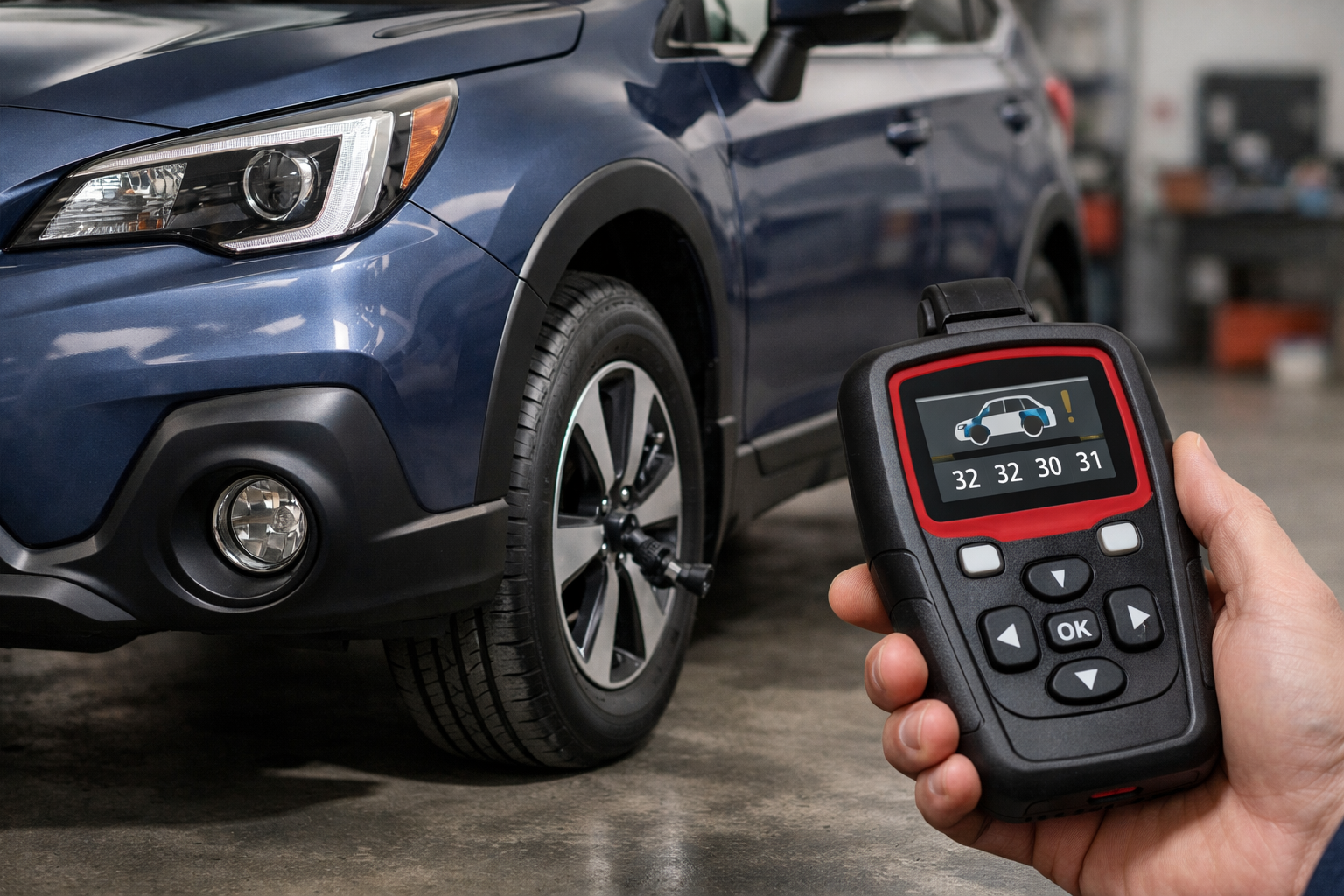
The Subaru Outback’s TPMS system typically auto-relearns sensor positions after driving, but a manual calibration through the infotainment or steering wheel controls ensures faster and more reliable results. This is especially useful for Outback owners who swap between summer and winter tire/wheel sets, which is a common practice in the northern climates where many Outbacks live.
6th Gen Outback (2020+): STARLINK 11.6-inch Touchscreen
Inflate all four tires to the correct pressure listed on the driver’s door jamb sticker. On the large vertical STARLINK touchscreen, navigate to Settings > Vehicle > Tire Pressure. Select “Calibrate” or “Set” and confirm the selection.
Drive for 20 to 30 minutes at various speeds to complete the recalibration. The system needs speed variation (both city and highway driving) to establish accurate baselines for the current tire pressures and positions.
5th Gen Outback (2015-2019): Steering Wheel Controls
Inflate all tires to the correct pressure. Using the steering wheel controls, navigate through the multi-information display to Vehicle Settings > TPMS > Set. Press the “Set” button and confirm.
Drive for 20 to 30 minutes at mixed speeds. On trims with the larger 8-inch STARLINK screen, the TPMS calibration may also be accessible through the touchscreen settings menu.
Seasonal Tire Swap Procedure
Outback owners in northern climates frequently run dedicated winter wheel and tire sets. If both wheel sets have TPMS sensors, the system recognizes the new sensors automatically after the driving portion of the calibration.
Install the new wheels, inflate to the correct pressure for those tires, initiate calibration through the menu, and drive for 20 to 30 minutes. The system maps the new sensor IDs to their wheel positions during this drive.
If your winter wheels don’t have TPMS sensors, the warning light stays on for the entire season. Many Outback owners install aftermarket sensors in their winter set to maintain TPMS function year-round.
Some tire shops can clone your original sensor IDs to aftermarket sensors in the second set, which eliminates the relearn cycle entirely since the Outback can’t distinguish between originals and clones.

TPMS Sensors for Subaru
Add TPMS function to your winter wheel set for year-round monitoring
Subaru’s TPMS Quirks
Subaru’s TPMS system can be pickier about electronic interference than some other brands. If calibration fails repeatedly despite correct tire pressures and sufficient driving time, try the following: turn off your phone’s Bluetooth and Wi-Fi, move the vehicle away from other parked cars with running electronics, and retry the calibration.
Some Outback owners have found that strong RF interference from nearby vehicles or wireless networks can disrupt the sensor communication during the relearn process.
Another Outback-specific consideration is that the system may take longer to complete calibration in very cold weather. The sensors transmit at slightly different rates when cold, and the receiver module may need additional time to accumulate enough data points.
If calibration doesn’t complete in 30 minutes during cold weather, try again on a warmer day or after the tires have warmed up from 15+ minutes of driving. Cold weather can affect many vehicle systems, similar to how cold temperatures impact electric car range.
Direct vs. Indirect TPMS on the Outback
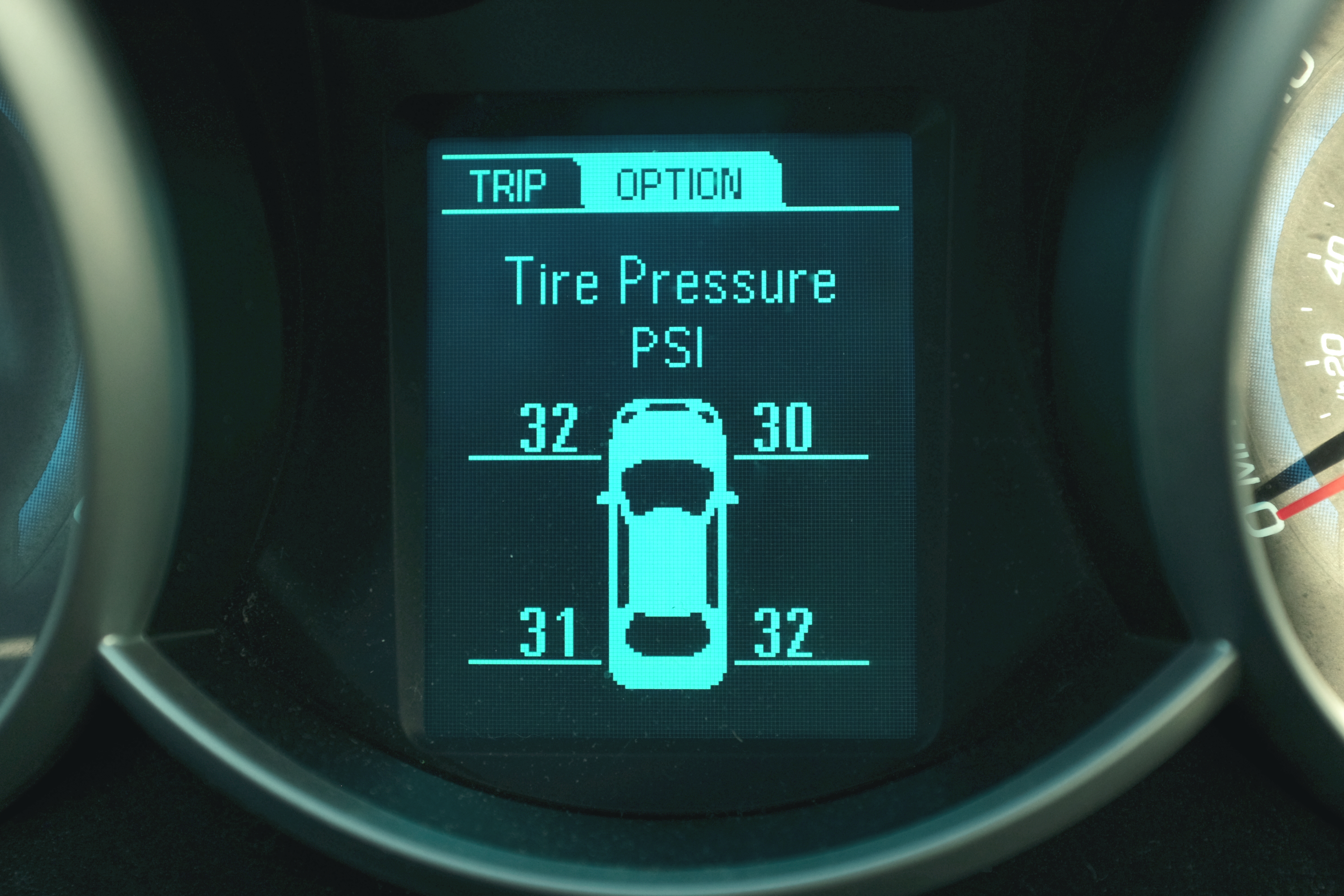
Most Outback trims use direct TPMS with physical pressure sensors in each wheel. These sensors transmit actual pressure readings wirelessly and allow individual tire pressures to be displayed on the dashboard.
Some base trims or certain market variants may use indirect TPMS (based on ABS wheel speed sensors), which requires a different calibration approach. Check your owner’s manual to confirm which system your specific Outback has.
Frequently Asked Questions
How long does Outback TPMS calibration take?
The driving portion typically takes 20 to 30 minutes at mixed speeds. Highway driving at a constant speed may extend the calibration time because the system needs data from varying speeds. Mix some city-speed driving with highway driving for the fastest results.
Can I clone sensor IDs for seasonal wheel swaps?
Yes. Many tire shops can program aftermarket sensors to match your original sensor IDs, which eliminates the relearn cycle entirely when swapping between wheel sets. This is the most convenient approach for Outback owners who swap tires twice a year.
Why does the TPMS light come on after a car wash?
Some Outback owners report transient TPMS warnings after automated car washes. The high-pressure water jets can temporarily affect sensor signal transmission through the wheel. The light typically clears on its own within a few minutes of driving as the sensors resume normal communication.
Does the Subaru Outback need special TPMS sensors?
The Outback works with both OEM Subaru sensors and aftermarket universal sensors that can be programmed to match Subaru’s frequency. Most tire shops stock compatible aftermarket sensors, which are typically more budget-friendly than OEM replacements while providing the same functionality.

Leave a Reply