

The RAM 1500 has become the luxury truck of the full-size segment, offering the best ride quality and interior refinement of any pickup. That premium positioning means used prices are correspondingly high, making it essential to choose the right model year. Certain years have well-documented issues including TIPM electrical module failures, EcoDiesel emissions system problems, and the persistent “Hemi tick” that affects the 5.7L V8 across multiple generations.
RAM 1500 Years to Avoid
2003 (Dashboard Cracks, Ball Joint Failures)
The 2003 RAM had an unusually high rate of dashboard cracking where the entire top of the dash would split from heat and UV exposure. The more serious concern was premature front ball joint failures.
A failed ball joint can cause sudden loss of steering control. RAM issued recalls, but the volume of affected vehicles was large.
2013 (TIPM Electrical Module Failures)
The Totally Integrated Power Module (TIPM) on the 2013 RAM 1500 is one of the most well-documented electrical failures in modern truck history. The TIPM is essentially the electrical brain of the vehicle, controlling the fuel pump relay, power windows, locks, horn, and numerous other systems.
When it fails, the symptoms are bizarre and seemingly random: the fuel pump may not activate (no-start condition), windows operate on their own, the horn honks randomly at 3 AM, wipers turn on without input, and the truck may refuse to start despite having a fully charged battery.
TIPM replacement is expensive because the module itself is costly and the labor to program the new unit to the vehicle’s computers is time-intensive. Aftermarket TIPM repair kits exist that replace the specific relay inside the module, which is a more affordable fix but requires soldering skills.
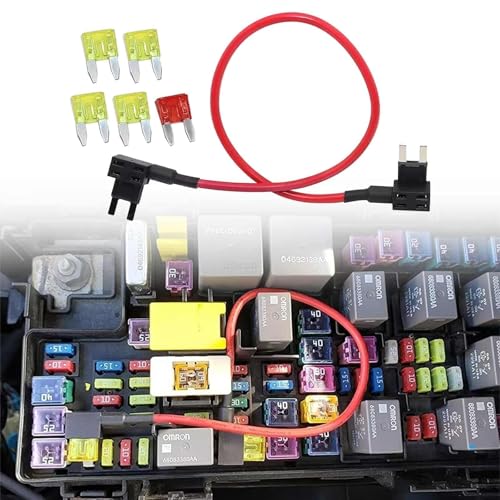
RAM 1500 TIPM Repair Kit
More affordable than full module replacement if you’re comfortable with soldering
2014 (EcoDiesel DEF System Issues)
The first-year 3.0L EcoDiesel V6 was highly anticipated as a fuel-efficient alternative to the Hemi, but it launched with diesel exhaust fluid (DEF) system failures, EGR cooler problems, and oil cooler leaks. The emissions system components (DEF injector, DEF tank heater, NOx sensors, SCR catalyst) proved fragile and expensive to replace.
Some owners experienced repeated DEF system failures that left the truck in limp mode. The EcoDiesel improved significantly in subsequent years as the emissions system components were revised, but the 2014 model year’s poor first impression damaged the engine’s reputation permanently.
2019 (First-Year 5th Gen, eTorque Bugs)
The redesigned 2019 RAM 1500 had first-year growing pains including eTorque mild hybrid system software glitches (rough start-stop transitions, delayed acceleration from stops), Uconnect infotainment freezing and slow response, and some build quality inconsistencies (interior rattles, uneven panel gaps).
The 2020 and 2021 model years resolved most of these concerns through software updates and production refinements.
The Hemi Tick Explained

A ticking noise at startup is common on 5.7L Hemi engines across multiple model years of the RAM 1500. The tick has two potential sources.
The first is exhaust manifold bolts that break due to thermal cycling. This creates a small exhaust leak that produces a ticking noise, especially when the engine is cold. The tick often diminishes or disappears once the engine warms up and the metal expands. This type of tick is primarily cosmetic and doesn’t affect engine performance or longevity.
The second, more serious source is the Multi-Displacement System (MDS) lifters. Like GM’s AFM system, the Hemi’s MDS deactivates four cylinders during light-load driving. The specialized MDS lifters can develop a tick when they fail to properly engage or disengage, and in severe cases, a lifter can collapse entirely, causing a dead misfire.
Collapsed MDS lifter repair requires removing the cylinder heads and intake manifold, similar to the GM AFM repair, and costs several thousand dollars.
Distinguishing between an exhaust manifold tick (harmless) and an MDS lifter tick (potentially serious) requires careful listening and sometimes professional diagnosis. Exhaust ticks are loudest at the exhaust manifolds and diminish with engine temperature. Lifter ticks are more rhythmic, come from the top of the engine, and may not change with temperature.
Best RAM 1500 Years to Buy
For the 4th gen (2009-2018): 2016 and 2017 are the sweet spots, with mature production quality, refined infotainment, and the best balance of features and reliability. For the 5th gen (2019+): 2021 and later are well-sorted, with resolved eTorque software, improved Uconnect responsiveness, and better build quality.
The 5.7L Hemi remains the most popular and best-understood engine choice for reliability. Run an OBD2 scanner on any used RAM and listen carefully for lifter tick during a cold-start test drive.

OBD2 Scanner for Dodge/RAM
Check for Hemi-specific codes and electrical system health
Before purchasing any used RAM 1500, use proper test drive procedures and review the vehicle history report for any signs of previous electrical or mechanical issues.
5.7 Hemi vs. 3.6 V6 vs. 3.0 EcoDiesel: Which Is Most Reliable?

The 5.7L Hemi has the longest track record and is generally the most reliable engine option, especially in 2016+ model years. The MDS lifter tick is the primary concern, and many owners opt for an MDS delete to eliminate the risk entirely.
The 3.6L Pentastar V6 is solid and reliable but underpowered for towing and lacks the Hemi’s character. The 3.0L EcoDiesel improved significantly after the problematic 2014 launch and offers excellent fuel economy, but it has more complex emissions systems that can be expensive to maintain as the truck ages.
If you’re looking to improve your truck’s fuel efficiency, consider your driving habits before choosing between these engines. For those who don’t need maximum fuel economy, the proven Hemi is the safest choice.
Frequently Asked Questions
Is the Hemi tick a serious problem?
Exhaust manifold tick is cosmetic and doesn’t affect longevity. MDS lifter tick can indicate a failing lifter, which is a serious and expensive issue if the lifter collapses. A pre-purchase inspection should differentiate between the two. If in doubt, have a Mopar-experienced mechanic listen to the engine.
Is the eTorque system reliable now?
The eTorque system on 2021+ RAMs has proven reliable after initial software bugs were resolved. The mild hybrid system provides smoother start-stop transitions and slightly better fuel economy. Early 2019 models had software-related eTorque issues that were addressed through dealer updates.
Learn more about how start-stop technology works and why modern systems are designed to handle frequent cycling.
Should I avoid the EcoDiesel entirely?
The 2016+ EcoDiesel is a significantly better engine than the 2014. If you want diesel fuel economy and don’t mind the complexity of modern diesel emissions systems, the 2016-2019 EcoDiesel is a reasonable choice. Budget for potential DEF system maintenance as the truck ages.
What should I check before buying a used RAM 1500?
Perform a cold-start test to listen for lifter tick, scan for diagnostic codes with an OBD2 scanner, check for TIPM-related electrical issues (test all windows, locks, horn, and fuel pump operation), and inspect for exhaust manifold leaks. On EcoDiesel models, verify all emissions system components are functioning properly.
Buying a used RAM 1500 with known issues can potentially affect your insurance costs. Learn more about factors that increase insurance premiums and how your credit score impacts rates.
This article contains affiliate links. We may earn a small commission at no extra cost to you.
Leave a Reply