
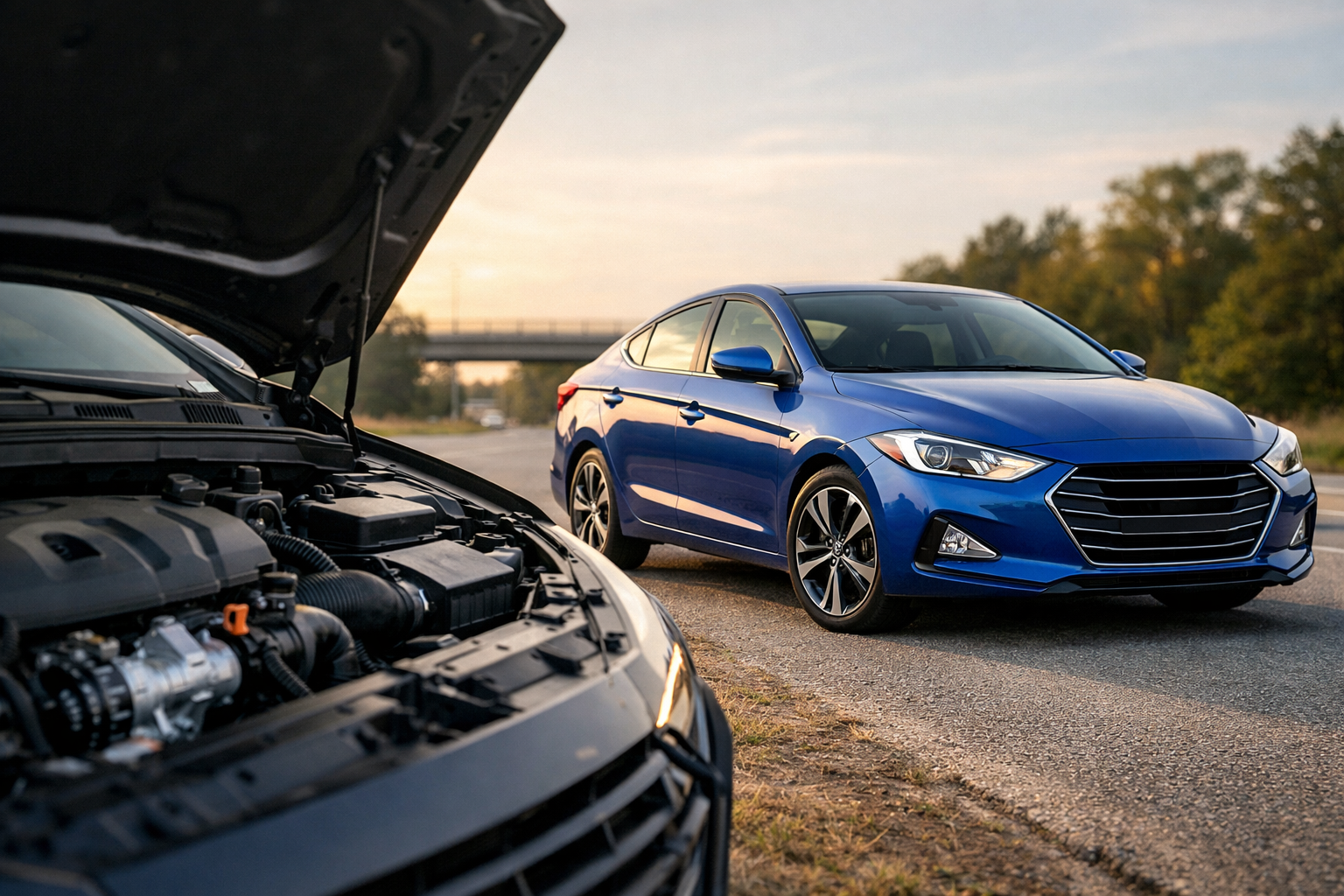
The Hyundai Elantra offers exceptional value in the compact sedan segment, combining strong feature content with competitive pricing. Like other Hyundai-Kia products, however, certain model years are affected by engine issues that have generated massive recalls.
Knowing which engine family your potential purchase has is the single most important factor in choosing a reliable used Elantra, because the difference between the recalled engines and the unaffected ones is the difference between a potential catastrophe and a perfectly dependable daily driver.
Elantra Years to Avoid
2013 (Engine Failure, Part of Broader Recall)
The 2013 Elantra with the 1.8L Nu engine is part of Hyundai’s broad engine recall for manufacturing defects that can lead to catastrophic engine seizure. The issue is the same root cause as the Theta II recall (metal debris left in oil passages during manufacturing), but it affects the Nu engine family used in the Elantra rather than the Theta II used in larger vehicles.
The result is the same: restricted oil flow to connecting rod bearings, bearing overheating, and potential engine lock-up without warning.
The 2013 model year has the highest complaint volume for engine-related issues across all recent Elantra generations. If you’re considering a 2013 Elantra, verify the recall status through the VIN at nhtsa.gov/recalls and confirm whether the engine has been inspected or replaced under the recall program.
2017 (Electrical and Engine Complaints)
The 2017 Elantra was a redesign year (AD platform) that brought above-average complaints for electrical issues, engine stalling during driving, and some transmission hesitation. The electrical problems included infotinfirmament system freezing, backup camera failures, and intermittent warning light illumination.
Engine stalling was particularly concerning, with some owners reporting the engine cutting out during highway driving without warning.
Hyundai addressed many of the 2017’s issues through software updates and TSBs during the model year, so later-production 2017 Elantras (built after June 2017) tend to be more refined than early production units. The 2018 model year is noticeably improved.
2011 (Early GD Platform Issues)
The 2011 Elantra introduced the GD platform with some growing pains. Owners reported steering issues (including a recall for a coupling bolt that could loosen), engine noise at cold startup, and a less refined ride than the redesigned exterior suggested.
The 2012 and later years of the same generation are more sorted.
Theta II vs. Nu vs. SmartStream: Engine Families Explained
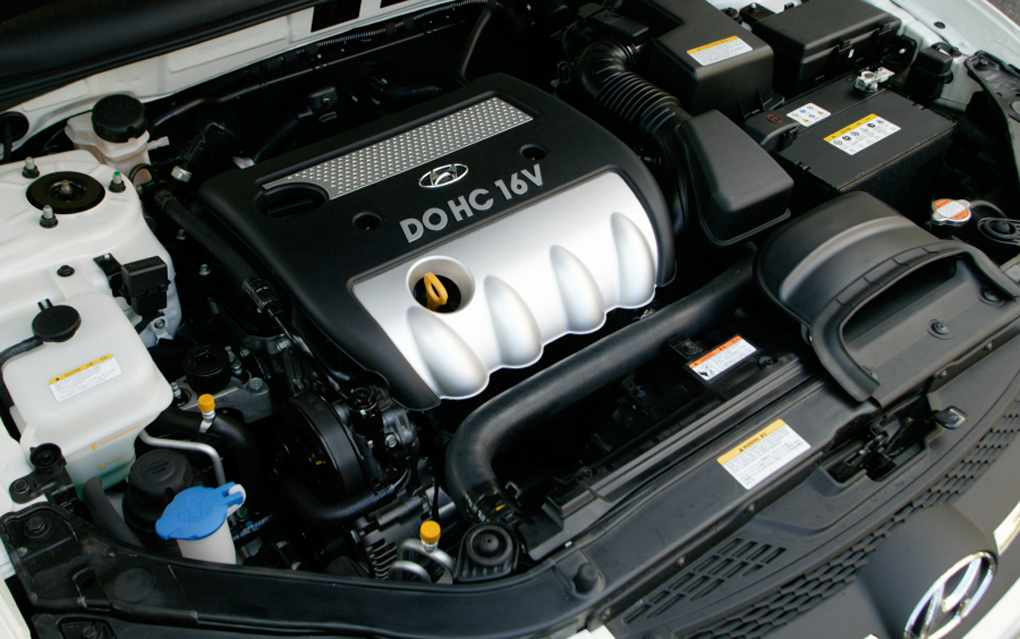
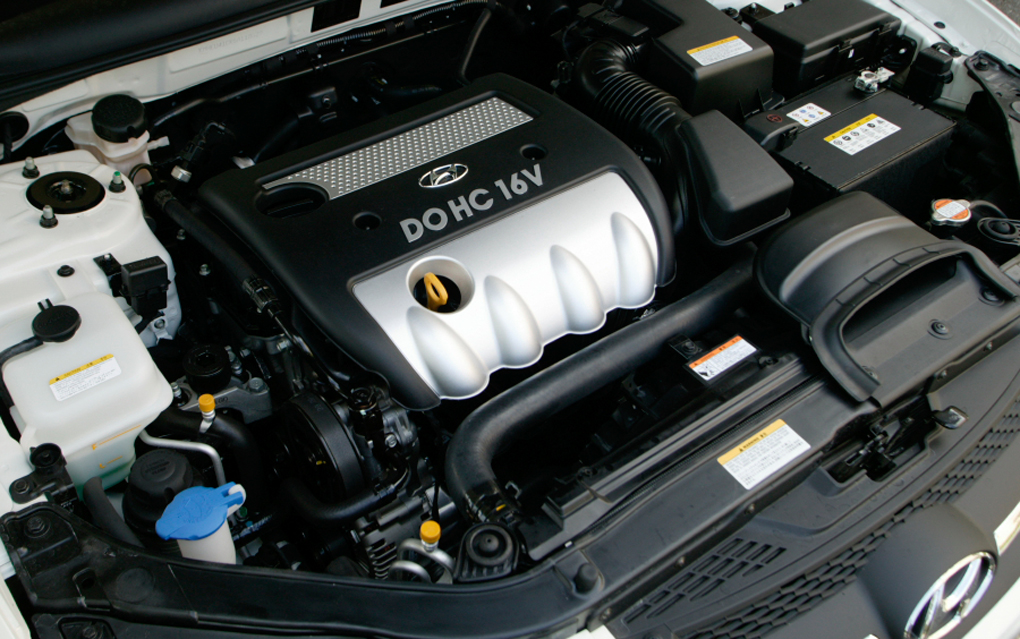
Understanding which engine family is in your potential Elantra purchase is critical. The Theta II (2.0L/2.4L) engine recall gets the most media attention because it covers the largest number of vehicles across multiple Hyundai and Kia models.
The Nu engine (1.8L), used in the Elantra, has its own separate recall for similar manufacturing defects. Both engine families carry the risk of catastrophic failure from the same root cause: metal debris restricting oil flow to bearings.
The SmartStream engines in the 2021+ Elantra (CN7 platform) are a completely new design that is not affected by any engine recall. The SmartStream 2.0L and the SmartStream 1.6T use modern manufacturing processes that don’t have the debris contamination issue.
For used buyers, the SmartStream-powered 7th generation Elantra represents the safest choice.
The Gamma engine (1.6L) used in the Elantra GT and some international models is also not part of the Theta II or Nu recalls, though it has its own smaller set of complaints.
Best Elantra Years to Buy
For the MD/GD generation (2011-2016): 2015 is the most refined year with the fewest complaints. For the AD generation (2017-2020): 2019 and 2020 benefit from production maturity, resolved electrical issues, and strong feature content at depreciated prices.
For the CN7 generation (2021+): all years have been solid with the SmartStream engines proving reliable. The Elantra Hybrid (2021+) has been particularly well-received for its outstanding fuel economy and smooth driving experience.
Always check recall status at nhtsa.gov and run an OBD2 scanner before purchasing any used Elantra. This simple diagnostic tool can reveal hidden engine codes and help you avoid a problem vehicle.

OBD2 Scanner for Hyundai
Verify engine health and recall status on used Elantras
What to Check Before Buying a Used Elantra
When shopping for a used Elantra, bring along an OBD2 scanner to check for stored engine codes. Pay particular attention to knock sensor codes, misfire codes, or bearing-related trouble codes that could indicate early stages of the recall-related engine problems.
Request a full vehicle history report to verify whether recall work has been completed. During your test drive, listen carefully for any unusual engine noises, particularly knocking or ticking sounds that could indicate bearing wear.
Check the oil level and condition. If the oil is extremely dirty or low, it could suggest poor maintenance or engine problems. Ask for service records to verify regular oil changes, as proper maintenance is critical for the recalled engines.
If you’re looking at a 2013 Elantra specifically, walk away unless you can confirm the engine has already been replaced under warranty. The risk simply isn’t worth the potential savings.
Understanding the Financial Risk
Engine failure on a recalled Elantra can happen suddenly and without much warning. If the engine seizes while you still owe money on the vehicle, you’ll face a particularly difficult situation similar to totaling a car you still owe money on.
While Hyundai has extended warranties for affected vehicles, coverage varies based on recall participation and original ownership. Second owners may have limited protection compared to original buyers.
The safest financial approach is to avoid the problematic model years entirely and focus on 2015, 2019-2020, or 2021+ Elantras with verified clean histories.
Frequently Asked Questions
Is the Elantra reliable overall?
Outside the recalled engine years, the Elantra is a reliable and affordable compact car with low ownership costs. The 2021+ models with SmartStream engines have been particularly dependable and represent the strongest reliability showing in the Elantra’s history.
Does Hyundai’s warranty transfer to used buyers?
The powertrain warranty reduces to 5 years/60,000 miles for second owners (from 10 years/100,000 miles for the original buyer). Safety recalls, however, apply regardless of ownership status and have no mileage or time limit. Engine recall repairs carry their own warranty period after completion.
Is the Elantra Hybrid worth considering?
The Elantra Hybrid (2021+) offers approximately 54 MPG combined fuel economy, uses the reliable SmartStream engine, and adds minimal cost over the standard Elantra. It’s one of the best value propositions in the hybrid sedan market and a strong used buy.
Should I avoid all Hyundai products because of the engine recalls?
Not necessarily. The engine recalls affect specific engine families (Nu and Theta II) during specific production periods. Many Hyundai models use different engines that aren’t affected. The key is knowing which engine is in your specific vehicle and whether it’s part of the recall population. The newest generation vehicles with SmartStream engines represent a clean break from the problematic engine designs.
This article contains affiliate links. We may earn a small commission at no extra cost to you.


Leave a Reply