
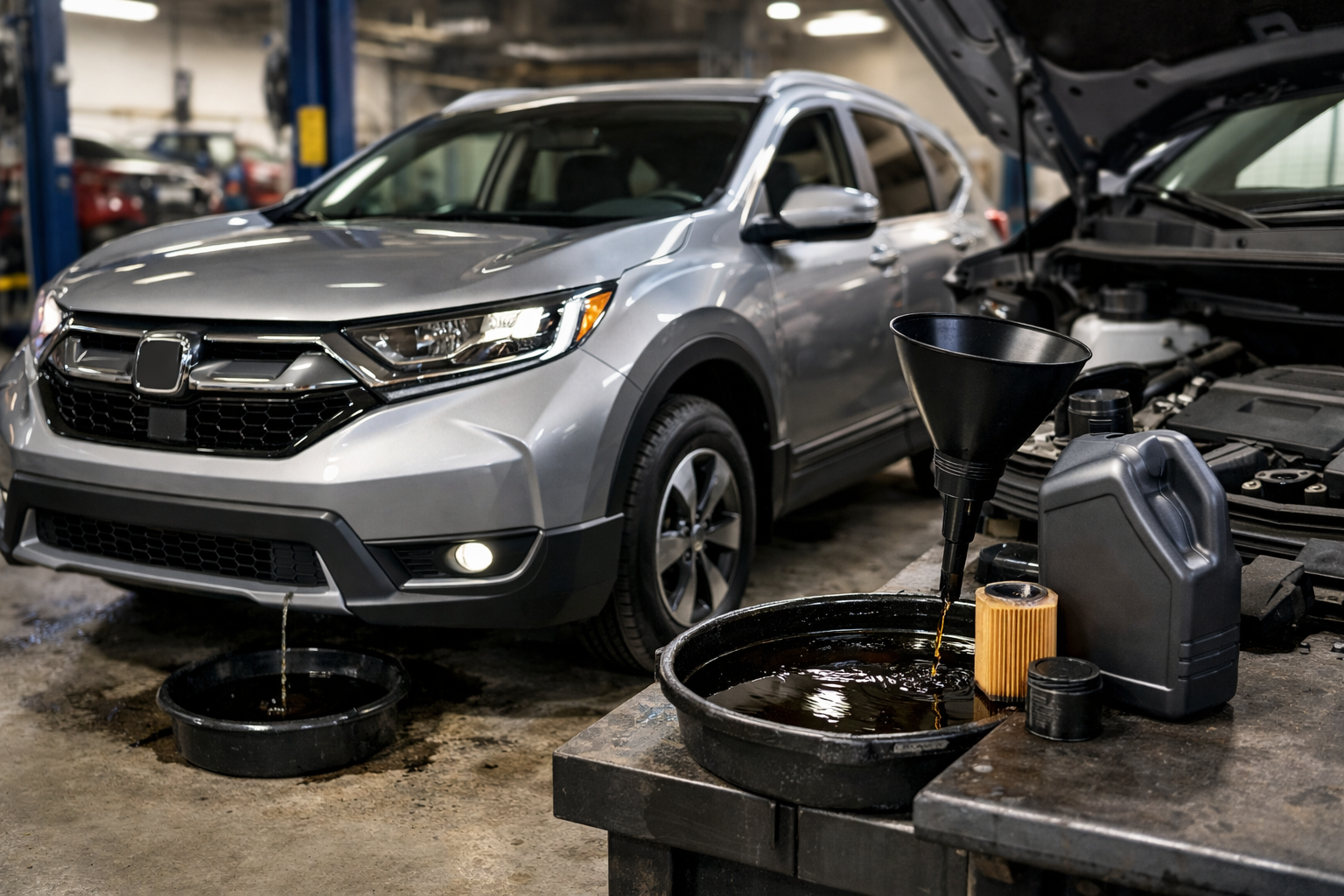
The Honda CR-V is a perennial best-seller in the compact SUV segment, and most model years are rock-solid. The biggest concern for used buyers is the 1.5L turbocharged engine’s oil dilution issue, which affects the 2017-2018 models most significantly and has similarities to the same problem on the Honda Civic.
Understanding this issue in detail, along with knowing which years avoided it entirely, will help you find a reliable used CR-V with confidence.
CR-V Years to Avoid
2002 (AC Compressor Failure)
The 2002 CR-V had an unusually high rate of AC compressor failure, which is significant because the compressor doesn’t just stop working. It can seize and send metal debris throughout the AC system.
When this happens, the condenser, expansion valve, and receiver-drier all need replacement along with the compressor, turning a single component failure into a multi-part repair that costs considerably more than a simple compressor swap.
2011 (Vibration Issues)
The 2011 CR-V (3rd gen) received persistent complaints about excessive vibration felt through the steering wheel, floor, and seat during highway driving. Honda attributed the problem to engine mount design and released updated mounts as a fix, but the issue persisted on some vehicles even after the replacement.
The vibration isn’t a safety concern, but it makes highway driving noticeably less comfortable than on adjacent model years.
2015 (AC and Vibration Continued)
The 2015 CR-V continued the vibration complaints from earlier models and added AC condenser issues to the list. The condenser’s location at the front of the vehicle makes it vulnerable to road debris, and the 2015 model’s condenser proved more fragile than competitors, leading to refrigerant leaks and AC failure.
2017-2018 (1.5T Oil Dilution)
This is the most significant issue for recent CR-V shoppers. The 5th generation CR-V introduced the 1.5L turbocharged engine in 2017, and with it came the oil dilution problem that also affects the Civic.
During short trips in cold weather, unburned fuel washes past the piston rings into the oil pan, raising the oil level above the full mark and diluting the oil with gasoline.
The problem is most pronounced in cold climates (below 40 degrees Fahrenheit) during short-trip driving where the engine never reaches full operating temperature. Highway commuters in warm climates rarely experience the issue.
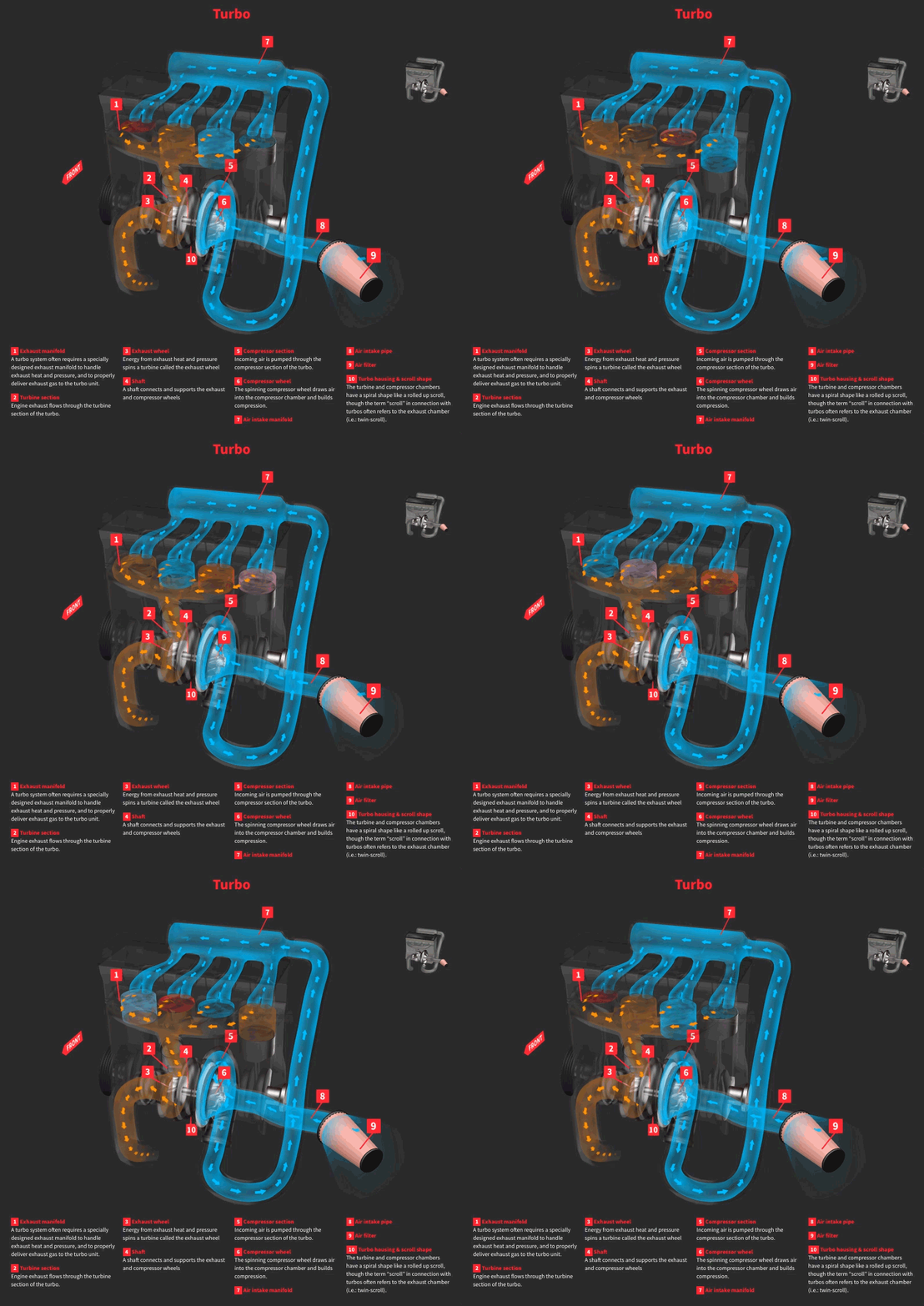
The diluted oil loses viscosity and can’t protect engine internals as effectively, which raises concerns about long-term engine wear. Similar to how turbocharged engines in general require more careful maintenance, the 1.5T needs proper operating conditions to stay healthy.
Honda issued an ECU calibration update that raises idle speed during cold operation, adjusts fuel injection timing, and opens the thermostat sooner to reach operating temperature faster. The update significantly reduces oil dilution but doesn’t eliminate it entirely in extreme cold.
The 2019+ models received improved calibrations from the factory and show dramatically fewer complaints.
Best CR-V Years to Buy
For the 3rd gen (2007-2011): 2008 and 2009 are excellent used buys with the proven 2.4L engine and minimal complaints.
For the 4th gen (2012-2016): 2014 and 2016 offer great value with the reliable 2.4L engine that doesn’t have the oil dilution concern. This generation is the sweet spot for buyers who want a proven powertrain at an attractive used price.
For the 5th gen (2017-2022): 2020 and 2021 have the most refined 1.5T calibration and represent the best combination of features and reliability.
For the 6th gen (2023+): All years have been solid so far with no widespread issues reported.
The CR-V Hybrid (2020+) uses a different powertrain configuration that doesn’t suffer from oil dilution. It’s been very reliable and is an excellent used buy for buyers who want maximum fuel efficiency. If you’re comparing the CR-V to the Toyota RAV4 for your family, the hybrid versions of both are worth considering.
What to Inspect on a Used CR-V
For 2017-2018 models with the 1.5T, check the oil level and smell the dipstick for gasoline. If the oil level is above the full mark or smells like fuel, the dilution issue is active on that vehicle.
Ask whether the ECU calibration update has been applied (the dealer can verify through service records). Ask about the vehicle’s geographic history. A CR-V that lived in a warm climate is a very different risk profile than one that spent winters in the northern U.S.
Run an OBD2 scanner for stored codes. Check recall completion status through Honda’s VIN lookup tool.

OBD2 Scanner for Honda
Read Honda-specific codes to verify engine health on used CR-Vs
On all CR-V generations, inspect the undercarriage for rust, check the AC system for proper cooling, and test-drive at highway speeds to check for vibration. These are the same critical steps you should take during any used car test drive.
Before committing to a purchase, always run a vehicle history report and watch for red flags like accident damage or title issues.
The 2.4L vs. 1.5T Decision
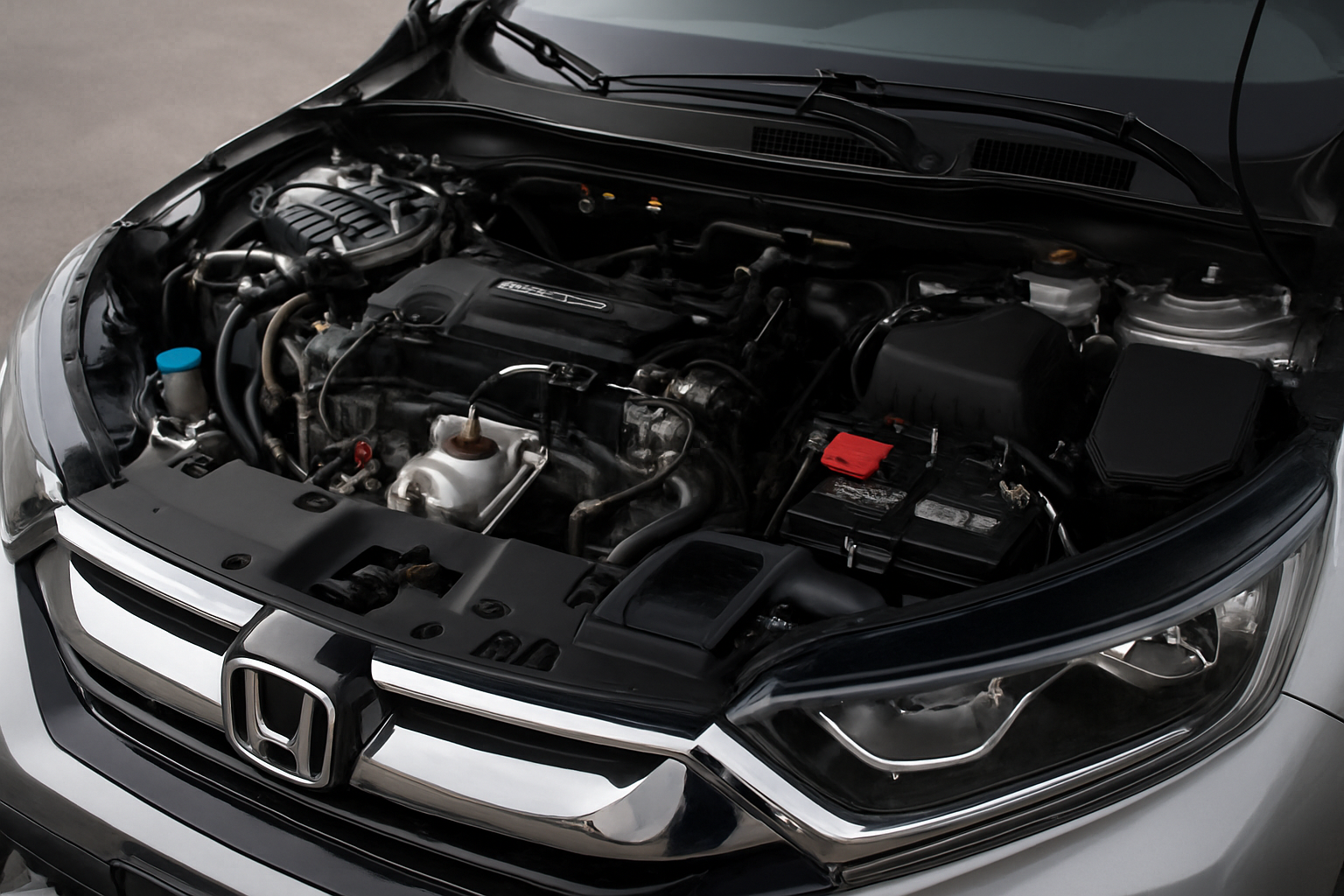
The 2.4L four-cylinder (used in 2012-2016 CR-Vs) is a naturally aspirated engine without the oil dilution concern. It has a longer track record, simpler maintenance requirements, and proven long-term durability.
The tradeoff is less power (185 HP vs. 190 HP) and worse fuel economy (about 3-4 MPG less in mixed driving).
The 1.5T (2017+) offers better fuel economy and slightly more torque across the RPM range, making it feel peppier in daily driving. In the 2020+ model years, the oil dilution risk is minimal with the updated calibration.
For cold-climate buyers who primarily make short trips, the 4th gen with the 2.4L remains the most worry-free option.

Honda CR-V Engine Oil
Use the correct weight and specification for your CR-V’s engine to maintain proper protection
Frequently Asked Questions
Is the 2.4L CR-V more reliable than the 1.5T?
The 2.4L has a longer reliability track record and doesn’t have the oil dilution concern. For buyers who prioritize maximum confidence, particularly in cold climates, the 4th gen CR-V with the 2.4L is the safest choice.
The 1.5T in 2020+ years is very close in reliability and offers better features and fuel economy.
Did Honda fix the oil dilution problem?
Honda improved it significantly through ECU updates and production changes starting with the 2019 model year. The 2020+ models show far fewer complaints.
The issue is most severe on 2017-2018 models in cold climates with short-trip driving patterns.
Is the CR-V Hybrid reliable?
The CR-V Hybrid (2020+) uses Honda’s two-motor hybrid system and a different powertrain configuration that doesn’t experience oil dilution. It has been very reliable across all model years and is an excellent used buy for buyers who want fuel efficiency without the 1.5T concerns.
Unlike traditional hybrids, you won’t need to worry about hybrid battery replacement costs for many years, as Honda’s system has proven durable.
Should I buy a used CR-V if I live in a cold climate?
If you live in a cold climate and make frequent short trips, stick with the 4th gen (2012-2016) models that use the 2.4L engine, or choose a 2020 or newer 5th gen model with the updated calibration. Avoid the 2017-2018 models unless you can verify the ECU update was applied and the vehicle shows no signs of oil dilution.


Leave a Reply