

The Honda Accord is a legendary nameplate with decades of reliability behind it, consistently competing with the Toyota Camry for the title of most dependable midsize sedan. A few specific model years, however, have issues significant enough to warrant caution from used buyers.
The 2003 automatic transmission failure is one of the most well-documented problems in Honda’s entire history, and the 1.5T oil dilution issue from the Civic carries over to certain Accord years as well.
Accord Years to Avoid
2003 (Automatic Transmission Failure)
The 2003 Accord with the V6 engine and automatic transmission is widely considered Honda’s worst reliability year across any model. The 5-speed automatic transmission suffered from premature failure at alarming rates, often between 75,000 and 120,000 miles.
The transmission’s torque converter and clutch packs would overheat and fail, causing slipping, harsh shifting, and eventually total transmission failure requiring a rebuild or replacement costing several thousand dollars.
Honda extended warranty coverage on some affected vehicles, but many have now aged well past any coverage period. The four-cylinder automatic and all manual transmission models from the same year are significantly more reliable. The V6 automatic is the specific combination to avoid.
2008 (Excessive Oil Consumption)
The 2008 Accord with the 2.4L four-cylinder (K24Z2) had documented oil consumption issues, burning a quart every 1,000 to 3,000 miles on affected units. The problem stems from piston ring design that doesn’t maintain adequate contact with the cylinder walls.
Not every 2008 Accord is affected, but the complaint rate was high enough to establish it as a known issue for this model year.
2013 (CVT Introduction, Vibration)
The 2013 Accord introduced a CVT on four-cylinder models, replacing the traditional 5-speed automatic. Early units had complaints about vibration during light-throttle cruising, hesitation from stops, and a disconnected driving feel that was a departure from previous Accords.
The CVT itself proved mechanically reliable (unlike Nissan’s problematic CVT), but the driving experience was polarizing. For more details on how CVTs work and why some drivers dislike them, check out our guide to CVT transmissions.
The V6 continued with a conventional 6-speed automatic and didn’t share these complaints.
2018 (1.5T Oil Dilution in Cold Climates)
Like the Civic, the 2018 Accord with the 1.5L turbo engine can experience fuel diluting the engine oil in cold-climate, short-trip driving conditions. The mechanism is identical to the Civic’s issue: unburned fuel washes past the piston rings into the oil pan during cold operation, raising the oil level and thinning the oil’s protective properties.
Honda released ECU calibration updates to mitigate the problem. The 2.0T engine in the Accord does not have this issue.
Best Accord Years to Buy
For the 7th gen (2003-2007): 2005 and 2006 with the four-cylinder engine are excellent. The V6 with a manual transmission is also safe. Avoid the V6 automatic from 2003 specifically.
For the 8th gen (2008-2012): 2010 and 2011 are the sweet spots, with resolved oil consumption issues and mature production quality.
For the 9th gen (2013-2017): 2015 and 2016 are well-sorted with improved CVT calibration.
For the 10th gen (2018+): 2020 and later have the most refined 1.5T calibration. The 2.0T engine is the safest engine choice in this generation, pairing strong performance with no known oil dilution concerns.
Manual vs. Automatic Reliability
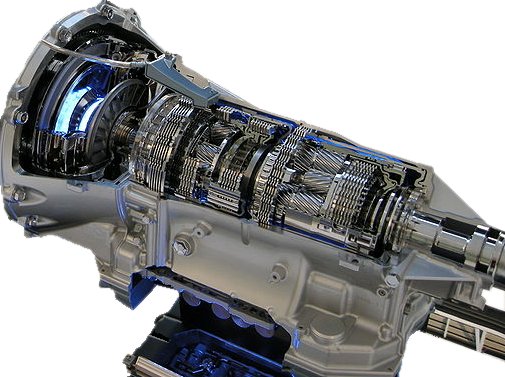

Honda’s manual transmissions have been exceptionally reliable across every Accord generation. The 6-speed manual on the 2018+ 2.0T Accord is one of the best manual transmissions currently available and pairs with the most powerful and most reliable engine option in the lineup.
For buyers who can drive a stick, the manual Accord offers a combination of engagement, efficiency, and reliability that’s hard to beat in the midsize sedan segment.
Use an OBD2 scanner to check for stored codes before buying any used Accord, paying special attention to transmission codes on 2003 V6 automatic models.

What to Check Before Buying a Used Accord
Before you commit to any used Accord, run a thorough inspection. Our used car test drive checklist covers all the warning signs to watch for during your evaluation.
You should also pull a vehicle history report to verify the car’s accident and service history. Learn how to read a vehicle history report and identify potential red flags before you make an offer.
If you’re financing the purchase, keep in mind that issues could arise later. Understanding what happens if you total a car you still owe money on is important protection knowledge for any financed vehicle.
Accord vs. Camry for Used Buyers
Both the Accord and Toyota Camry are excellent choices for used buyers. The Accord offers a more engaging driving experience with sportier handling and the available 2.0T engine. The Camry has a slight edge in long-term reliability data and offers a hybrid variant that’s hard to beat for fuel economy.
Either is a smart used buy in the right model year. For a detailed breakdown of how these two sedans compare as daily drivers, read our Camry vs. Accord comparison.
Maintaining Your Accord’s Transmission

Regular transmission fluid changes can extend the life of your Accord’s transmission significantly, especially on older models with the troublesome 2003 V6 automatic. Use genuine Honda transmission fluid or a high-quality alternative specifically rated for your transmission type.
Check out transmission fluid options for your Accord to maintain proper lubrication and cooling. Change the fluid every 30,000 to 50,000 miles for best results, especially if you drive in stop-and-go traffic or tow regularly.

Honda Accord Transmission Fluid
Regular fluid changes prevent premature transmission failure
Frequently Asked Questions
Is the 2.0T Accord reliable?
The 2.0L turbocharged engine doesn’t suffer from oil dilution and has been very reliable across all model years. It’s paired with either a 10-speed automatic or a 6-speed manual, both of which have proven dependable. The 2.0T is the premium engine option and the most reliable powertrain choice in the current Accord lineup.
Should I buy an Accord or Camry?
Both are excellent choices. The Accord offers a more engaging driving experience with sportier handling and the available 2.0T engine. The Camry has a slight edge in long-term reliability data and offers a hybrid variant that’s hard to beat for fuel economy. Either is a smart used buy in the right model year.
Is the Accord’s CVT as bad as Nissan’s?
No. Honda’s CVT in the Accord has proven mechanically reliable with no widespread failure issues. The complaints are about driving feel (rubber-banding, lack of engagement), not durability. Honda’s CVT is a completely different design from Nissan’s problematic Jatco unit.
What’s the most reliable Accord generation?
The 8th generation (2008-2012) is generally considered the most reliable, particularly the 2010 and 2011 model years with the four-cylinder engine. These years avoid both the 2003 transmission problems and the newer CVT/turbo issues while offering proven durability and low maintenance costs.
This article contains affiliate links. We may earn a small commission at no extra cost to you.




Leave a Reply