
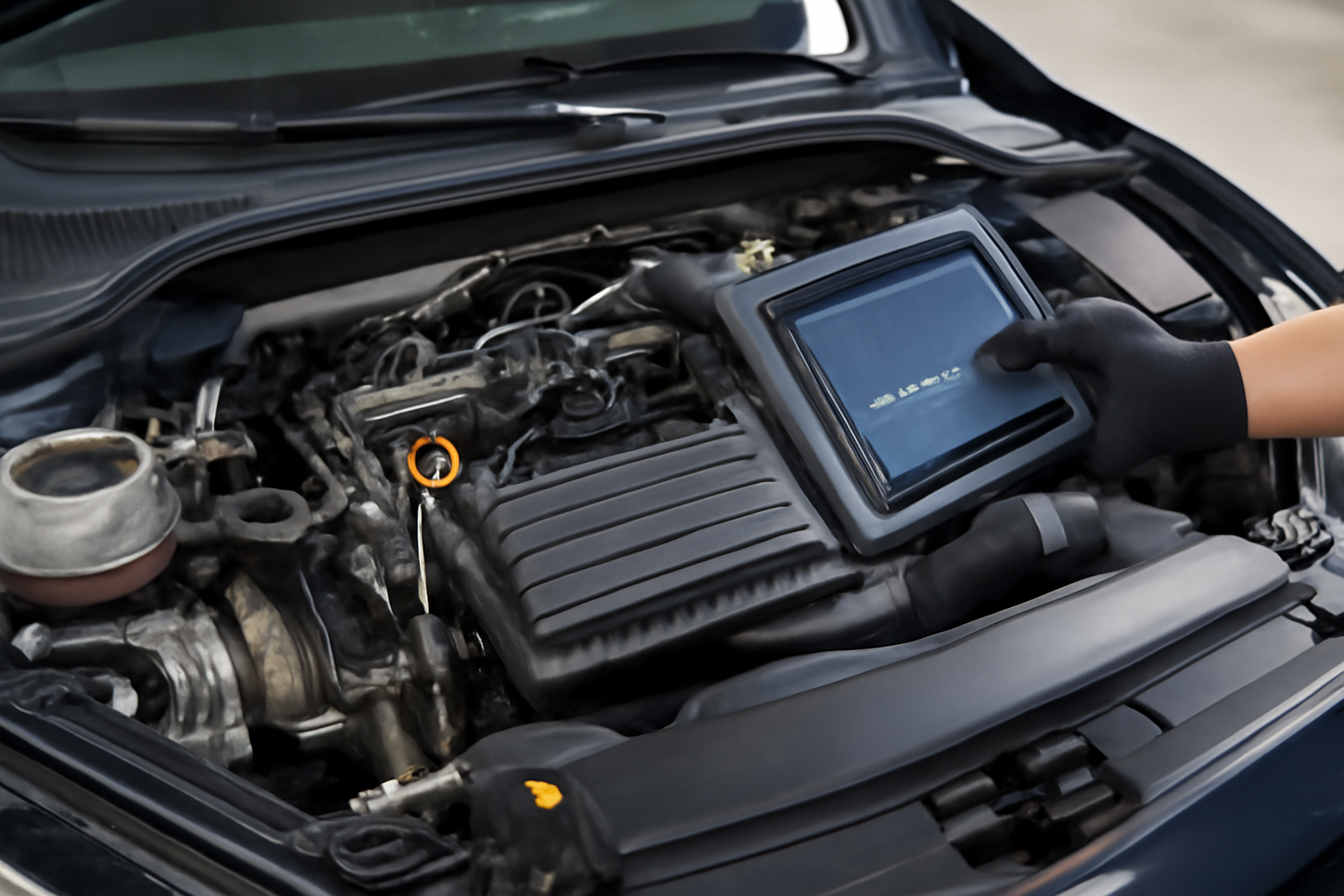
Your engine should idle smoothly between 600 and 800 RPM, producing a steady hum with minimal vibration. When the idle becomes rough, the engine shakes, the RPM fluctuates, or you feel vibrations through the steering wheel and seat, something is disrupting the combustion process. Most causes are maintenance-related and fixable without major engine work.
Dirty Throttle Body
The throttle body controls how much air enters the engine at idle. Over thousands of miles, carbon deposits build up around the throttle plate, restricting airflow and causing an uneven idle. The engine management system tries to compensate, but heavily built-up deposits overwhelm its ability to adjust.
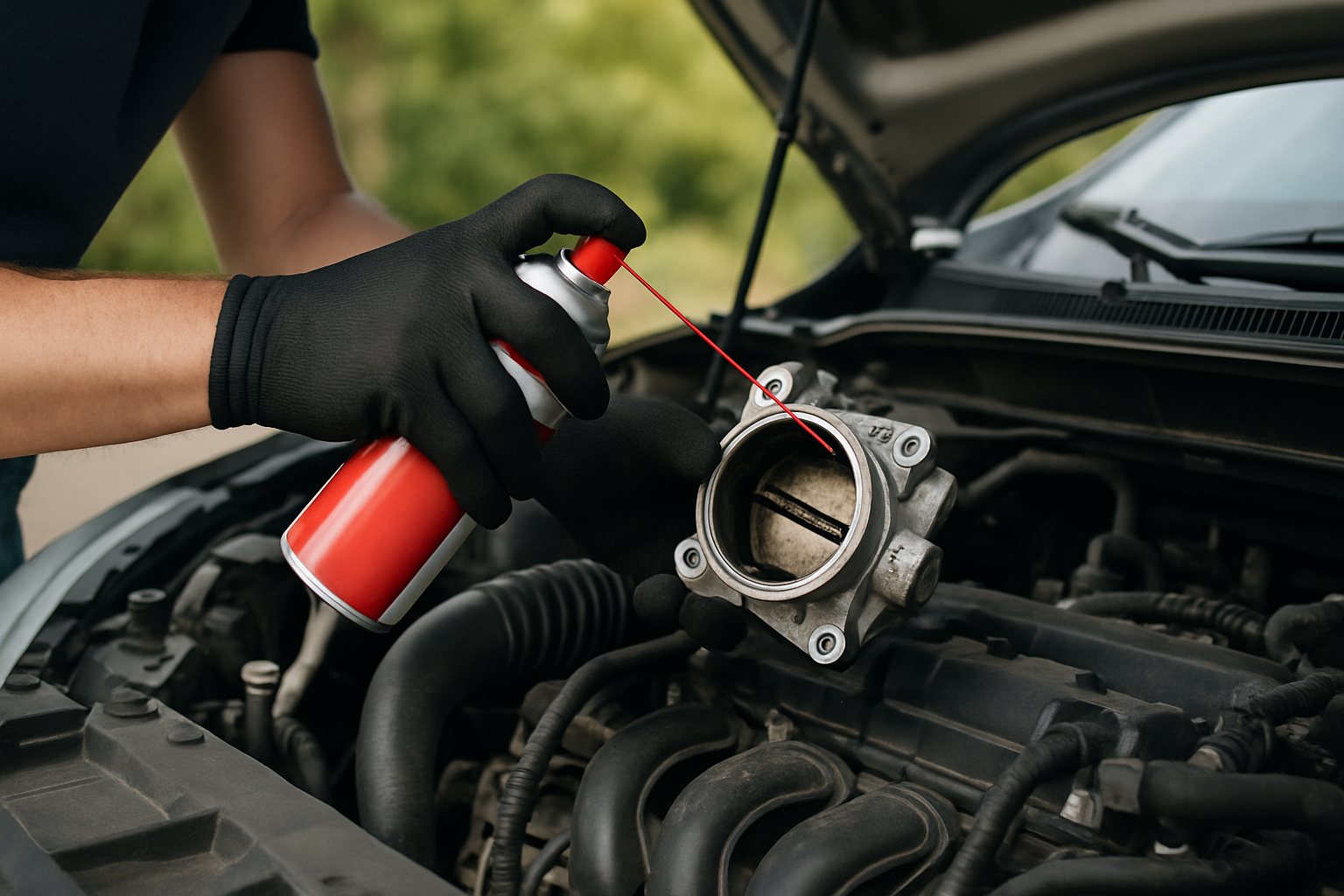
Cleaning the throttle body is a 20-minute job. Remove the air intake hose, spray throttle body cleaner on the plate and bore, and wipe with a cloth. Many cars idle noticeably smoother after this simple cleaning.
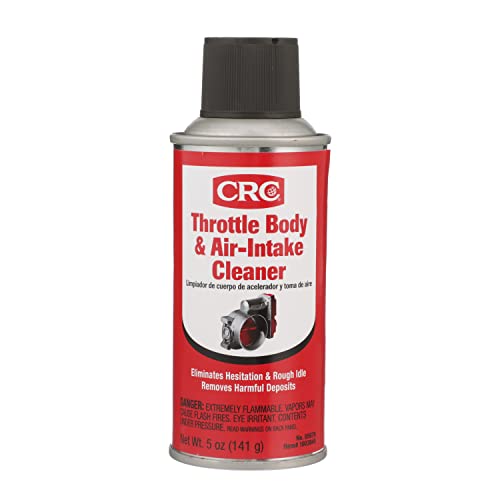
Throttle Body Cleaner
Essential for removing carbon deposits and restoring smooth idle without disassembly
Worn Spark Plugs
Spark plugs fire thousands of times per minute, and their electrodes wear down over time. Worn plugs produce a weaker spark, which can cause misfires that you feel as roughness at idle. At higher RPMs, the misfire may not be as noticeable because the engine has more momentum.
Replace spark plugs at the manufacturer’s recommended interval, typically 30,000 miles for copper and 60,000 to 100,000 for iridium or platinum. A fresh set of spark plugs often restores a smooth idle and improves throttle response.

Spark Plug Set
Fresh plugs can eliminate misfires and restore engine performance at idle and throughout the RPM range
Vacuum Leaks
The engine operates under vacuum at idle, and any unmetered air entering through cracked hoses, loose connections, or a leaking intake manifold gasket throws off the air-fuel mixture. The engine runs lean in spots, causing rough idle and sometimes a higher-than-normal RPM.
To find a vacuum leak, listen for a hissing sound around the engine with the car idling. You can also spray a small amount of carb cleaner around vacuum hoses and intake connections. If the idle momentarily changes when you spray a specific area, you’ve found the leak.
This diagnostic technique works on most vehicles, from reliable used cars to newer models experiencing engine hesitation issues.
Dirty or Failing Idle Air Control Valve
On vehicles with an Idle Air Control (IAC) valve, this component regulates airflow to maintain a steady idle speed. Carbon buildup or electrical failure causes the valve to stick, resulting in erratic idle speed that surges up and down.
Cleaning the IAC valve with throttle body cleaner often resolves the issue. If cleaning doesn’t help, replacement is the next step. Not all modern vehicles have a separate IAC valve. Many use the electronic throttle body to control idle speed directly.
Clogged Fuel Injectors
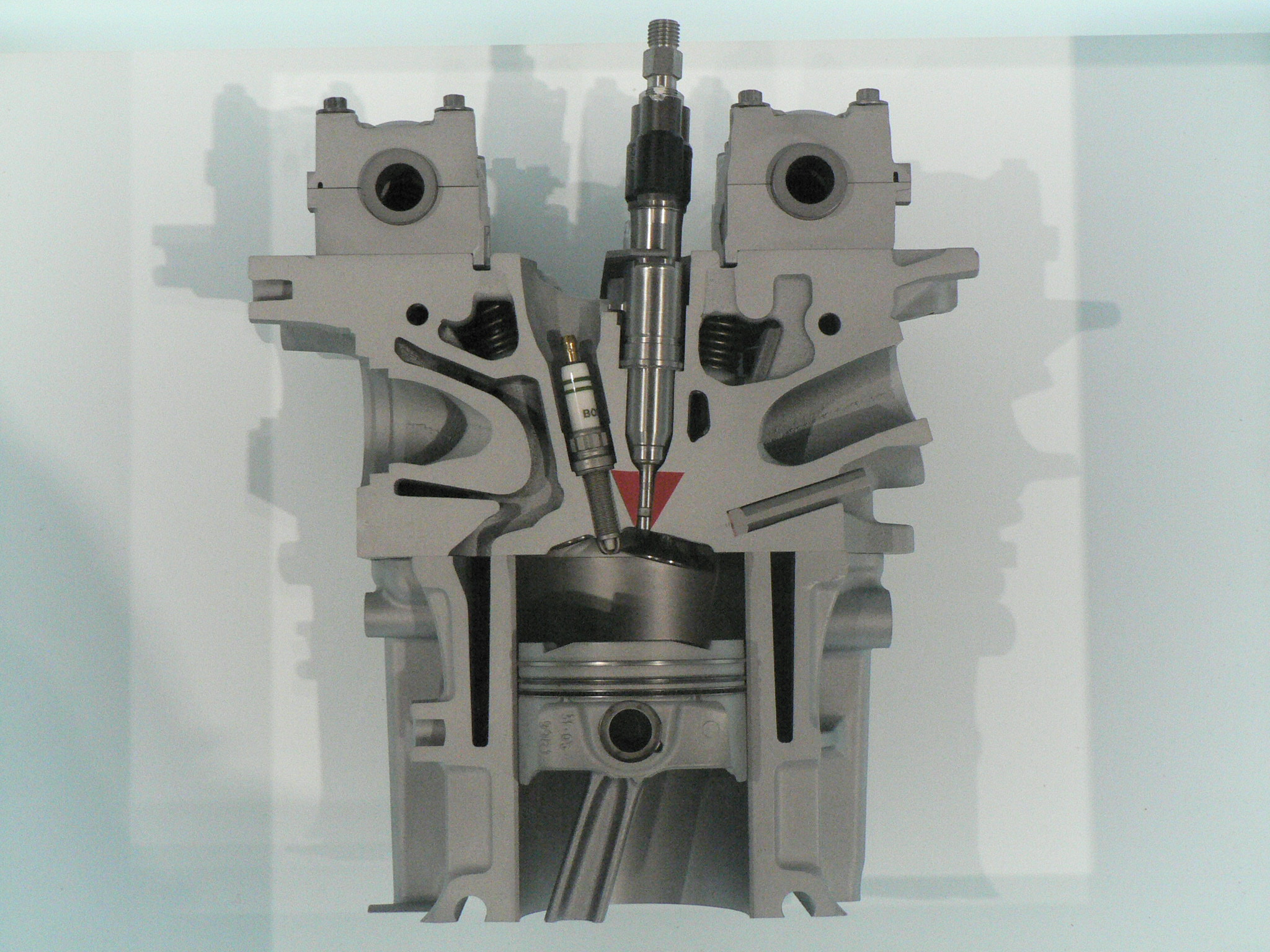
Carbon deposits on fuel injector tips restrict the spray pattern, causing uneven fuel delivery across cylinders. One cylinder running lean while another runs rich creates an imbalanced idle. A fuel system cleaner added to a tank of gas can dissolve mild deposits.
Heavily clogged injectors may need professional ultrasonic cleaning. This issue is particularly common in direct-injection engines, similar to the carbon buildup problems that affect certain models.

Fuel Injector Cleaner
Effective preventive maintenance that can clear minor deposits before they cause noticeable idle problems
Frequently Asked Questions
Is a rough idle dangerous?
A rough idle itself isn’t dangerous, but it indicates a problem that can worsen. Persistent misfires can damage the catalytic converter, and vacuum leaks can cause the engine to run hot. Address it before it escalates.
Can bad gas cause rough idle?
Yes, contaminated or water-laden fuel can cause misfires and rough running. If the problem started right after filling up, try adding a fuel dryer (isopropyl-based additive) or running the tank low and refueling at a different station.
Why does my car only idle rough when cold?
During cold starts, the engine runs richer and relies on specific sensors (coolant temperature, intake air temperature) to adjust the mixture. A failing coolant temperature sensor can cause the engine to run too rich or too lean until it warms up.
How much does it cost to fix a rough idle?
The cost depends on the cause. Cleaning a throttle body or IAC valve costs almost nothing if you do it yourself. Spark plugs typically run between budget-friendly and moderate pricing depending on your vehicle. Vacuum leak repairs vary based on what’s leaking, while fuel injector cleaning or replacement can be more expensive if professional service is needed.



Leave a Reply