
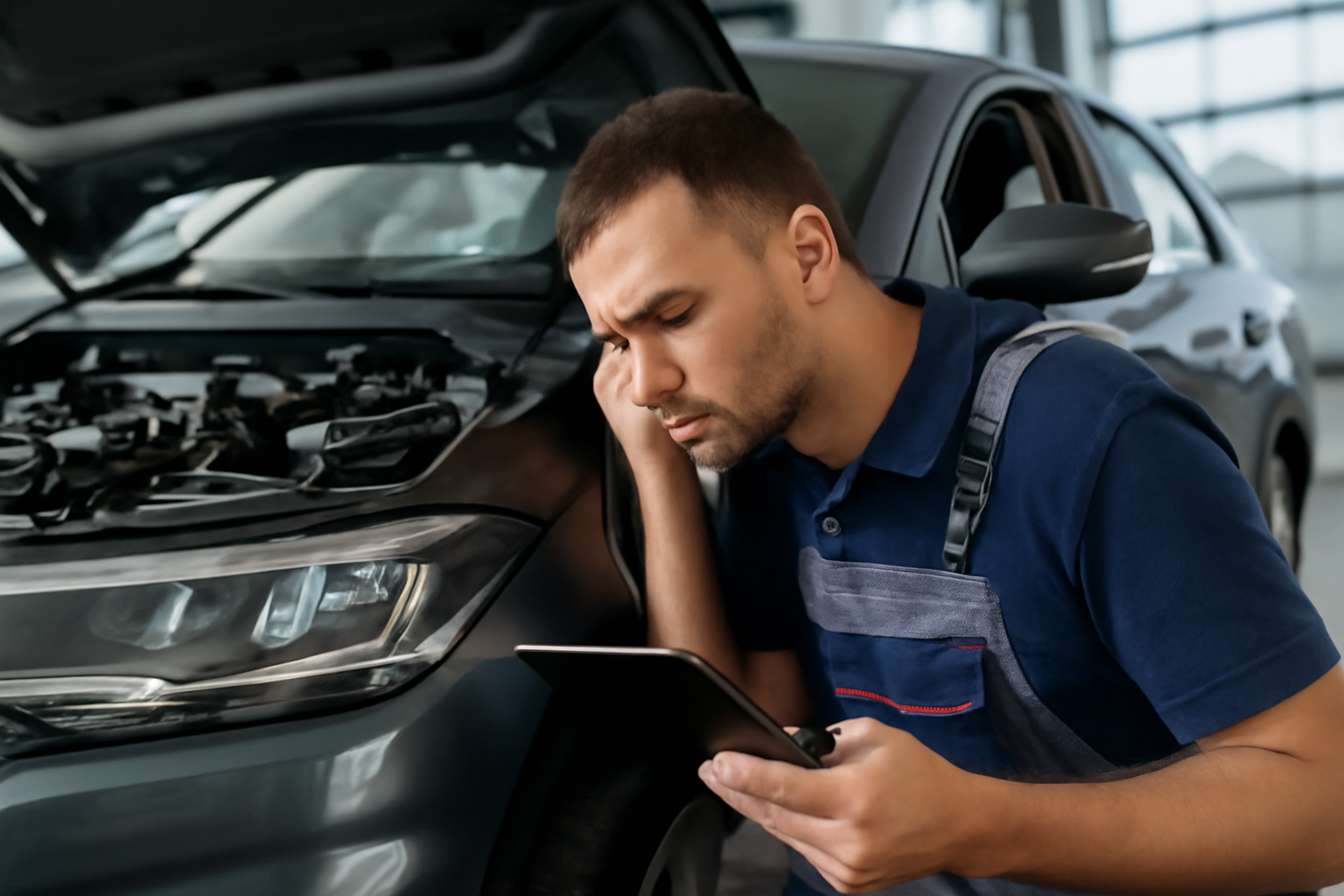
A persistent humming or droning noise that gets louder the faster you drive is hard to ignore. It often sounds like driving on a rough road, except it happens on smooth pavement too. The noise usually comes from one of three areas: the tires, the wheel bearings, or the drivetrain. Telling them apart saves you from replacing the wrong parts.
Wheel Bearing Failure
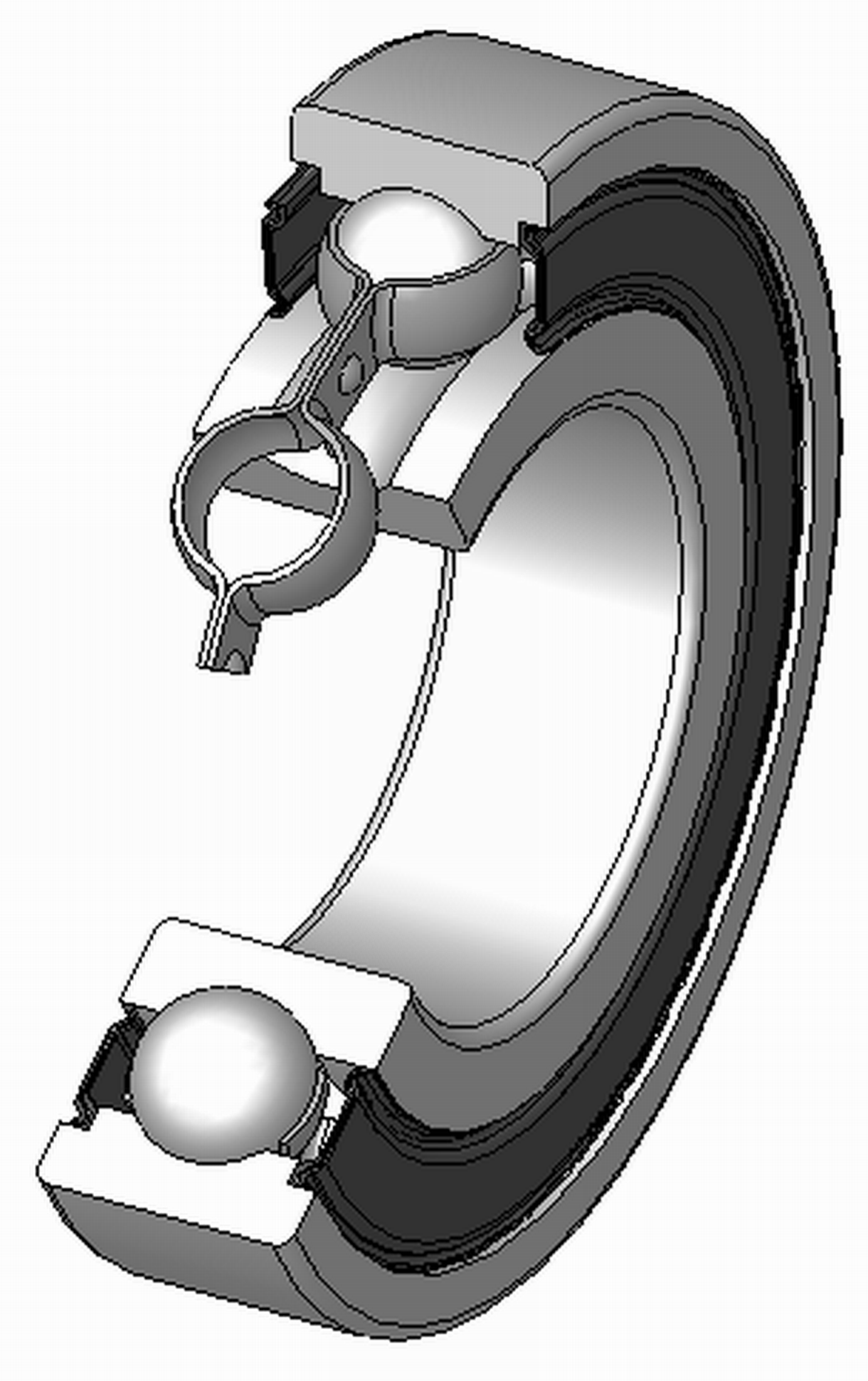
A failing wheel bearing is the most common cause of speed-dependent humming. Wheel bearings allow the wheel hub to spin freely on the axle. As the bearing wears, the internal rollers or balls develop rough spots that produce a low-pitched hum or growl. The noise increases proportionally with speed because the bearing spins faster.
The key diagnostic clue is whether the noise changes when you turn. If the hum gets louder when turning left, the right wheel bearing is likely failing (because turning loads weight onto the outside bearing). If it gets louder turning right, suspect the left bearing. This test works best at 30-50 MPH on a gentle curve.
A wheel bearing hub assembly includes the bearing, hub, and often the ABS sensor in one unit. Replacement is a moderate DIY project requiring a jack, jack stands, and basic hand tools. On some vehicles, the bearing presses into the knuckle and requires a hydraulic press.

Wheel Bearing Hub Assembly
Most vehicles use bolt-on hub assemblies that make DIY replacement manageable with basic tools
Tire Noise
Tires with aggressive tread patterns, uneven wear, or flat spots produce a humming that mimics wheel bearing noise. The difference is that tire noise often has a rhythmic pattern and may change pitch on different road surfaces. Cupping (scalloped wear on the tread blocks) creates a particularly annoying drone.
Rotate your tires and see if the noise changes location or character. If the hum moves from the front to the rear after rotation, the tires are the source, not the bearings. Worn or cupped tires need replacement. Proper tire rotation every 5,000-7,500 miles prevents uneven wear from developing.
Drivetrain Noise
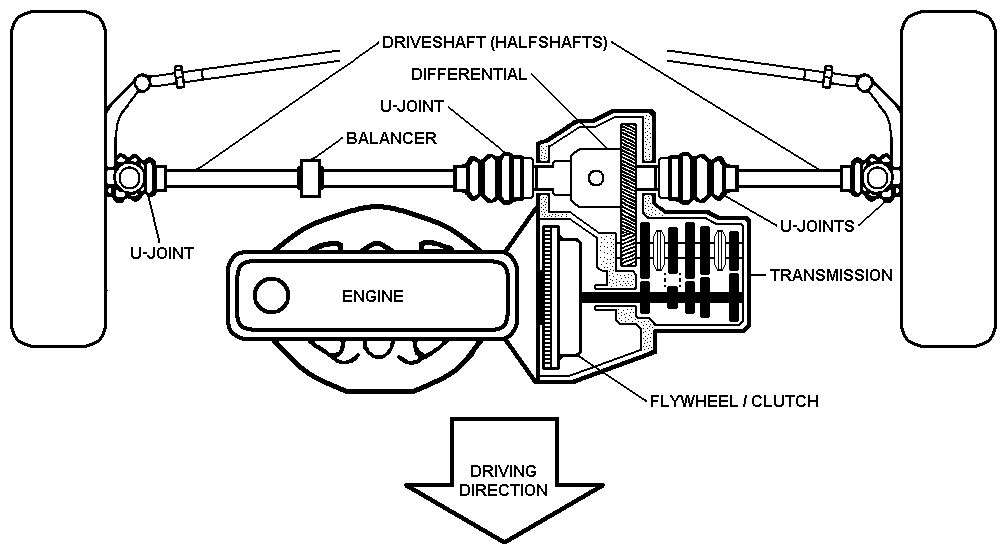
On rear-wheel-drive and all-wheel-drive vehicles, the differential (the gear set that splits power between the wheels) can produce a humming noise when its fluid is old or its gears are wearing. Differential noise typically changes with acceleration and deceleration rather than turns. A whine that gets louder on acceleration and quieter on deceleration often points to the differential.
Transmission bearing noise can also manifest as a speed-dependent hum, particularly in higher gears. This noise stays consistent regardless of turning direction but may change with gear shifts.
How to Diagnose the Source
Start by ruling out tires. Look for uneven wear patterns, cupping, or damage. Rotate the tires and see if the noise relocates. If the tires look fine and the noise doesn’t change after rotation, move on to bearings.
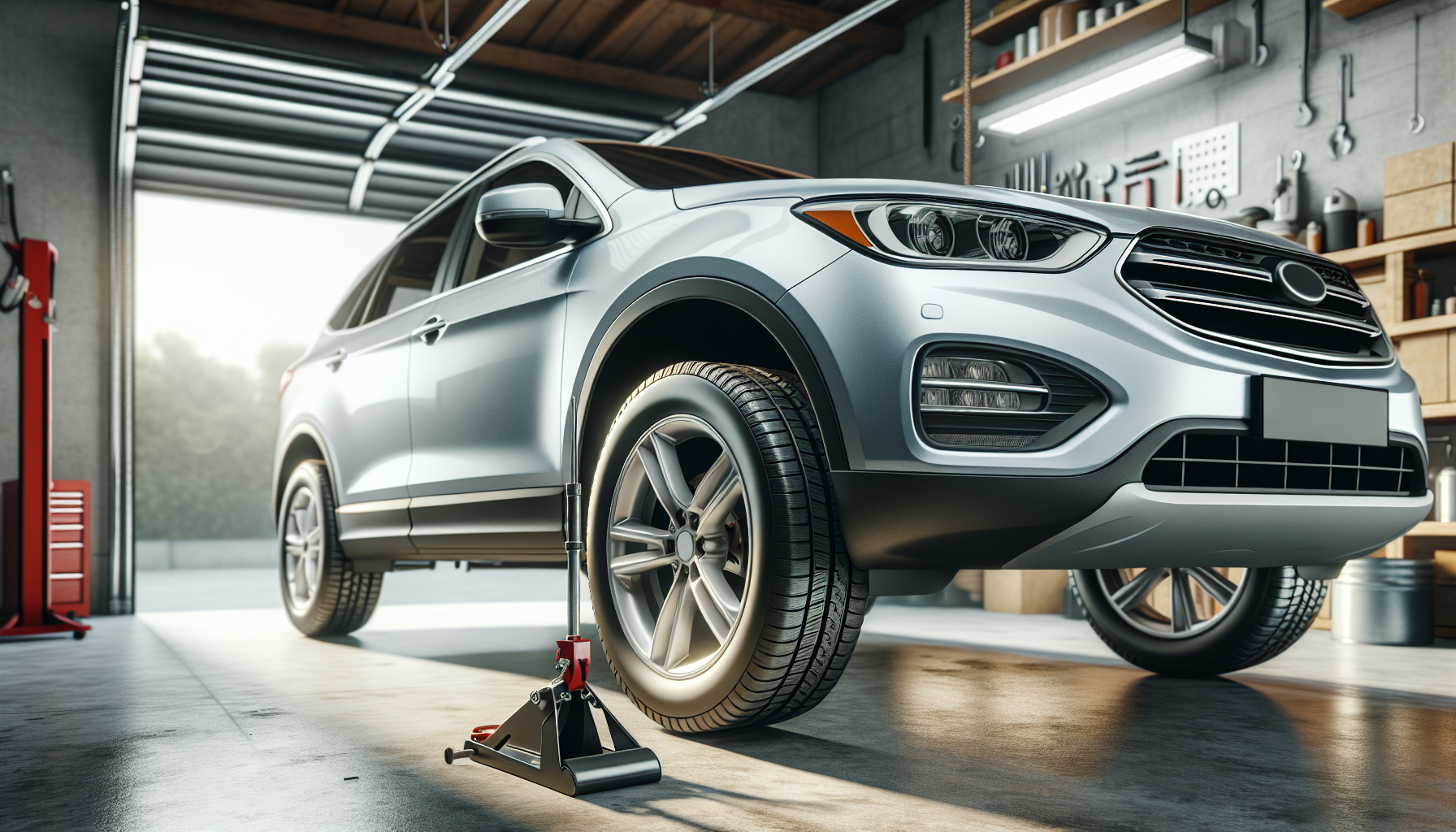
For bearings, jack up each corner of the car and spin the wheel by hand. A bad bearing often produces a rough, gritty feel or an audible grinding when spun manually. Grab the tire at the 12 and 6 o’clock positions and try to rock it. Any play indicates bearing wear.
If tires and bearings check out, the noise is likely drivetrain-related. Check the differential and transmission fluid levels and condition. Dark, burnt-smelling fluid suggests internal wear.

Automotive Stethoscope
Helps pinpoint the exact location of bearing noise by isolating sounds from each wheel hub
Frequently Asked Questions
How long can I drive on a bad wheel bearing?
A wheel bearing in early failure (mild humming) can last a few thousand more miles, but it degrades progressively. A severely worn bearing generates heat, can seize, and in extreme cases, allows the wheel to separate from the vehicle. Don’t ignore bearing noise for more than a few weeks.
If you’re evaluating used cars with high mileage, wheel bearing condition should be part of your inspection checklist.
Can bad alignment cause humming?
Bad alignment itself doesn’t hum, but the uneven tire wear it causes does. If your alignment has been off for a while, the resulting tire wear pattern creates noise that persists even after the alignment is corrected. The tires may need replacing to eliminate the noise.
Is wheel bearing replacement expensive?
Parts for a hub assembly are budget-friendly for most vehicles. Shop labor varies depending on the vehicle and whether the bearing presses into the knuckle (more labor) or bolts on as a hub assembly (less labor). DIY replacement saves significant labor cost if you have the tools and confidence.
Will a bad wheel bearing cause my car to overheat?
A wheel bearing won’t directly cause engine overheating, but if it seizes completely, it can create excessive friction and heat at the wheel hub. Engine overheating is typically caused by other cooling system issues, not wheel bearings.
Leave a Reply