
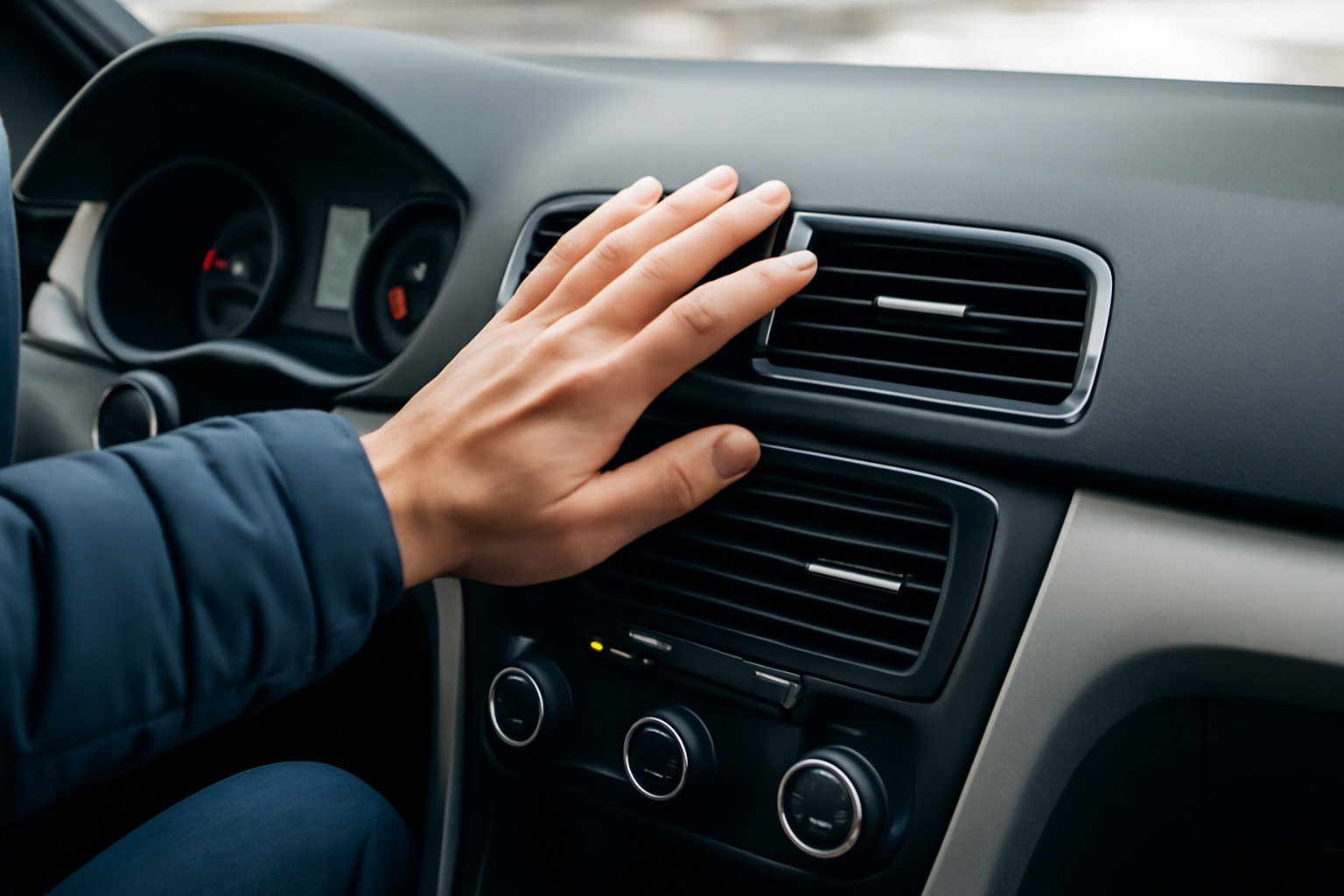
Driving in winter without heat is miserable and can be dangerous if your defroster can’t clear the windshield. A car heater that blows cold or lukewarm air usually points to the cooling system, not the heater itself.
The heater uses hot engine coolant to warm the cabin, so anything that disrupts coolant flow or temperature affects your heat output. Here are the most common causes and how to fix them.
Low Coolant Level
This is the first thing to check and the cheapest to fix. The heater core is a small radiator inside the dashboard that hot coolant flows through.
If the coolant level is low, there isn’t enough fluid to fill the heater core, and you get cold air from the vents. This is similar to other cooling system issues like when a car overheats with the AC on.
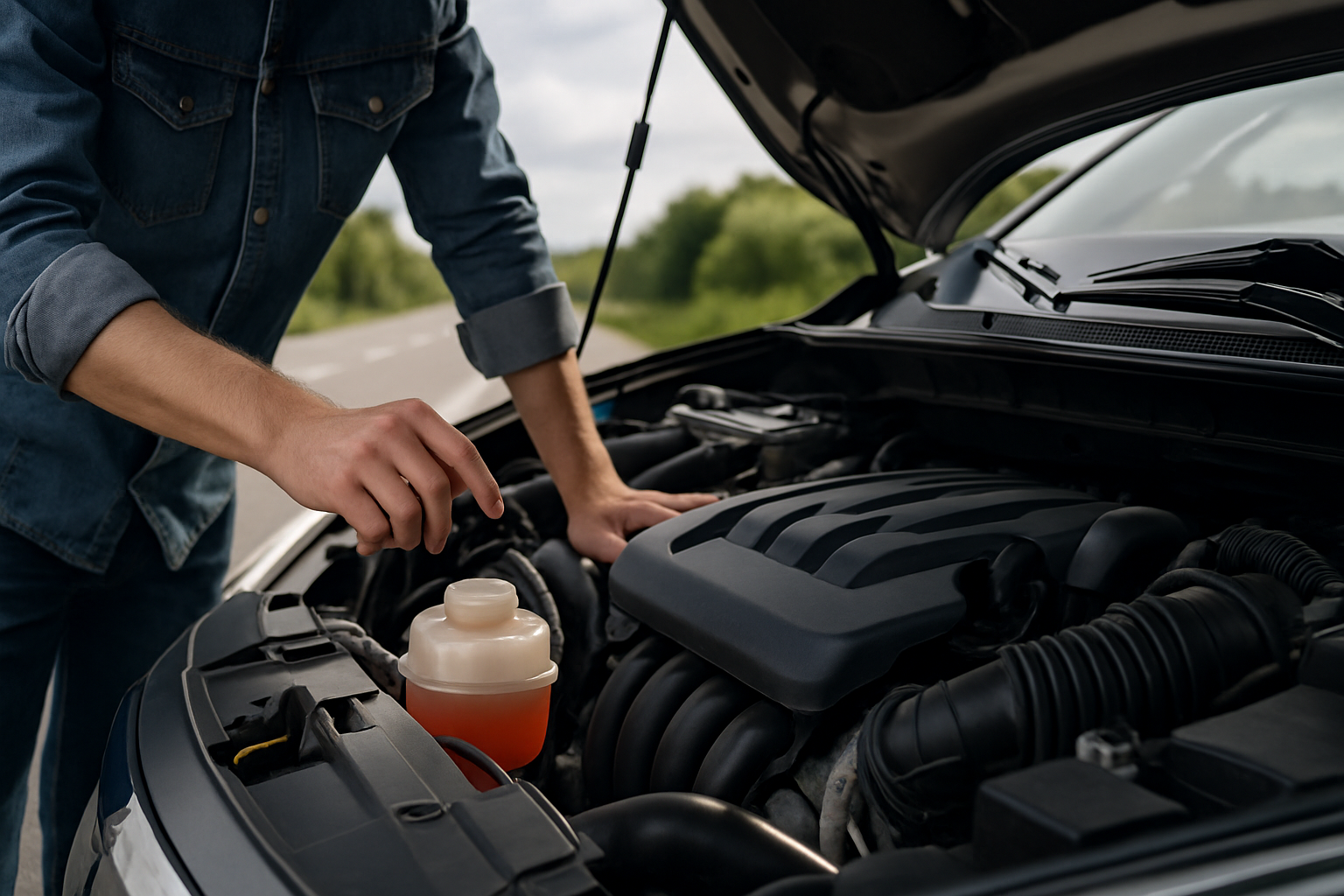
Check the coolant reservoir when the engine is cold. If it’s below the minimum line, top it up with the correct type of pre-mixed coolant.
If coolant keeps dropping, there’s a leak somewhere in the system that needs to be found and fixed.

Pre-Mixed Engine Coolant
Pre-mixed formulas eliminate guessing about the right water-to-coolant ratio and prevent mistakes that can damage your engine
Stuck Thermostat

The thermostat controls the flow of coolant between the engine and radiator. When working correctly, it stays closed until the engine warms up, allowing the coolant (and your heater) to reach operating temperature quickly.
A thermostat stuck in the open position lets coolant flow through the radiator constantly, preventing the engine from reaching full temperature.
Signs of a stuck-open thermostat include the temperature gauge sitting lower than normal, especially in cold weather, and the engine taking an unusually long time to warm up. Thermostat replacement is a relatively inexpensive repair and one of the most common fixes for weak heat.
Clogged Heater Core
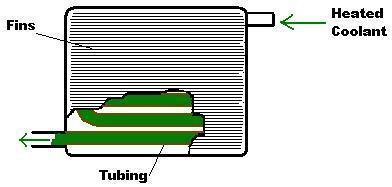
Over years of service, the heater core’s tiny internal passages can become restricted by corrosion, sediment, or old coolant deposits. A partially blocked core lets some heat through but can’t produce the full blast of hot air you expect.
You’ll notice that the heat gets worse over time rather than failing suddenly.
A heater core flush can clear minor blockages. This involves disconnecting the heater hoses and running water or a flush solution through the core until the output runs clear.
Severely clogged cores need replacement, which is unfortunately one of the more labor-intensive repairs since the heater core is buried deep behind the dashboard on most vehicles.

Heater Core Flush Kit
A good flush kit can save you hundreds in repair costs by clearing minor blockages before you need a full replacement
Blend Door Actuator Failure
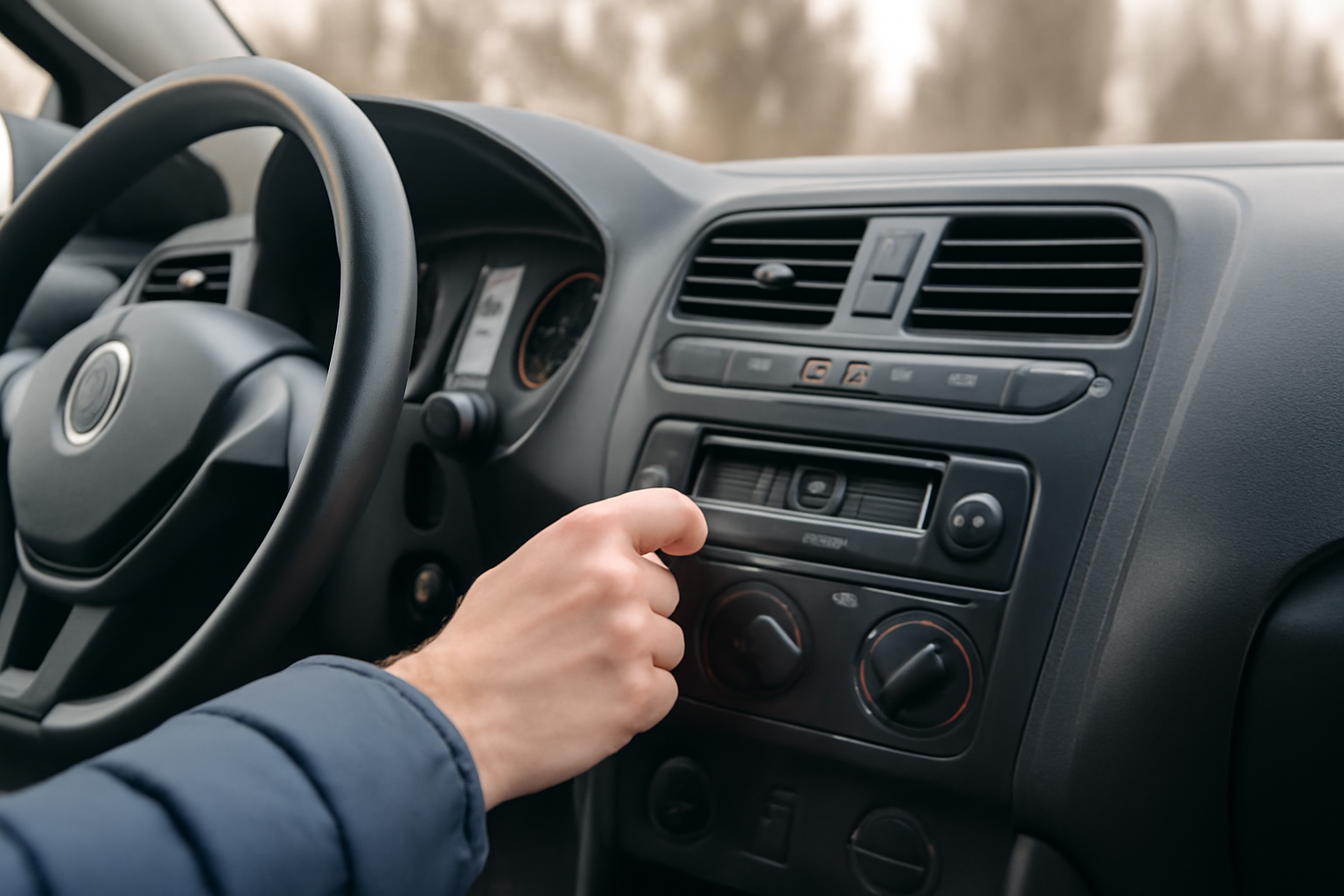
The blend door controls the mix of hot and cold air flowing through the vents. An electric actuator motor moves the door based on your temperature setting.
When this actuator fails, the door can get stuck on the cold side, sending only unheated air into the cabin even though the heater core is hot.
A common symptom is a clicking noise behind the dashboard when you change the temperature setting. The actuator is trying to move the door but the motor’s gears have stripped.
Replacement actuators are small and affordable, though accessing them behind the dash can range from simple to extremely difficult depending on the vehicle.
Air in the Cooling System
Air pockets trapped in the cooling system can prevent coolant from circulating through the heater core properly. This often happens after a coolant change, radiator replacement, or any repair that opens the cooling system.
Bleeding the air out through the bleeder valve (if equipped) or by running the engine with the radiator cap off (only on cold engines) until bubbles stop rising usually solves it.
Failing Water Pump
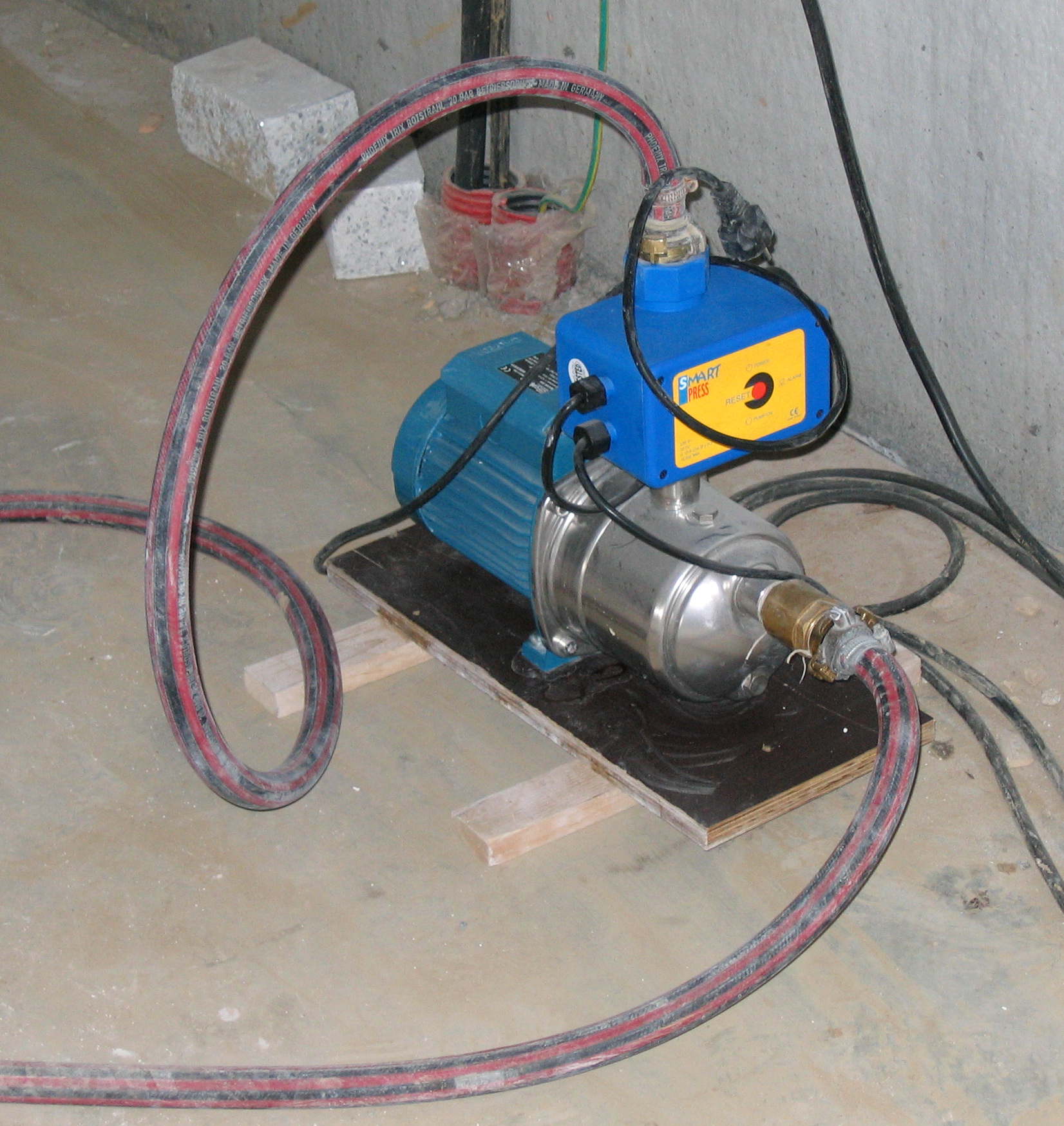
The water pump circulates coolant through the entire system, including the heater core. A pump with a worn impeller moves less coolant at idle, which means less heat when you’re sitting still.
If you notice heat improves when you rev the engine or drive faster, the water pump may be losing efficiency. Water pump failures are particularly common on certain models, like the Volkswagen Golf, where they can cause serious engine damage if not addressed.
When to Get Professional Help
Some of these repairs are straightforward for DIY mechanics, while others require specialized tools and significant dashboard disassembly. If you’re not comfortable working on cooling systems, a mechanic can diagnose the issue quickly with a pressure test and temperature checks.
Don’t let a heater problem linger too long. Beyond the discomfort, many of these issues can lead to engine overheating or expensive damage if ignored.
Frequently Asked Questions
Why does my heat only work when driving?
Heat that improves with engine speed points to low coolant, a weak water pump, or a partially clogged heater core. At higher RPMs, the water pump pushes more coolant through the system, compensating for these issues temporarily.
Check the coolant level first, then have the system pressure-tested.
Is a heater core leak dangerous?
A leaking heater core drips coolant inside the cabin, which smells sweet, fogs the windshield, and can make the carpet wet on the passenger side. Coolant is toxic, so address leaks promptly.
A severely leaking core can also cause the engine to overheat if enough coolant is lost.
Can I bypass the heater core if it’s leaking?
Yes, temporarily. Connecting the two heater hoses together with a coupling bypasses the core and stops the leak. You lose cabin heat entirely, but the engine’s cooling system continues to function.
This is a winter emergency measure, not a permanent fix.
How often should I flush my cooling system?
Most manufacturers recommend flushing the cooling system every 30,000 to 50,000 miles or every three to five years. Regular maintenance prevents the buildup that causes heater core clogs and extends the life of your entire cooling system.

Leave a Reply