
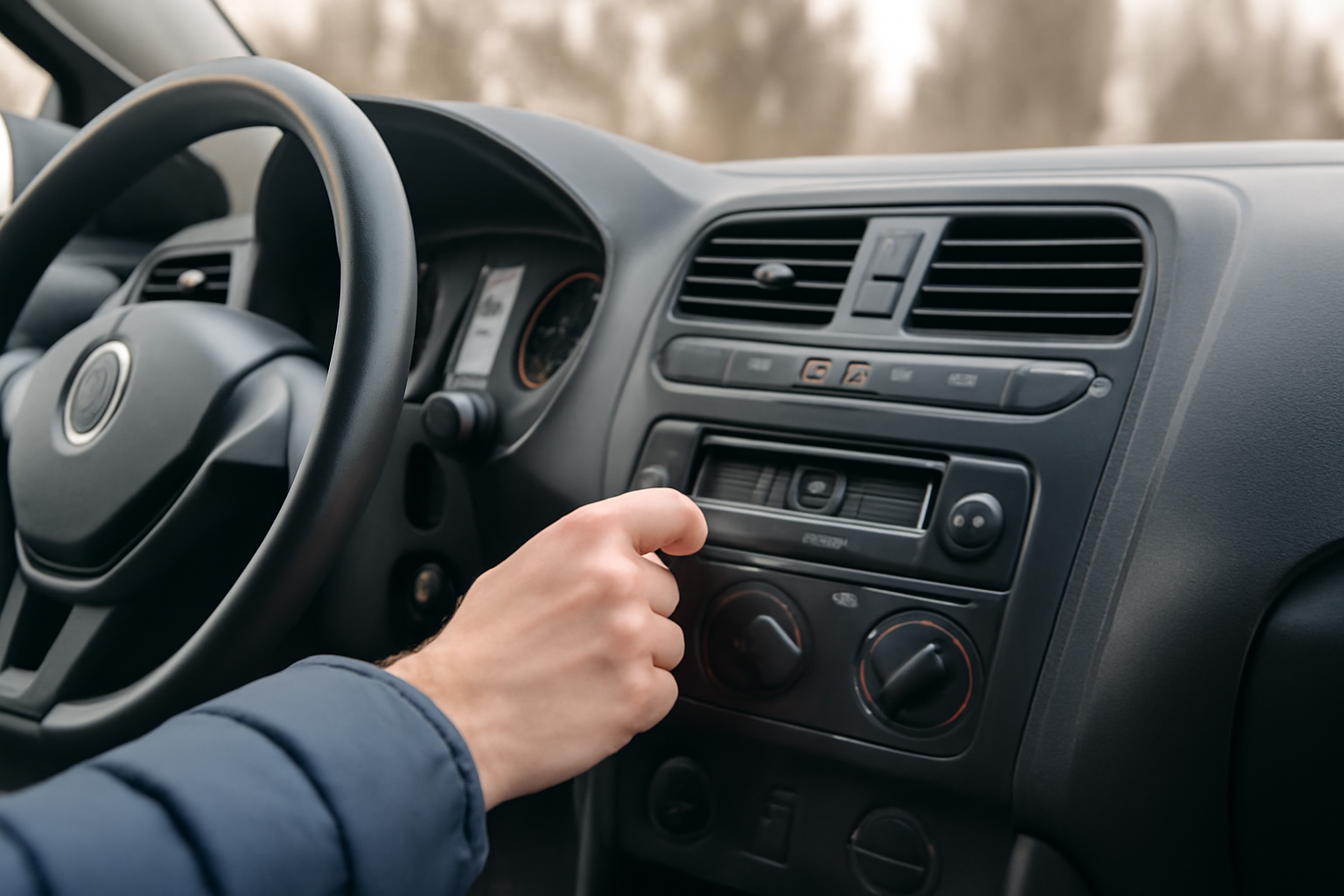
Getting into a cold car on a winter morning and finding that the heater only blows lukewarm or cold air is miserable. Your car’s heating system uses engine coolant to warm the cabin, so a heater that isn’t producing heat usually points to a cooling system problem rather than a heater-specific failure.
Low Coolant Level
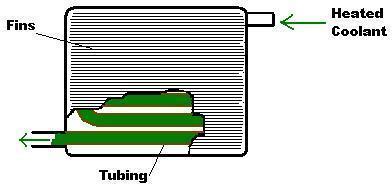
This is the first thing to check. The heater core is a small radiator behind your dashboard, and hot coolant flows through it to warm the air. If the coolant level is low, the heater core may not be getting enough flow to produce heat.
Check the coolant overflow reservoir with the engine cool. The level should be between the “min” and “max” marks. If it’s low, add the correct type of engine coolant or a 50/50 mix of coolant and distilled water.
Then look for the source of the leak, as coolant doesn’t just disappear on its own. Coolant loss often indicates a problem that needs addressing before it leads to more serious issues like engine overheating.

Engine Coolant Antifreeze
Choose the correct type for your vehicle, always use a 50/50 mix with distilled water
Thermostat Stuck Open

The thermostat regulates engine temperature by controlling coolant flow to the radiator. When it sticks open, coolant circulates continuously through the radiator, and the engine takes much longer to reach operating temperature. Since the coolant never fully warms up, the heater blows lukewarm air.
A quick diagnostic: if your temperature gauge takes unusually long to reach the middle (or never gets there), the thermostat is likely stuck open. Replacement thermostats are inexpensive, and the job is manageable for most DIY mechanics.

Car Thermostat
An affordable fix that can restore proper heating, make sure to get the correct part for your vehicle’s make and model
Clogged Heater Core
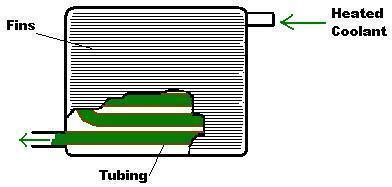
The heater core has narrow passages that can clog with rust, sediment, or degraded coolant over time. When coolant can’t flow through the core, no heat reaches the cabin. A clogged heater core often presents gradually, with heat getting weaker over several months.
You can test by feeling both heater hoses at the firewall (where they enter the cabin). Both should be hot when the engine is at operating temperature. If one hose is hot and the other is cool or barely warm, the core is restricted.
A heater core flush (running clean water backward through the core) can sometimes restore flow. If flushing doesn’t help, the core needs replacement, which is unfortunately a labor-intensive job on most vehicles because it’s buried behind the dashboard.
Blend Door Actuator
The blend door controls whether air passes over the heater core or bypasses it. If the blend door actuator fails (the electric motor that moves the door), the door may be stuck in the cold air position regardless of where you set the temperature dial.
A clicking or tapping sound behind the dashboard when you adjust the temperature is a classic sign of a failing actuator. The part itself is affordable, though access varies by vehicle.
Air Pockets in the Cooling System
Air trapped in the cooling system can prevent coolant from circulating through the heater core. This often happens after a coolant change, a radiator hose replacement, or any work that opened the cooling system. The air pocket creates a blockage that diverts coolant away from the heater core.
Bleeding the system involves running the engine with the radiator cap off (or using a coolant funnel) and squeezing the upper radiator hose to push air bubbles out. Some vehicles have a dedicated bleed screw on the thermostat housing or engine block.

Coolant Vacuum Fill Kit
Makes bleeding air from the cooling system much easier and ensures proper coolant circulation
Frequently Asked Questions
Why does my heater work at highway speeds but not at idle?
At highway speeds, the water pump circulates coolant faster, pushing enough through a partially clogged heater core to produce some heat. At idle, the slower flow can’t overcome the restriction. This points to a heater core that needs flushing or replacement.
Can a bad water pump cause no heat?
Yes. A water pump with a corroded or broken impeller can’t circulate coolant effectively, which reduces flow through the heater core. You’ll also likely see engine overheating symptoms alongside the heat problem. Similar cooling system issues can affect various vehicles, from reliable older models to newer ones.
Is a heater core leak dangerous?
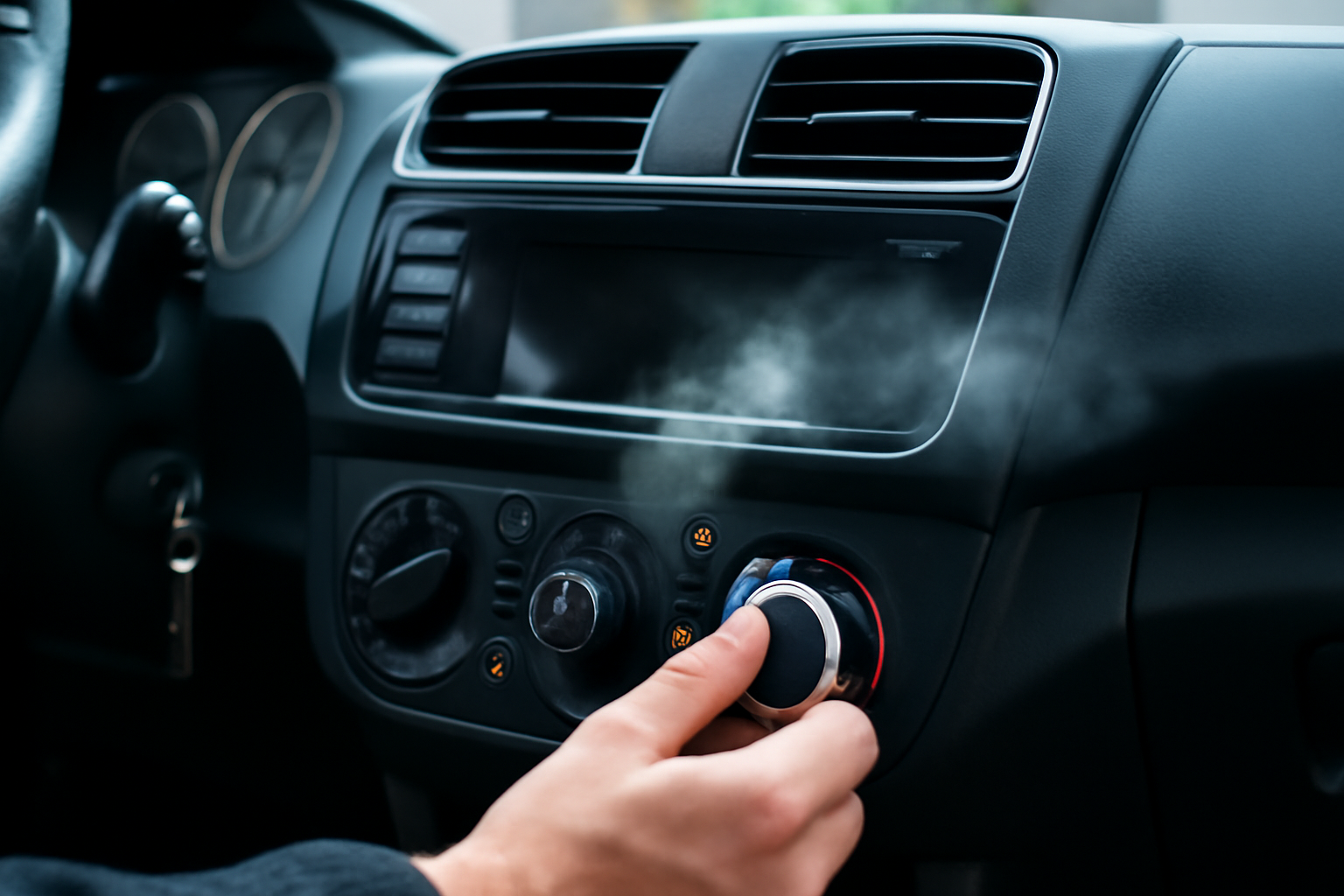
A leaking heater core releases coolant vapor into the cabin, creating a sweet-smelling fog on the windshield and potentially causing fogging that’s hard to clear. Coolant exposure isn’t healthy, and the leak will get worse. Get it repaired promptly.
How often should I replace my coolant?
Most manufacturers recommend flushing and replacing coolant every 30,000 to 50,000 miles, or every 3 to 5 years. Using old, degraded coolant is one of the main causes of heater core clogs and thermostat failures.

Leave a Reply