

Your car used to pull away from stop signs with confidence, and now it feels like it’s dragging an anchor. Sluggish acceleration can come from a dozen different systems, but most cases trace back to the engine not getting the right mix of air, fuel, or spark.
Here are the most common culprits and the simplest checks to start with.
Clogged Air Filter

The engine air filter catches dust, pollen, and debris before they enter the engine. A severely clogged filter restricts airflow, starving the engine of oxygen. Less air means less power.
This is the cheapest and easiest thing to check. Pull the filter out and hold it up to light. If you can’t see light through it, replace it. Most engines use a flat panel filter that costs very little and takes two minutes to swap.
Dirty Fuel Injectors
Fuel injectors spray a precise mist of gasoline into each cylinder. Over time, carbon deposits build up on the injector tips, disrupting the spray pattern and reducing the amount of fuel delivered. The result is a lean-running engine that hesitates and feels weak during acceleration.
A bottle of fuel system cleaner added to your gas tank can dissolve light deposits. For heavily fouled injectors, professional ultrasonic cleaning provides a more thorough result.
Using a quality fuel system cleaner every 5,000 to 10,000 miles helps prevent buildup. This is the same issue that affects many direct-injection engines, similar to carbon buildup on intake valves in the Volkswagen Golf GTI.

Fuel System Cleaner
Regular use prevents injector buildup and keeps fuel delivery optimal
Weak Fuel Pump
The fuel pump delivers gasoline from the tank to the engine at a specific pressure. A pump losing strength can deliver enough fuel at idle but fall short during hard acceleration when the engine demands more.
You might notice the car feels fine cruising but hesitates or stumbles when you floor it. A fuel pressure test at a shop confirms whether the pump is delivering adequate pressure.
Fuel pumps don’t give much warning before they fail completely, so if pressure is low, replacement before it leaves you stranded is smart.
Worn Spark Plugs
Spark plugs ignite the air-fuel mixture in each cylinder. As plugs wear, the gap between the electrodes widens and the spark becomes weaker. This causes incomplete combustion, misfires, and sluggish power delivery.
Most modern cars run iridium or platinum plugs that last 60,000 to 100,000 miles, but they still wear out eventually. Replacing spark plugs is a common DIY job on many engines. Check your manual for the recommended interval and plug type.
Failing Mass Airflow Sensor
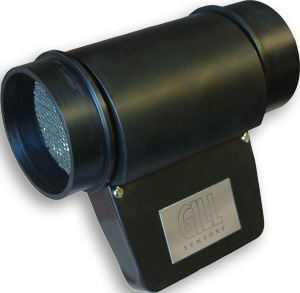
The mass airflow (MAF) sensor tells the engine computer how much air is entering the intake. If the sensor reads incorrectly, the computer adjusts fuel delivery based on bad data, causing poor performance.
A dirty MAF sensor can often be restored with MAF sensor cleaner. Don’t touch the sensor element with anything else, as it’s extremely delicate.
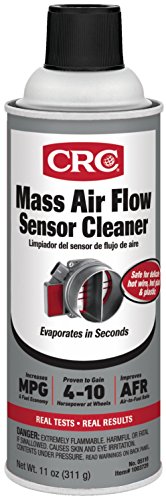
MAF Sensor Cleaner
Restores sensor accuracy without damaging delicate components
Exhaust Restrictions
A clogged catalytic converter or collapsed exhaust pipe creates backpressure that the engine has to push against. This dramatically reduces power, especially at higher RPMs.
Symptoms include a sulfur (rotten egg) smell, a rattling noise from the exhaust, and a check engine light with catalyst efficiency codes. Catalytic converter theft has become increasingly common, which is why Toyota Prius owners need proper protection solutions.
Transmission Issues
If the engine revs freely but the car doesn’t accelerate proportionally, the transmission may be slipping. Automatic transmissions rely on fluid pressure to engage gears. Low or degraded transmission fluid, worn clutch packs, or a failing torque converter all cause slipping.
Check the transmission fluid level and condition. Healthy fluid is red or pink and doesn’t smell burnt. Dark, brown fluid with a burnt smell indicates internal wear.
Regular transmission maintenance can prevent many of these issues. For DSG transmissions specifically, proper service intervals are critical, as detailed in our Volkswagen GTI DSG transmission maintenance guide.
Frequently Asked Questions
Can bad gas cause sluggish acceleration?
Yes. Contaminated or old fuel can cause hesitation and poor performance. If sluggishness started right after filling up at an unfamiliar station, bad fuel is possible.
Add a fuel stabilizer and fill up with fresh premium fuel from a busy, reputable station to dilute the bad batch.
Should I check the throttle body?
A dirty throttle body restricts airflow and causes rough idle and sluggish response. Cleaning it with throttle body cleaner takes about 15 minutes and can noticeably improve throttle response.
Check this after the air filter and MAF sensor.
How do I know if it’s the engine or transmission?
Listen to the engine RPMs during acceleration. If the engine revs up normally but the car doesn’t speed up accordingly, the transmission is likely slipping.
If the engine itself struggles to rev and feels bogged down, the problem is in the engine’s air, fuel, or ignition system. This type of engine hesitation during acceleration has specific troubleshooting steps you can follow.
What if I’ve checked everything and still have sluggish acceleration?
Other potential causes include a failing oxygen sensor, exhaust gas recirculation (EGR) valve problems, low engine compression, or computer module issues. At this point, professional diagnostics with a quality scan tool can pinpoint the exact fault code and system involved.




Leave a Reply