

Turning on your AC in the middle of summer and getting lukewarm air is miserable. Most AC problems fall into a handful of common categories, and some are things you can check yourself before booking a shop visit.
1. Low Refrigerant
Low refrigerant is the most frequent cause of weak cooling. Car AC systems are sealed, so if refrigerant is low, there’s a leak somewhere. Small leaks can take months or years to become noticeable, which is why the AC might work fine in spring and fail by August.
An AC recharge kit with a pressure gauge lets you check the system pressure and add refrigerant yourself. If the system needs recharging more than once in a season, you have a leak that needs professional attention. Repeated recharging without fixing the leak wastes money and releases refrigerant into the atmosphere.

Car AC Recharge Kit
Essential for DIY pressure testing and quick refrigerant top-ups
2. Clogged Cabin Air Filter

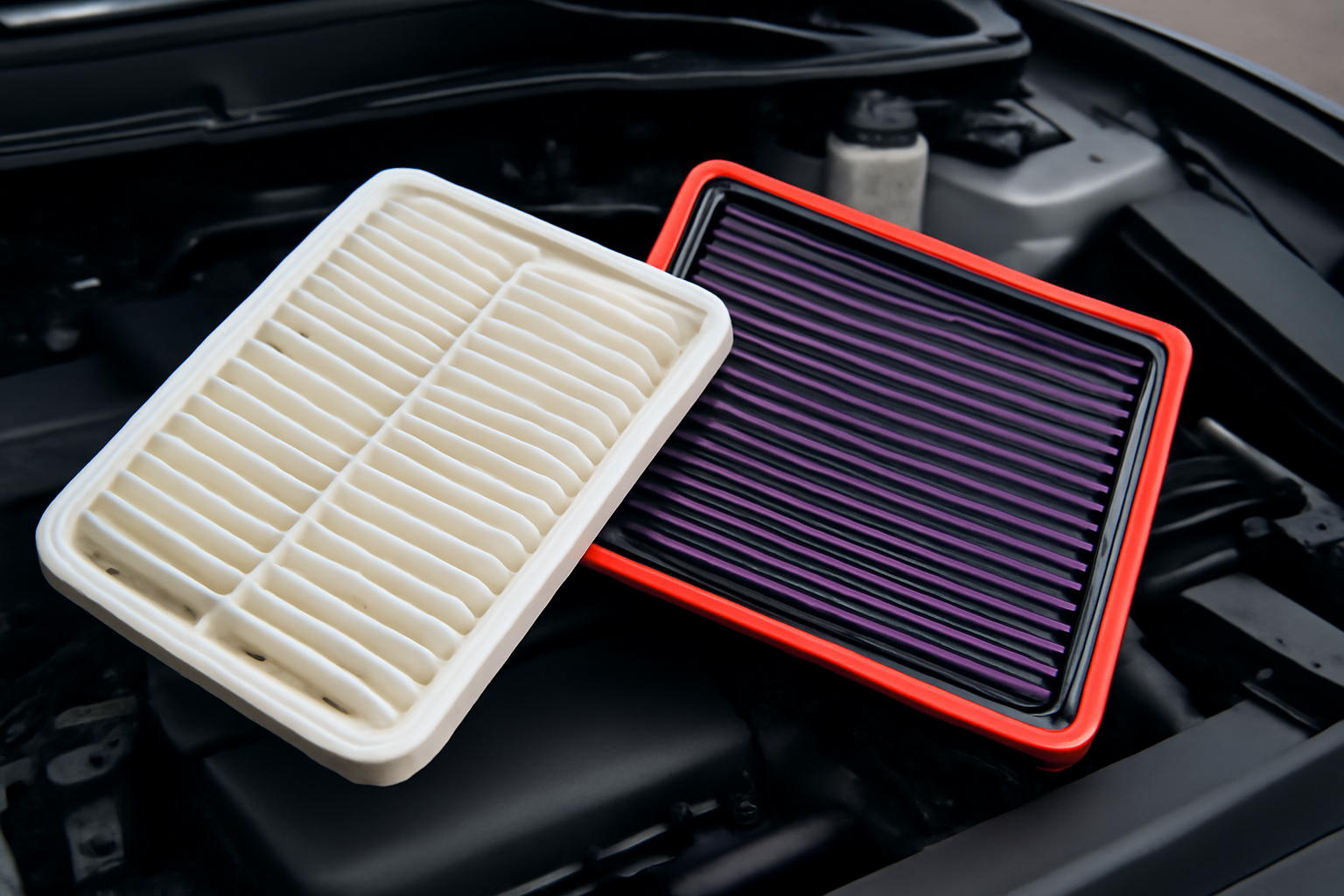
Your cabin air filter cleans the air flowing through your vents. When it’s clogged with dust, pollen, and debris, airflow drops dramatically. The AC might be making cold air, but not enough of it reaches the cabin.
Replacing the cabin air filter takes 5-10 minutes on most cars. It’s usually behind the glove box or under the dashboard. Replace it every 15,000-20,000 miles, or more often if you drive in dusty areas. You’ll notice better airflow and fresher-smelling air immediately.
3. Compressor Failure
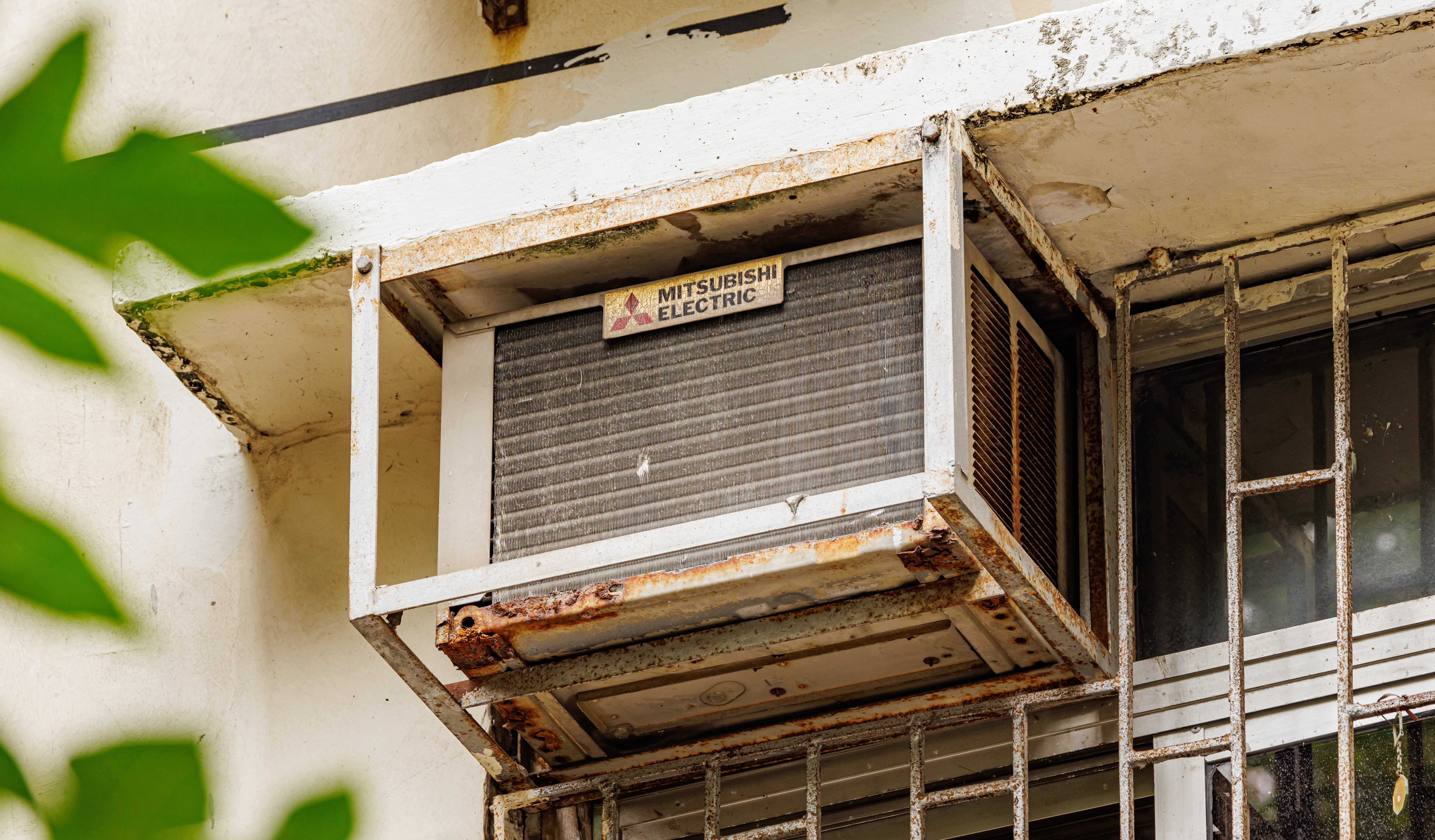
The AC compressor is the heart of the system. It pressurizes refrigerant and circulates it through the system. When it fails, there’s no cooling at all.
Signs of compressor failure include a loud clunking noise when the AC engages, the compressor clutch not engaging (the center of the pulley doesn’t spin), or no change in air temperature regardless of settings.
Compressor replacement is one of the more expensive AC repairs and typically requires a professional. The system needs to be evacuated, the compressor swapped, and the system recharged with the correct amount of refrigerant.
4. Electrical Issues
Blown fuses, faulty relays, or damaged wiring can prevent the compressor from engaging even though the rest of the system is fine. Check the AC compressor fuse and relay in your fuse box. A quick swap test with a matching relay can rule this out in minutes.
A failing pressure switch can also shut the compressor down as a safety measure. The switch monitors system pressure and cuts power if it detects a problem. These are relatively inexpensive to replace.
5. Blend Door Actuator
The blend door controls whether air passes through the heater core or the evaporator. If the actuator that moves this door fails, it can get stuck on heat, sending warm air through the vents even though the AC is running and cold. You might hear a clicking noise behind the dashboard when you change temperature settings.
Blend door actuators are small electric motors that attach to the HVAC box behind the dash. Replacing them ranges from simple to labor-intensive depending on the vehicle. On some cars, it’s a 30-minute job. On others, the entire dashboard needs to come out.
6. Condenser Problems
The condenser sits in front of your radiator and cools the hot, compressed refrigerant. If it’s blocked by leaves, bugs, or debris, it can’t dissipate heat properly, and cooling suffers. Inspect the condenser from the front of the car (you may need to remove a splash guard to see it clearly) and rinse off any debris with a garden hose.
A leaking or damaged condenser requires replacement. Road debris puncturing the thin fins is common, especially on vehicles with low front ends. If you’ve noticed your car overheating with AC on, a blocked or failing condenser could be the culprit.
When to See a Specialist
AC systems operate under high pressure and contain chemicals that require proper handling. If recharging and checking the cabin filter don’t solve the problem, take the car to a shop with proper AC diagnostic equipment. They can perform a leak test, check compressor function, and verify that the system holds correct pressure.
Keeping up with basic maintenance like air filter replacements can prevent many AC issues. Regular upkeep is especially important if you’re planning to keep your vehicle long-term, just like with the best used cars under competitively priced that will last 200,000 miles.
Frequently Asked Questions
Can I just keep recharging the AC instead of fixing the leak?
Technically yes, but it’s wasteful and increasingly expensive. More importantly, moisture entering the system through the leak can damage the compressor and other components over time. Fix the leak once and you’re done.
Why does my AC blow cold at first then warm up?
This often indicates a system that’s slightly low on refrigerant. The AC works initially but can’t maintain pressure as the system heats up. It can also point to a failing expansion valve or compressor that’s losing efficiency under sustained load.
Is it normal for AC to smell bad when I first turn it on?
A musty smell when the AC starts usually means mold or bacteria growing on the evaporator. An evaporator cleaner sprayed into the intake vent can help. Replacing the cabin air filter and running the fan on high without AC for a few minutes after parking helps prevent moisture buildup.



Leave a Reply