
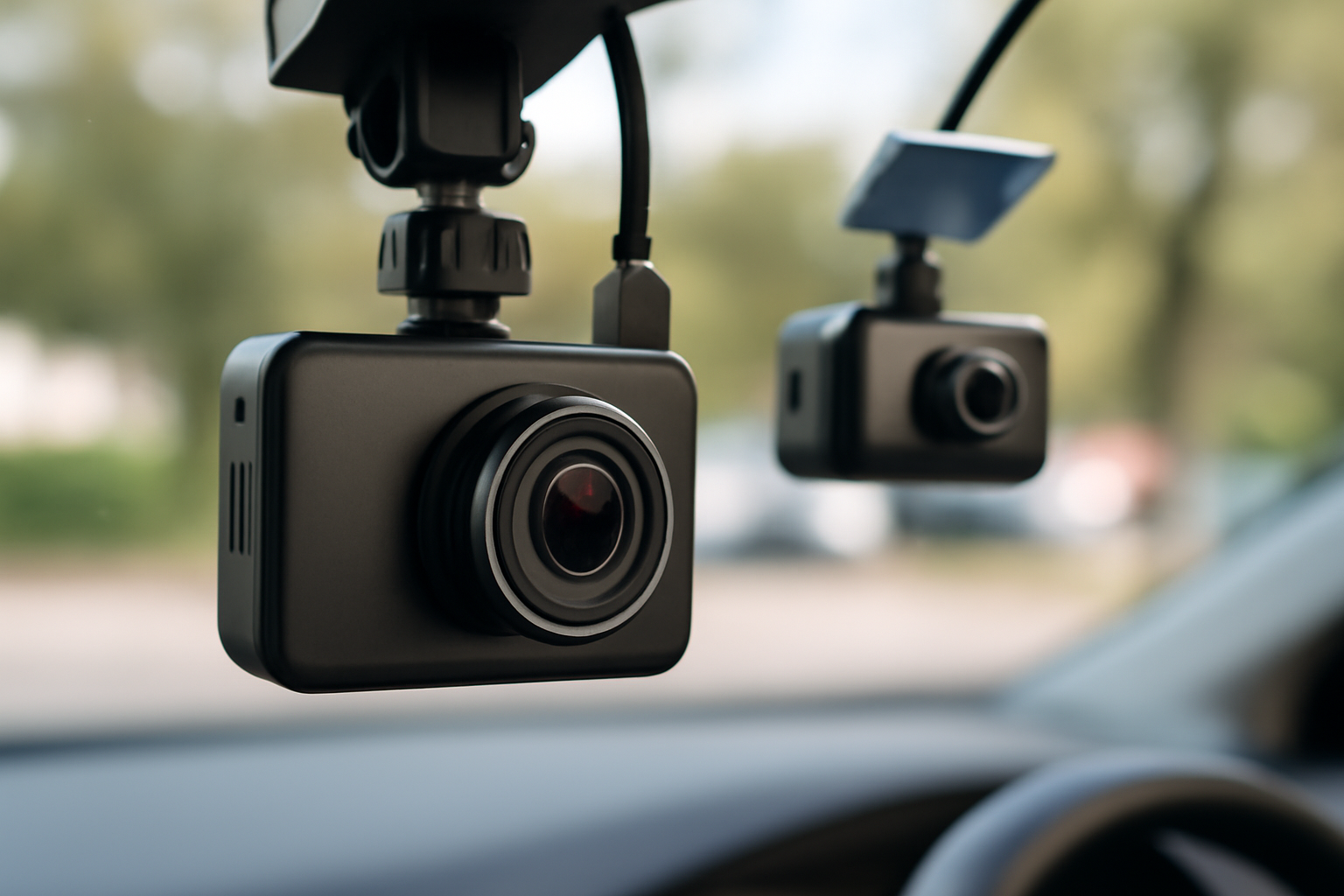
A dash cam is cheap insurance. If someone runs a red light and hits you, if a road rage incident escalates, or if you need to dispute a parking lot ding, video evidence settles arguments fast. Insurance companies and police take dash cam footage seriously, and in 2026, there’s no reason to drive without one. The cameras worth owning all cost less than a tank of gas for most trucks.
Here are the best dash cams you can buy for under competitively priced, with a focus on the specs that actually matter for real-world use.
What Resolution Do You Actually Need?
Marketing loves to push 4K dash cams, but for insurance claims and police reports, 1080p at 30fps is the baseline that captures readable license plates at reasonable distances (about 15 to 20 feet). 1440p (2K) is the sweet spot, offering noticeably sharper plates without the massive file sizes of 4K.
If you’re choosing between a 4K front-only cam and a 1080p front-and-rear setup at the same price, take the dual camera. Rear-end collisions and backing incidents are extremely common, and having rear coverage doubles your protection.
Best Front-Only Dash Cams
Viofo A119 Mini 2
The Viofo A119 Mini 2 shoots 2K resolution with a Sony STARVIS sensor for excellent night performance. The ultra-compact design is almost invisible behind your rearview mirror, and the built-in GPS logs your speed and location for each clip. It uses a capacitor instead of a battery, which handles extreme heat better (important if you park in the sun).
Wi-Fi connectivity lets you transfer clips to your phone without removing the SD card. The Viofo app works well on both iOS and Android. This is the best front-only cam under competitively priced if image quality is your priority.

Viofo A119 Mini 2
Top choice for 2K resolution with Sony STARVIS sensor and excellent night performance
Garmin Dash Cam Mini 2
Garmin’s Mini 2 is tiny (about the size of a car key) and focuses on simplicity. It records 1080p with a 140-degree field of view, connects to the Garmin Drive app for clip management, and offers voice control for saving clips hands-free. Build quality is excellent, and the Garmin brand means reliable firmware updates.
The trade-off is that 1080p is its maximum resolution, and night performance doesn’t match the Viofo’s Sony sensor. If you want a set-and-forget cam that disappears behind the mirror, the Garmin Mini 2 is a solid choice.
Best Front and Rear Dash Cams
Viofo A129 Duo
The A129 Duo gives you front (1080p) and rear (1080p) coverage with the same Sony STARVIS sensor quality Viofo is known for. Both cameras deliver solid night footage, and the rear camera’s cable runs cleanly along the headliner to the back window. GPS, Wi-Fi, and parking mode are all included.
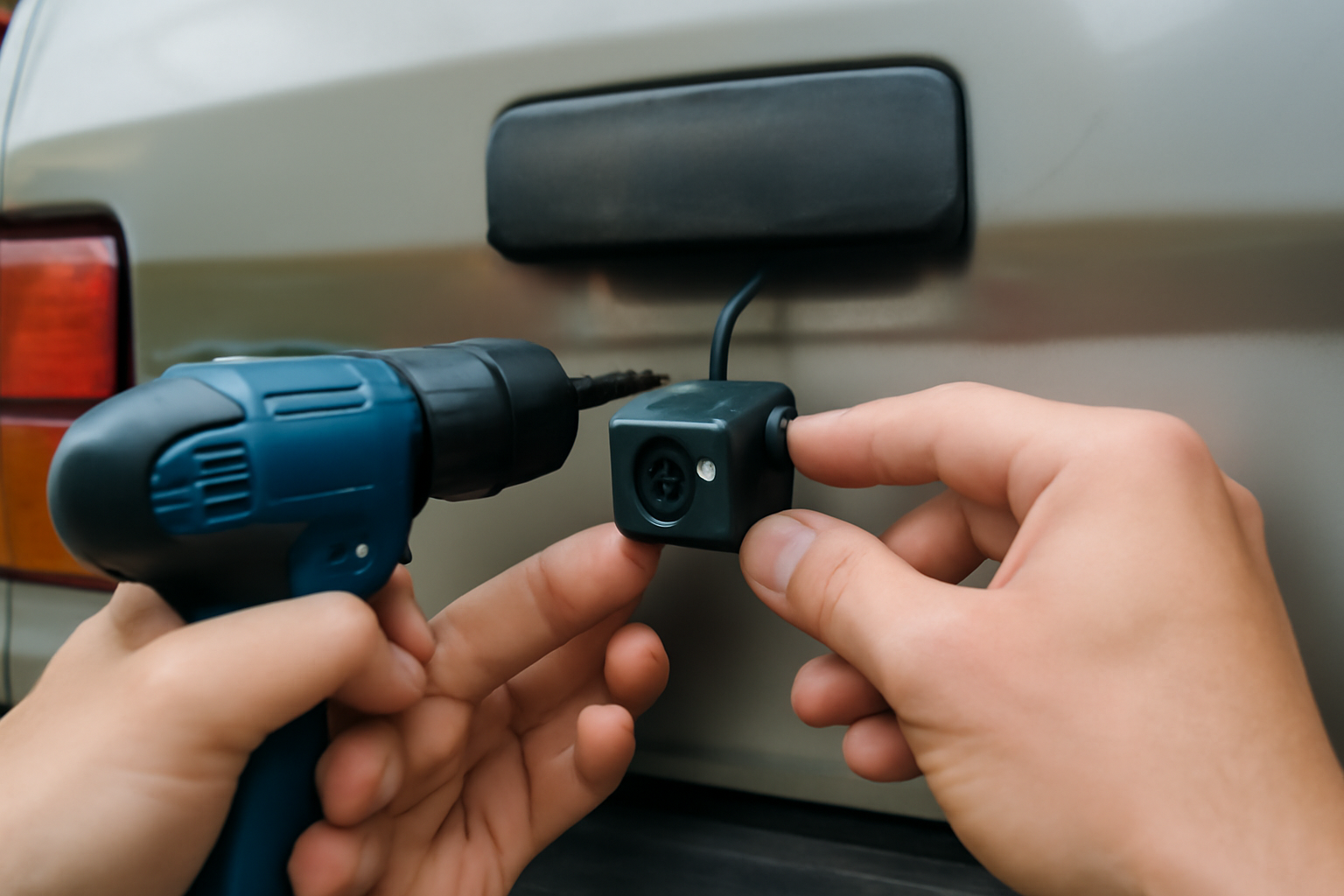
This is the best dual-camera value under competitively priced. The only downside is that installing the rear camera takes some patience to route the cable neatly, but it’s a one-time job.

Rexing V1P 3rd Gen
The Rexing V1P offers front (2K) and rear (1080p) recording with a 170-degree wide-angle front lens. The wider field of view captures more of the road, which is useful at intersections. The built-in display makes it easy to review footage on the spot without a phone connection.
Rexing’s parking mode uses motion detection to start recording if someone hits your parked car. Night quality is decent but not as strong as the Viofo’s Sony sensor. If you want a wider viewing angle and a built-in screen, it’s a competitive alternative.
Vantrue N1 Pro 2
The Vantrue N1 Pro 2 records 2K front footage and supports an optional rear camera add-on. It features a Sony STARVIS 2 sensor for improved low-light performance and includes both a supercapacitor (for extreme heat) and GPS. The 2.45-inch IPS display is easy to read, and the loop recording handles SD card management automatically.
Features That Matter vs. Marketing Fluff
Loop recording: Essential. The camera records in short clips (1, 3, or 5 minutes) and overwrites the oldest footage when the SD card fills up. Every decent cam has this.
G-sensor (impact detection): When the camera detects a sudden acceleration event (crash, hard brake, pothole), it locks that clip from being overwritten. Make sure the sensitivity is adjustable; some cams trigger on every speed bump.
Parking mode: Records when your car is parked and detects motion or impact. This requires either a hardwire kit (wired to a constant power source) or a dedicated dash cam battery pack. Most included cigarette lighter cables only power the cam when the ignition is on.
Heat resistance: Cameras with capacitors instead of lithium batteries handle dashboard temperatures better. In hot climates, this matters significantly for longevity. This is especially important if you’re storing your vehicle in warm conditions for extended periods.
SD card quality: Use a high-endurance micro SD card rated for continuous recording. Regular SD cards fail quickly under the constant write/rewrite cycle of a dash cam. Samsung PRO Endurance and SanDisk High Endurance are the go-to choices.
Frequently Asked Questions
Does dash cam footage hold up in court or with insurance?
Yes. Dash cam footage is widely accepted by insurance adjusters and can be submitted as evidence in court. Make sure your cam records with a date/time stamp enabled and, ideally, GPS data showing speed and location. Clear, timestamped footage dramatically strengthens your claim. Just as dash cam evidence can protect you from false claims, understanding your insurance policy helps you know what coverage you have.
Will a dash cam drain my battery?
Not during normal use. When plugged into the cigarette lighter, the cam only runs when the car is on. Parking mode requires a hardwire kit with a voltage cutoff that shuts the camera down before the battery drops too low to start the car. A quality hardwire kit includes this protection.
How large of an SD card do I need?
For a single 1080p camera, a 64GB card holds about 8 hours of footage before looping. For a dual camera setup or 2K resolution, go with 128GB or 256GB. Larger cards mean more footage is preserved before old clips are overwritten.
Are dash cams worth it for new drivers?
Absolutely. Dash cams are particularly valuable for new teenage drivers who may be more vulnerable to false accident claims or who can benefit from reviewing their own driving habits. The protection they offer is worth far more than the modest investment.
This article contains affiliate links. We may earn a small commission at no extra cost to you.


Leave a Reply