
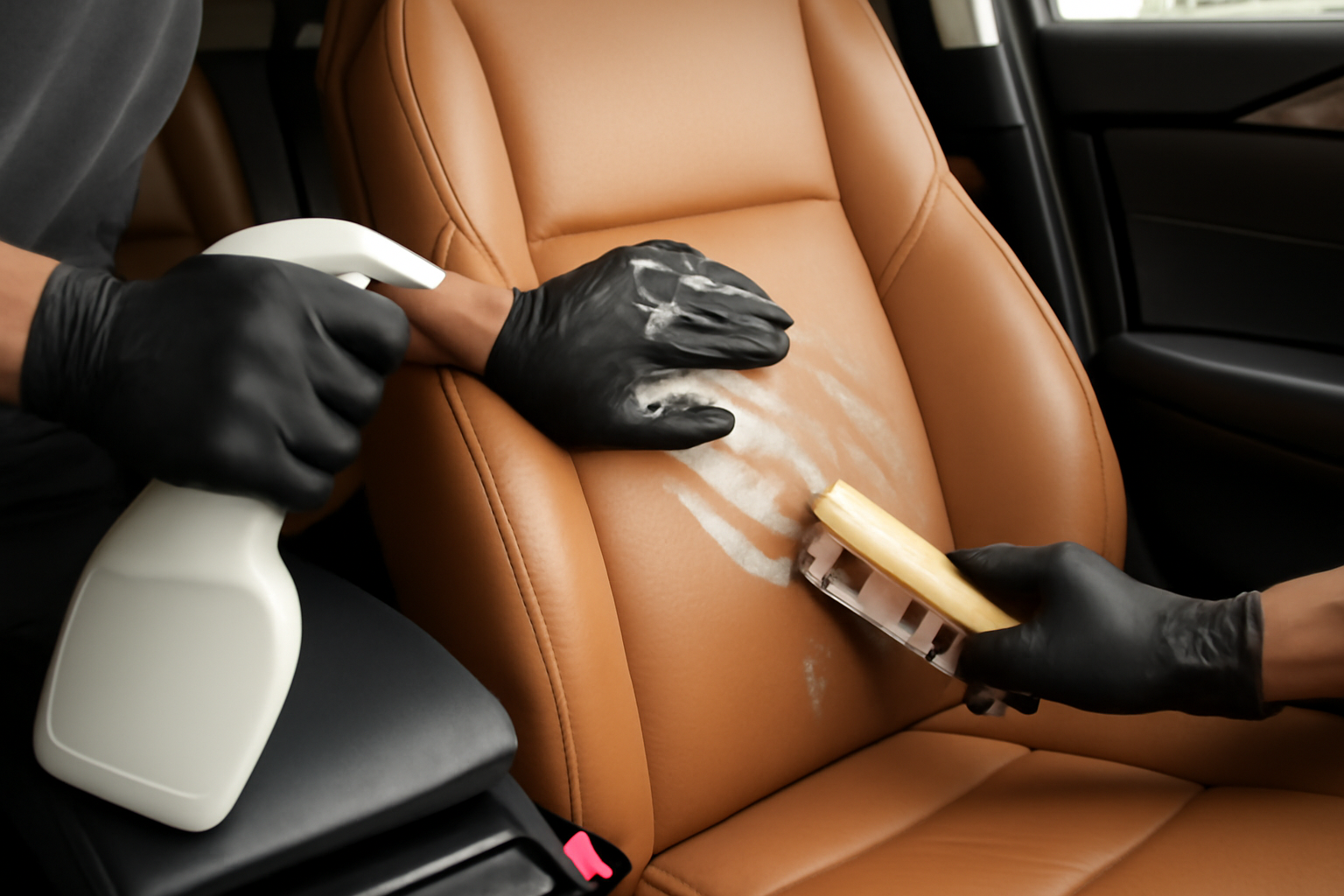
Leather seats add a premium feel to any vehicle, but they need regular care to stay soft, supple, and crack-free. Unlike fabric seats that you can machine-wash cover sets for, leather requires specific products and techniques to avoid drying, staining, or damaging the finish.
Whether you drive a truck that holds its value or a budget-friendly daily driver, proper leather maintenance protects your investment and keeps your interior looking great.
Cleaner vs. Conditioner: Know the Difference
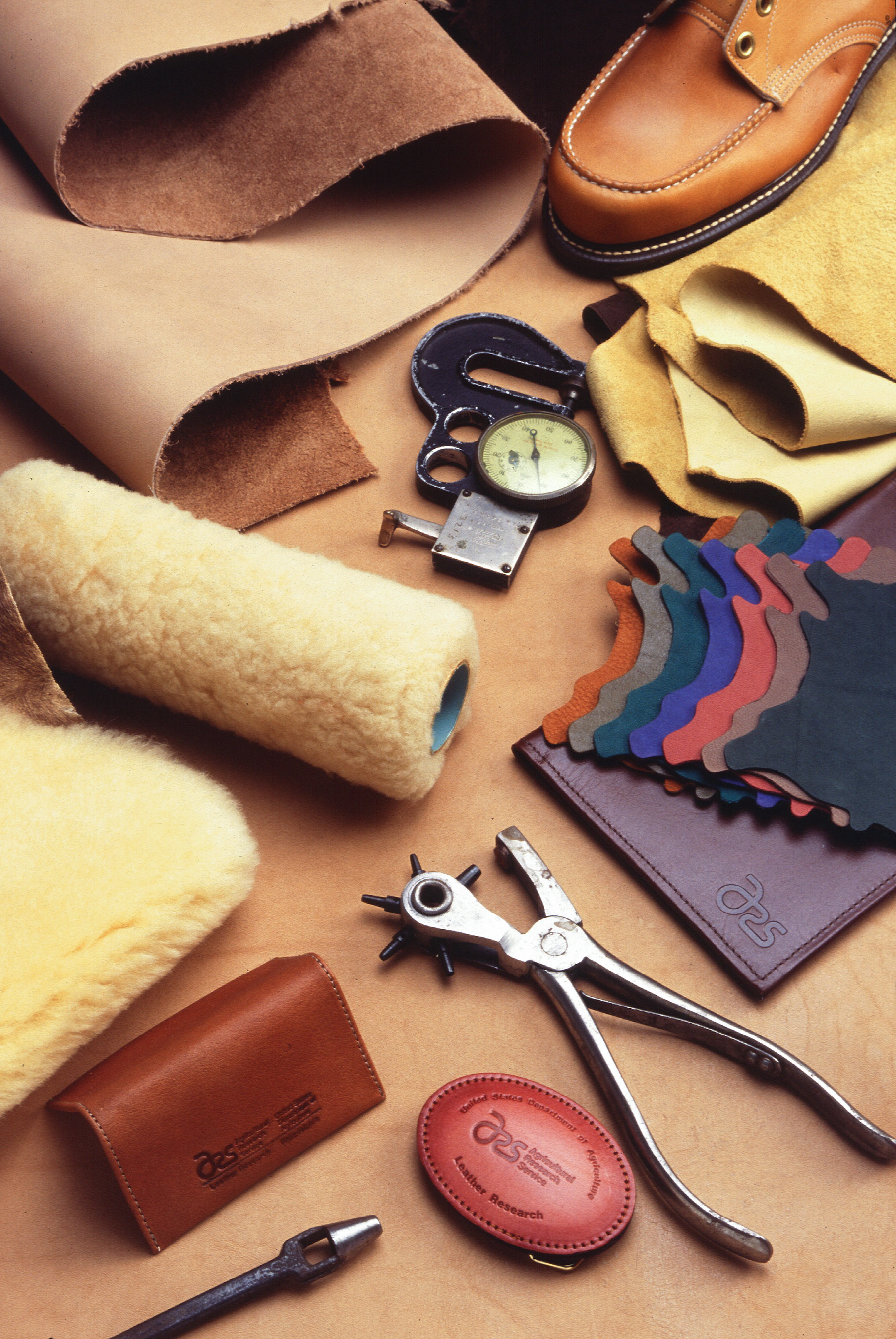
Leather cleaner removes dirt, oils, and stains from the surface. Leather conditioner replenishes the natural oils that keep the material flexible and prevents cracking. You need both, and using them in the right order matters.
Always clean first, then condition. Applying conditioner over a dirty surface traps grime and can lead to discoloration. A quality leather cleaner and conditioner kit is a worthwhile investment that lasts through many cleaning sessions.
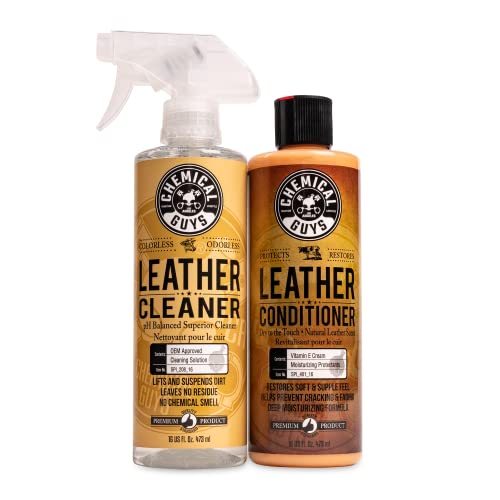
Leather Cleaner and Conditioner Kit
A two-step system that includes both pH-balanced cleaner and UV-protection conditioner for complete leather care
Step-by-Step Cleaning Process
Vacuum First
Remove loose dirt, crumbs, and debris with a vacuum before applying any liquid. Pay attention to the seams and crevices where grit accumulates. Cleaning over debris grinds particles into the leather surface, causing scratches.
Apply Cleaner
Spray leather cleaner onto a microfiber cloth (not directly onto the seat) and work it into the leather using gentle circular motions. Focus on high-contact areas like the bolsters, headrests, and armrests where body oils and sweat accumulate most heavily.
For stubborn stains, let the cleaner sit for 30 seconds before agitating gently with a soft-bristled brush. A dedicated leather cleaning brush works best, but a soft toothbrush handles tight spots around stitching and perforations.
Wipe Clean
Use a clean, damp microfiber cloth to wipe away the cleaner and loosened dirt. Flip the cloth frequently to avoid spreading grime back onto the clean surface.
Apply Conditioner
After the seats are clean and dry, apply a thin layer of leather conditioner with a fresh microfiber cloth. Work it into the surface using straight, even strokes. Don’t over-apply; a thin coat absorbs fully and doesn’t leave a greasy residue.
Let the conditioner absorb for 10 to 15 minutes, then buff lightly with a dry microfiber towel to remove any excess.

Microfiber Cleaning Cloths
Soft, lint-free cloths that won’t scratch leather and can be washed and reused dozens of times
Dealing with Common Stains
Ink
Dab (don’t rub) the stain with rubbing alcohol on a cotton swab. Work from the outside of the stain inward to prevent spreading. Follow with cleaner and conditioner once the ink lifts.
Food and Drink
Blot spills immediately with a clean cloth. Apply leather cleaner and agitate gently. Coffee and soda stains respond well to prompt cleaning. Old stains may require multiple cleaning sessions.
Dye Transfer
Dark denim and dyed fabrics can transfer color to light-colored leather. A dedicated leather dye remover works for fresh transfers. Old dye stains are extremely difficult to remove and may require professional treatment.
Protecting Leather from Sun Damage
UV radiation is leather’s worst enemy. It dries out the material, fades the color, and accelerates cracking. Park in the shade or use a windshield sunshade whenever possible. Leather conditioners with UV protection provide an additional layer of defense against sun damage.
Tinted windows reduce UV exposure to interior surfaces by up to 99%, depending on the tint level. Even a light tint makes a significant difference in leather preservation over the life of the vehicle.
This matters especially if you’re maintaining a vehicle long-term, like those reliable cars built to last 200,000 miles.
Frequently Asked Questions
How often should I clean and condition leather seats?
Clean and condition every 2 to 3 months for daily drivers. If you park in direct sun regularly or live in a dry climate, monthly conditioning helps prevent premature drying and cracking.
Can I use household cleaners on leather?
Avoid household cleaners, dish soap, and all-purpose sprays. They strip natural oils from the leather and can damage the protective coating. Use only pH-balanced products formulated specifically for automotive leather.
Is perforated leather harder to clean?
Slightly. The perforations can trap dirt and cleaning product. Use less liquid and avoid soaking the surface. A soft brush helps work cleaner out of the perforations. Avoid pushing debris deeper into the holes.
Should I condition brand new leather seats?
Yes, but not immediately. New leather from the factory has some protection, but adding your own conditioner after the first month helps maintain suppleness. This applies whether you bought a budget first car or a luxury vehicle with premium leather.
This article contains affiliate links. We may earn a small commission at no extra cost to you.
Leave a Reply