
Eco driving isn’t about crawling along at 45 mph in the right lane. It’s a set of techniques that reduce fuel consumption by 10% to 25% without making your commute miserable. Professional drivers and fleet operators have used these methods for decades, and they work just as well in your daily driver.
Smooth Acceleration
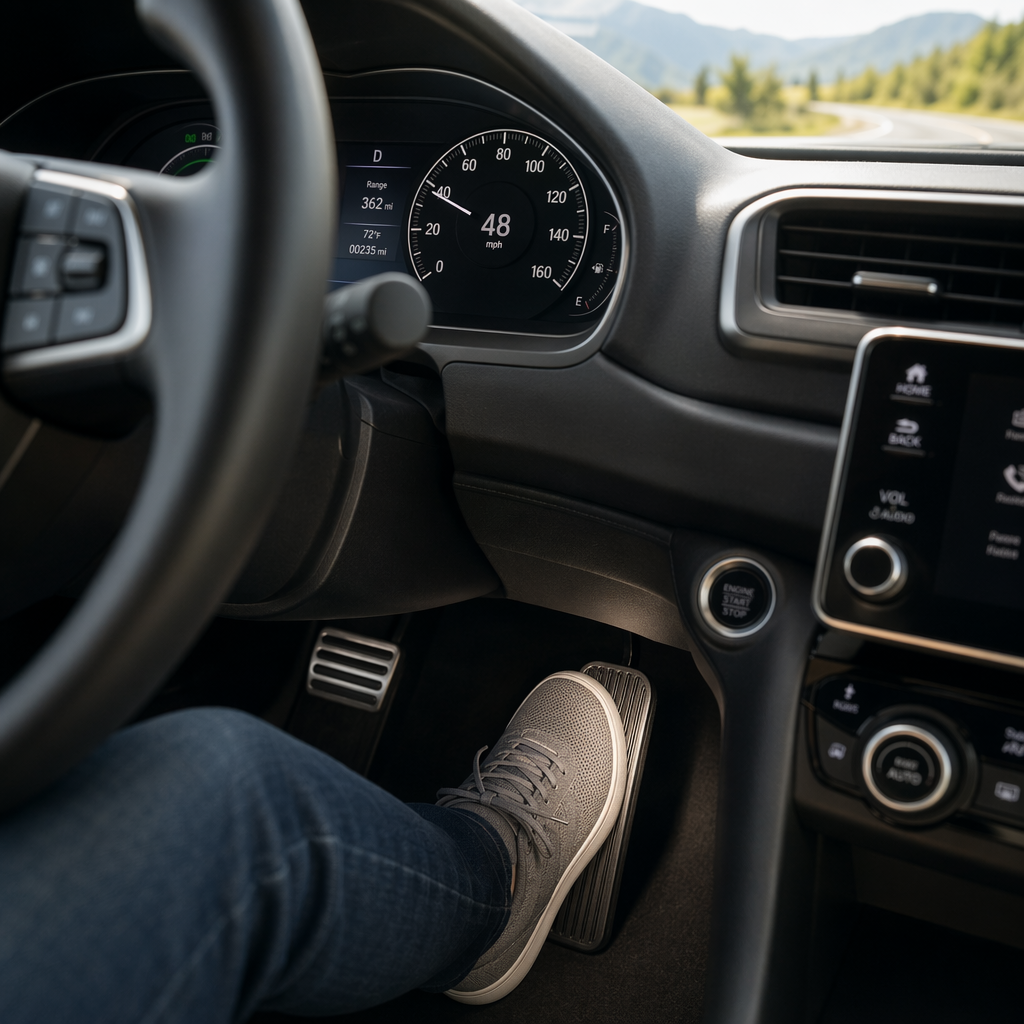
Aggressive launches from stop lights burn fuel at an alarming rate. Instead of flooring it when the light turns green, accelerate at a moderate, steady pace. Aim to reach cruising speed gradually over 15 to 20 seconds rather than 5 to 8 seconds.
For vehicles with a tachometer, keeping RPMs below 3,000 during acceleration is a good benchmark for fuel-efficient driving. Automatic transmissions will upshift sooner at lighter throttle inputs, keeping the engine in its most efficient range.
Anticipate Traffic Flow
Watch the road 10 to 15 seconds ahead and react to changing conditions early. If a traffic light turns red in the distance, lift off the gas immediately and coast toward it. You might not even need to brake if you time it right. Every time you brake, you’re converting fuel energy into wasted heat.
Maintaining momentum is the core principle of eco driving. It takes far more fuel to accelerate from a dead stop than to maintain a rolling speed, even a slow one.
Optimal Speed and Gear Selection
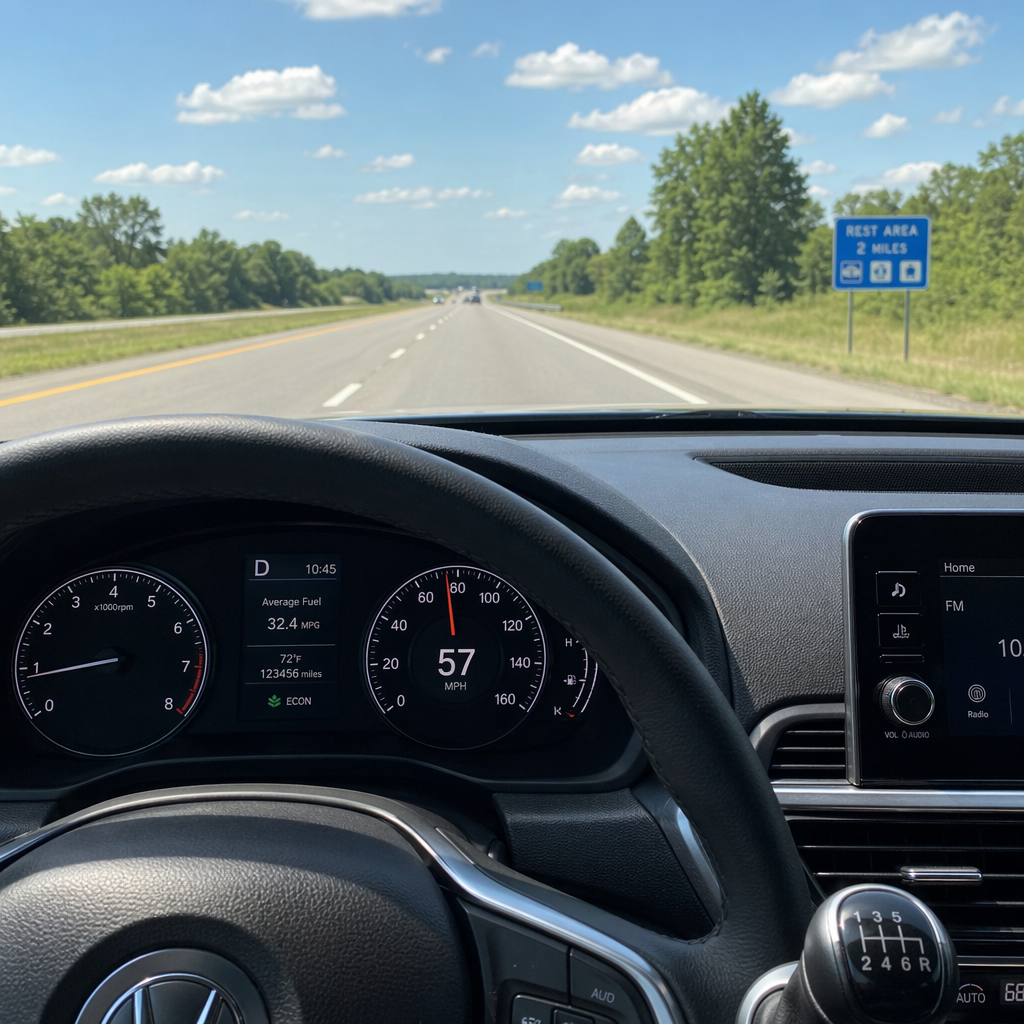
Fuel economy drops significantly above 50 mph due to aerodynamic drag. At 70 mph, your engine works roughly 20% harder to overcome wind resistance compared to 55 mph. On highways where the speed limit permits, cruising at 60 to 65 mph instead of 75 mph makes a noticeable difference at the pump.
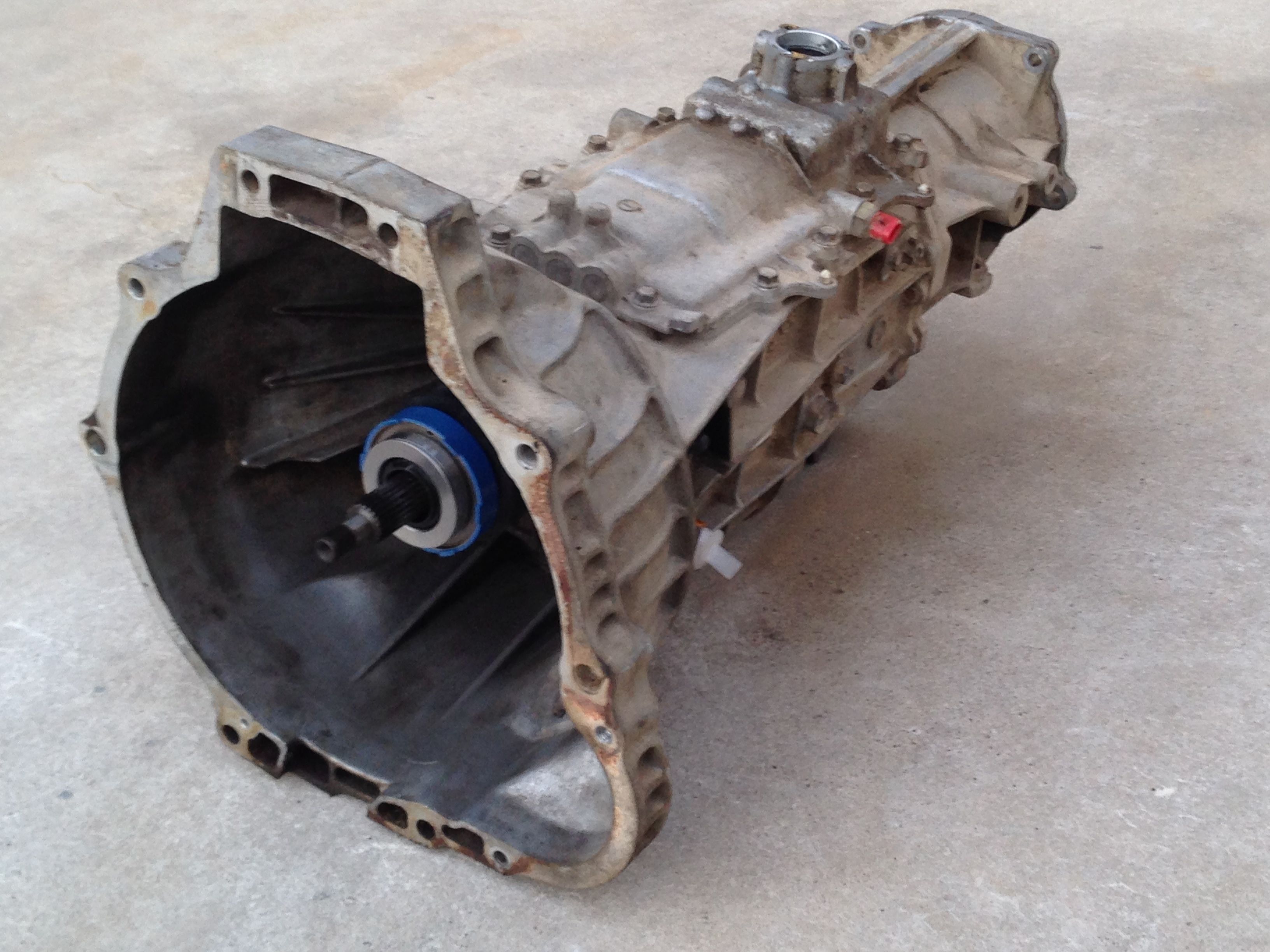
In a manual transmission vehicle, shift up as early as possible without lugging the engine. Higher gears at lower RPMs use less fuel. Most engines run most efficiently between 1,500 and 2,500 RPM.
Reduce Drag and Weight
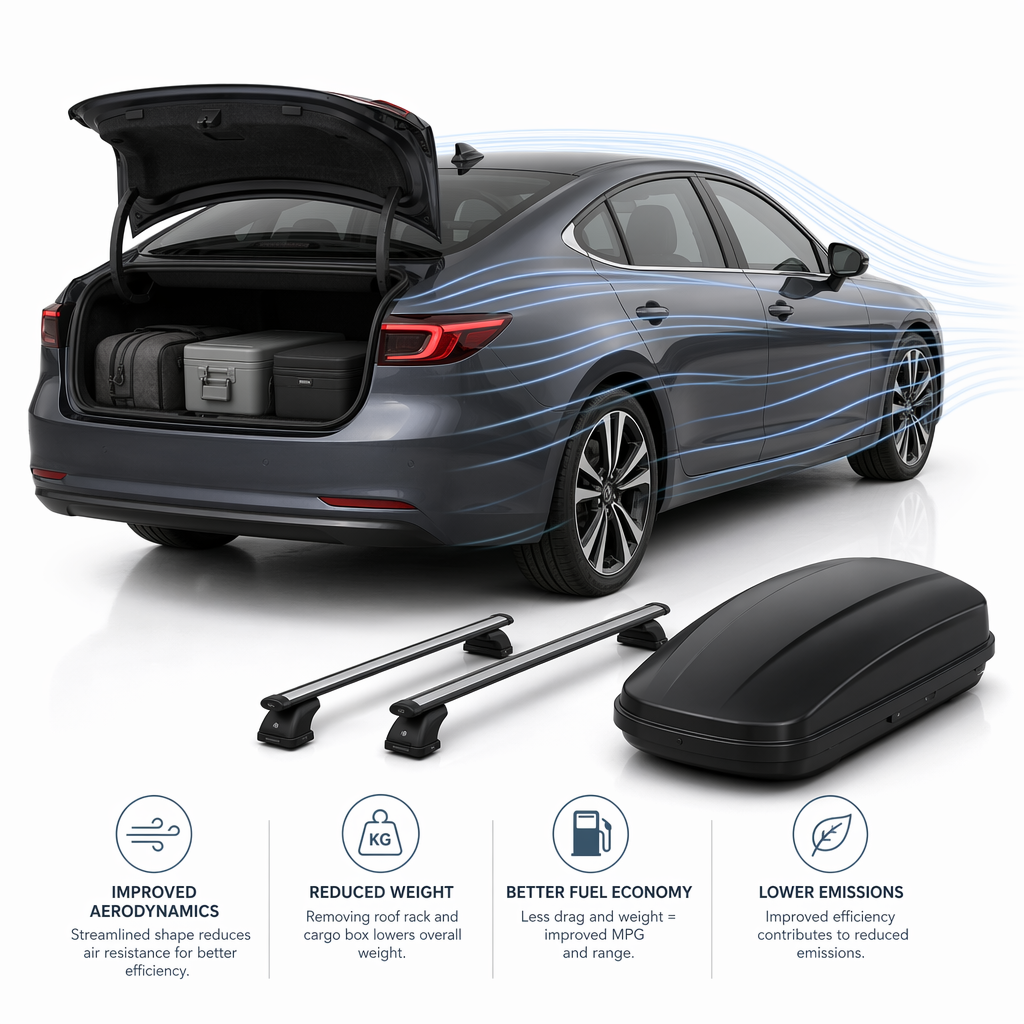
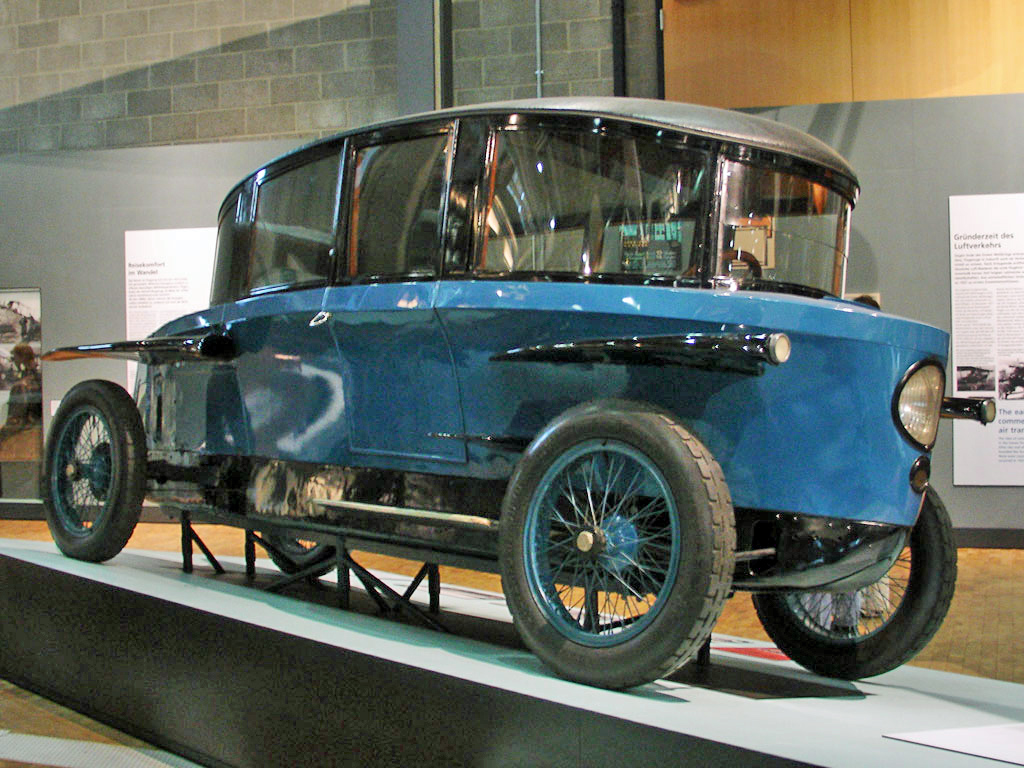
Remove roof racks, cargo boxes, and bike carriers when they’re not in use. A roof rack alone can reduce highway fuel economy by 5% to 15%, depending on the size and speed. Clean out unnecessary weight from the trunk and back seat.
Keep your windows closed on the highway. Open windows create turbulence that increases drag. Use the AC instead, which consumes less energy than the aerodynamic penalty of open windows at speeds above 40 mph.
Engine Management
Turn the engine off if you’ll be stopped for more than 60 seconds (outside of traffic flow). Modern engines use less fuel restarting than they consume in a minute of idling. Most 2026 vehicles with auto start-stop systems do this automatically. If you prefer to disable auto start-stop, you can do so manually on many models.
A well-maintained engine is a fuel-efficient engine. Replace spark plugs, air filters, and oxygen sensors on schedule. A single misfiring plug can reduce fuel economy by 4%, and a dirty air filter reduces it further. For vehicles prone to specific issues like engine hesitation during acceleration, proper maintenance becomes even more critical.
Track Your Progress
Your car’s trip computer displays average fuel economy in real time. Watching this number while you drive creates a feedback loop that naturally encourages more efficient habits. Many drivers see improvement simply from paying attention to the readout.
Fuel tracking apps like Fuelly let you log each fill-up and track trends over time. Comparing your monthly averages reveals which habits produce the biggest savings.

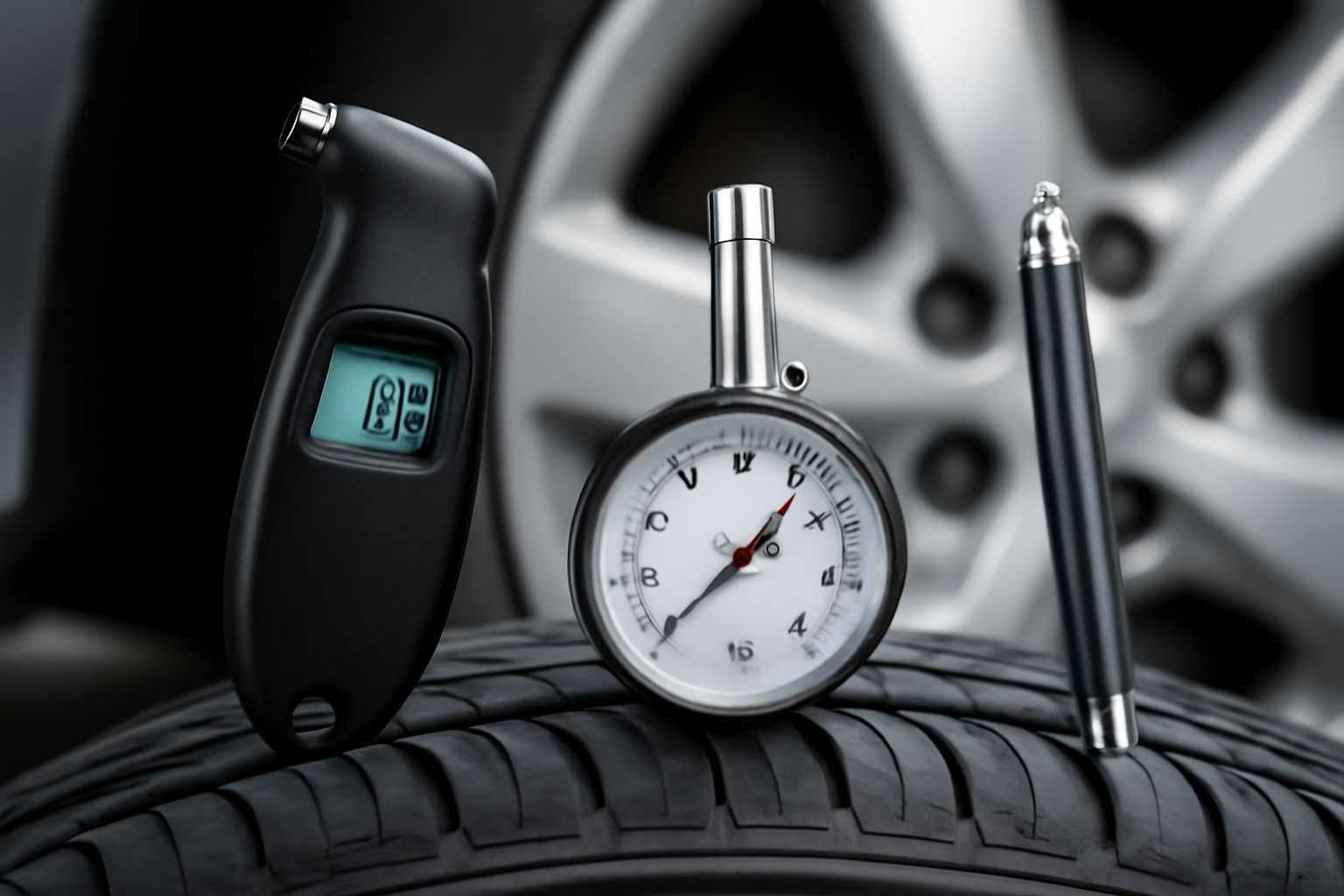
Fuel Economy Monitor Gauge
Aftermarket fuel economy monitors provide real-time feedback for older vehicles without built-in trip computers
For drivers seeking vehicles that can last 200,000 miles, eco driving techniques become even more valuable as they extend engine life while reducing fuel costs.
Frequently Asked Questions
How much money can eco driving save?
A driver who adopts all these techniques can improve fuel economy by 15% to 25%. For someone spending a significant amount on gas per year, that adds up to meaningful savings annually.
Does eco driving wear out the car less?
Yes. Smooth acceleration and braking reduce wear on the engine, transmission, brakes, and tires. Eco driving extends the life of virtually every mechanical component in the vehicle, which is particularly important if you’re avoiding high-mileage vehicles with known reliability issues.
Can eco driving work with a performance car?
Absolutely. Performance cars often see even larger fuel economy improvements from eco driving techniques because they have larger engines with greater fuel consumption potential. You can always drive spiritedly when you want to, and drive efficiently the rest of the time.

Leave a Reply