
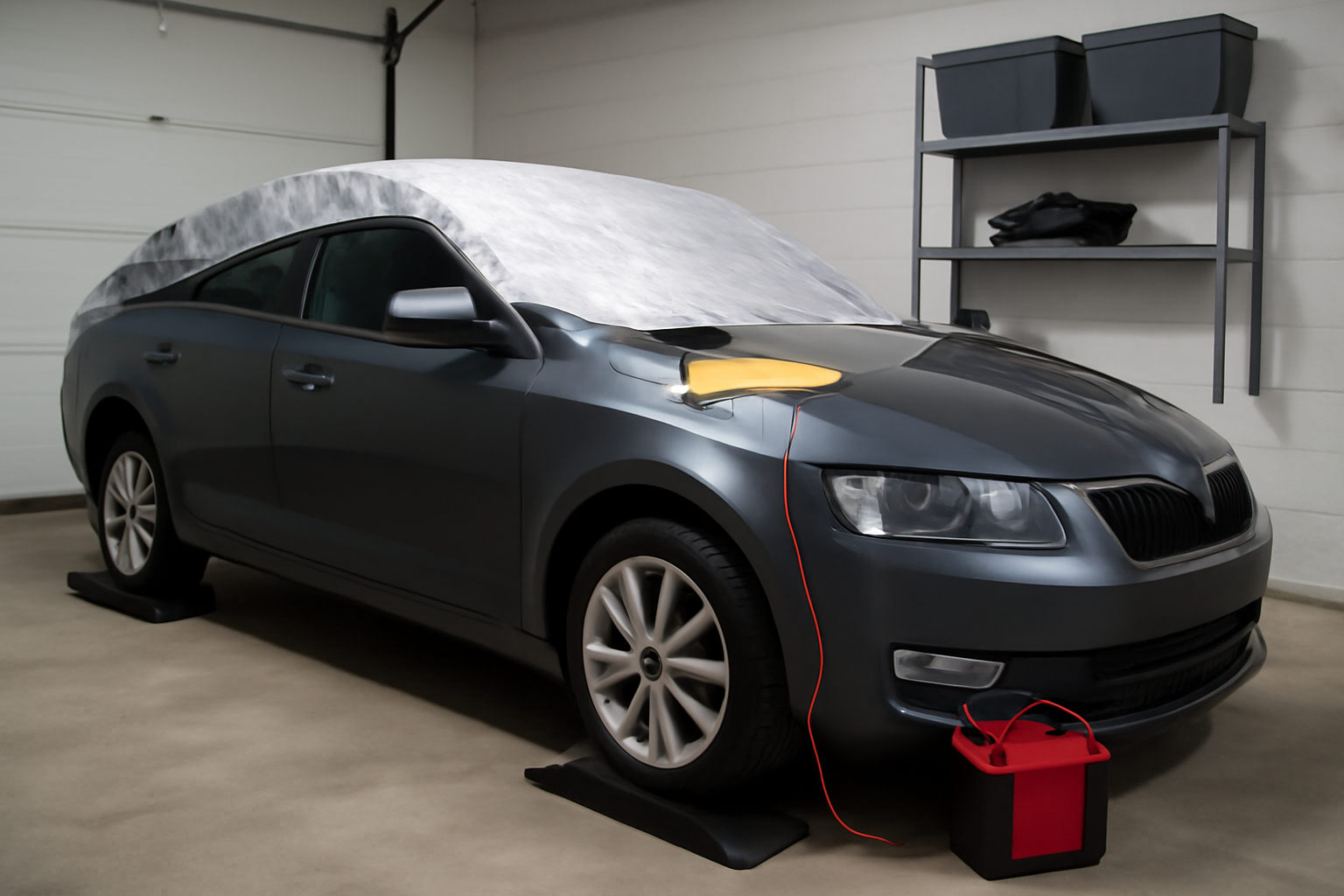
Whether you’re heading out on a long vacation or storing a seasonal vehicle for winter, preparing your car properly prevents dead batteries, flat-spotted tires, pest damage, and fluid degradation. A little prep work before you leave saves you from costly surprises when you return.
This guide covers everything you need to know to store your vehicle safely, whether it’s a reliable daily driver or a truck you’re keeping for the long haul.
Fill the Gas Tank
A full tank prevents moisture from condensing inside the fuel system. Add a fuel stabilizer to keep the gas from breaking down during storage. Untreated gasoline begins to degrade after about 30 days, leaving varnish deposits in fuel lines, injectors, and the carburetor on older vehicles.
Run the engine for 5 to 10 minutes after adding stabilizer so it circulates through the entire fuel system.

Fuel Stabilizer
Essential for preventing fuel degradation during storage periods of 30 days or more
Protect the Battery
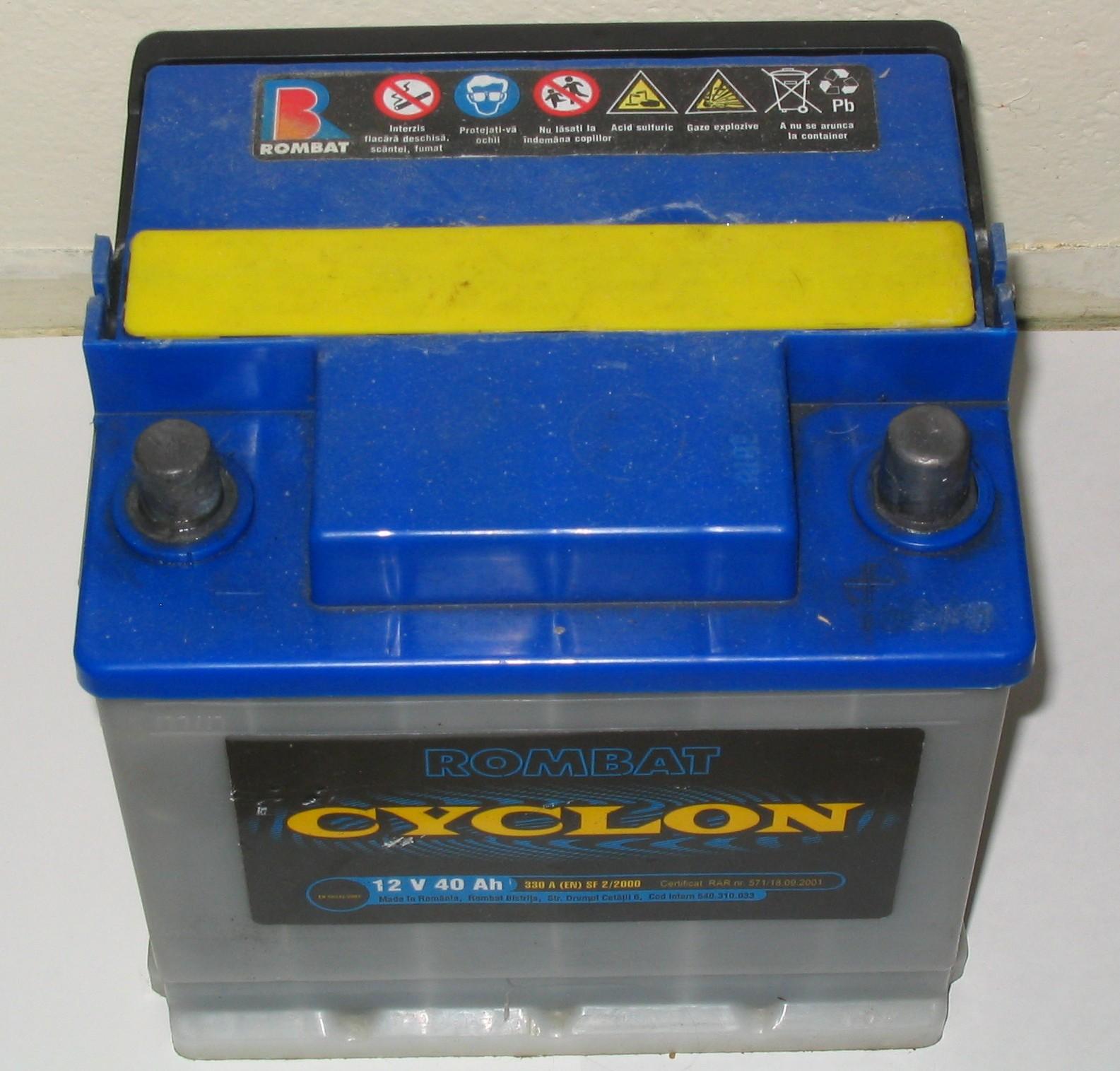
A parked car’s electrical systems drain the battery through parasitic draw. After 2 to 4 weeks, the battery may be too weak to start the engine. You have two options.
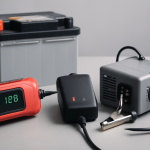
Connect a battery tender or maintainer to keep the battery topped off automatically. This is the best approach if you have access to an outlet near the vehicle. Smart maintainers won’t overcharge and can be left connected indefinitely.
If no outlet is available, disconnect the negative battery cable. This eliminates parasitic drain entirely but will reset your clock, radio presets, and any computer-learned settings when you reconnect.

Battery Tender Maintainer
The best way to maintain battery health during extended storage periods
Tire Care During Storage
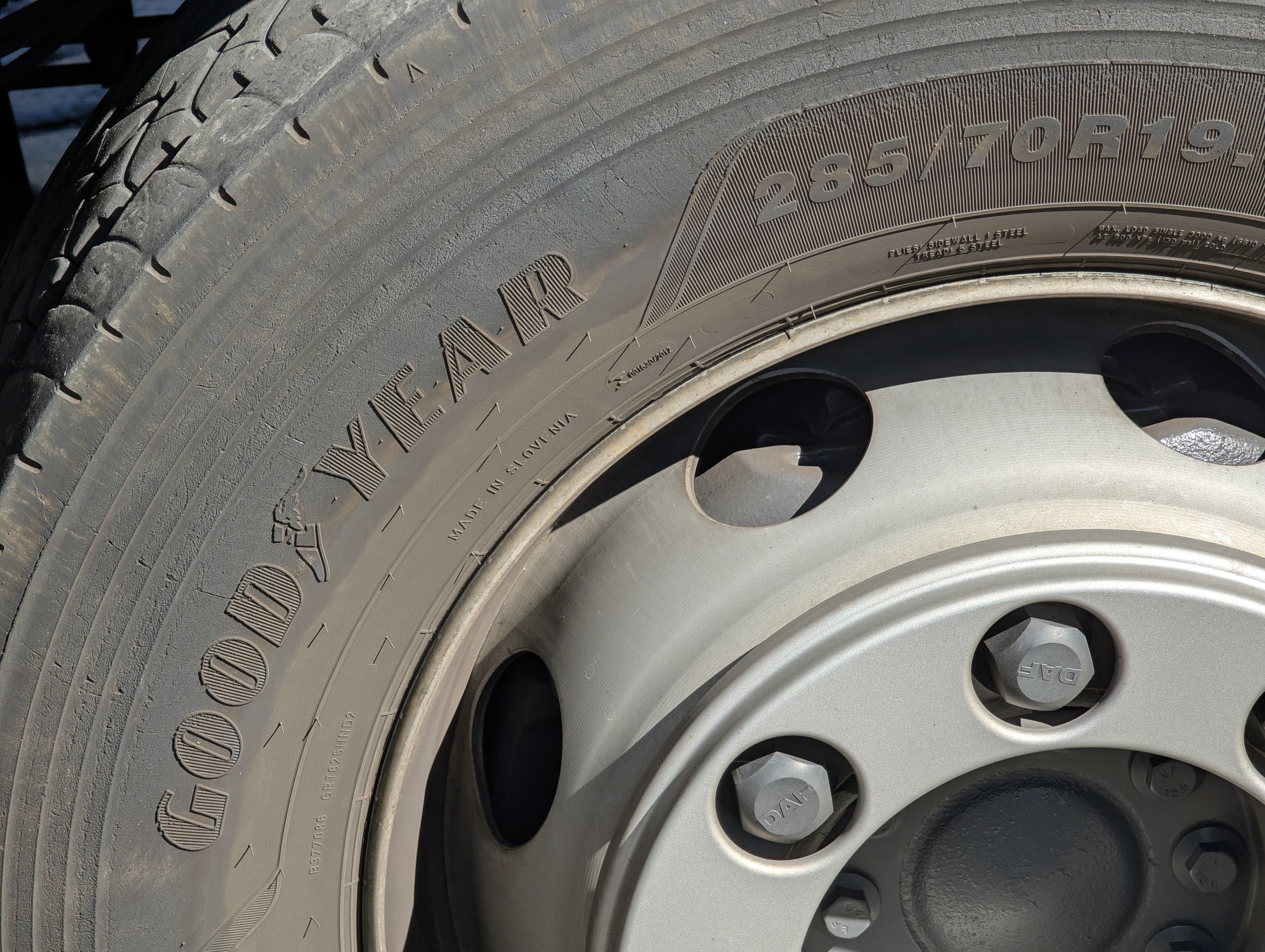
Inflate all tires to the maximum pressure listed on the sidewall, not the door jamb spec, before storage. Tires lose pressure over time, and starting at maximum pressure gives them a buffer. Over-inflation during storage is fine since you’ll adjust to the correct pressure before driving.
If storing for more than 3 months, consider placing the car on jack stands to take the weight off the tires entirely. This prevents flat spots, which are caused by the tire’s contact patch deforming under the vehicle’s weight over extended periods.
Fluid Maintenance
Change the oil before storage if it’s due. Used oil contains acids and contaminants that can corrode engine internals during extended sitting. Fresh oil provides a clean protective film on all internal surfaces.
Top off coolant, brake fluid, and power steering fluid. Low fluid levels accelerate corrosion in the systems they protect.
Pest Prevention
Mice and rats love parked cars. They nest in air filter boxes, chew through wiring harnesses, and stuff acorns into every crevice. Block the exhaust pipe and air intake with steel wool or a rag, but leave yourself a reminder to remove them before starting. Place mothballs or peppermint oil-soaked cotton balls around and inside the vehicle.
Dryer sheets placed throughout the interior and engine bay also deter rodents. Replace them monthly if you’re storing for an extended period.
Cover and Protect
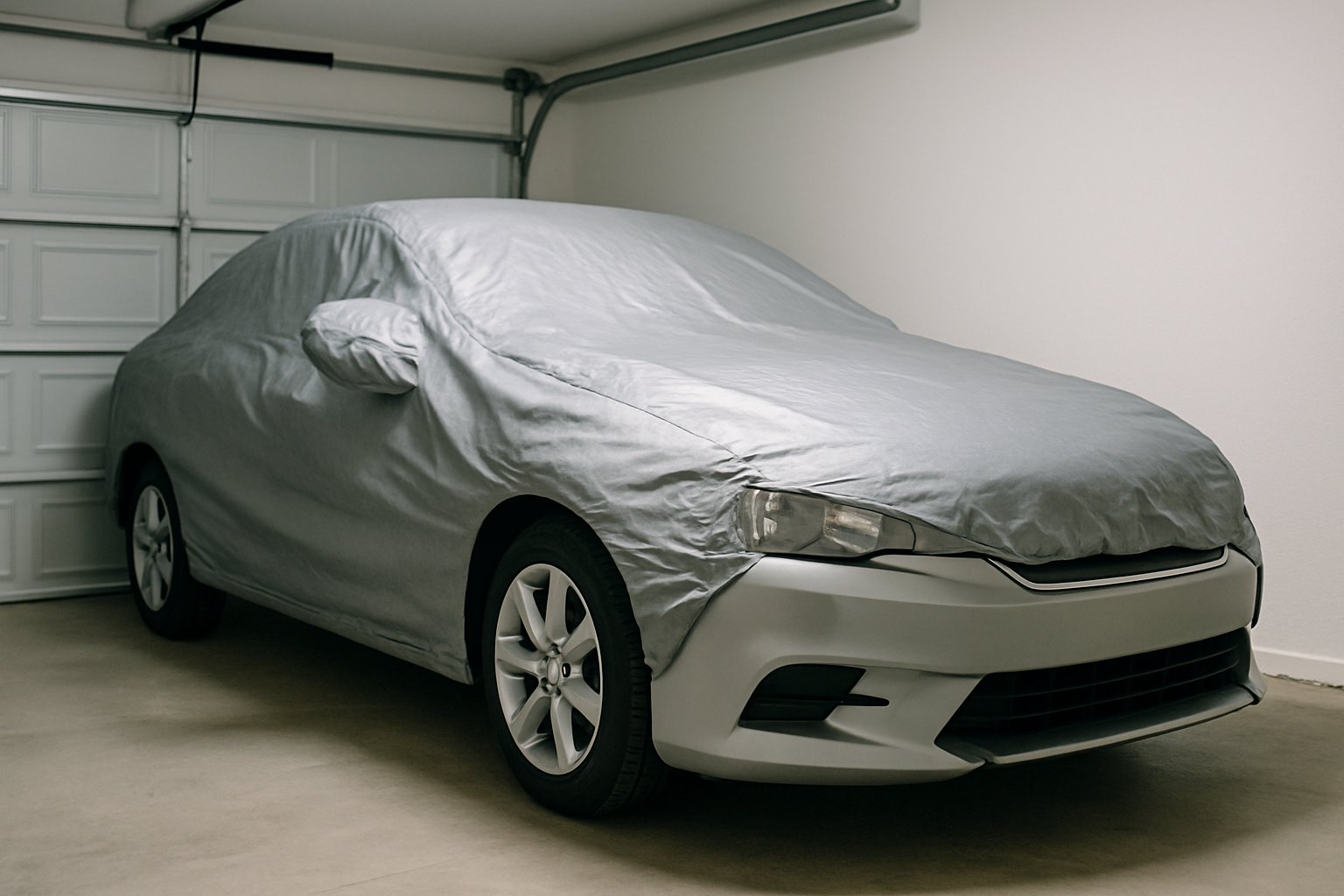
If storing outdoors, use a breathable car cover. Non-breathable covers trap moisture and can cause mold and paint damage. If storing in a garage, a cover keeps dust off but isn’t strictly necessary.
Crack the windows slightly, about half an inch, to allow air circulation inside the cabin. This prevents musty odors and mold growth on interior surfaces.
Before You Drive Again
Check tire pressures and adjust to the door jamb spec. Reconnect the battery if you disconnected it. Remove any pest deterrents from the exhaust and intake. Check under the hood for signs of animal nesting. Start the engine and let it idle for a few minutes before driving, giving oil time to circulate through the entire engine.
Pump the brake pedal a few times before moving. Brake rotors develop surface rust quickly when sitting, which causes a grinding noise for the first few stops. This is normal and wears off within a mile of driving.
Frequently Asked Questions
How long can a car sit without being driven?
With a battery maintainer and properly stabilized fuel, a car can sit for 6 months or more without issues. Without preparation, problems can start within 2 to 4 weeks, beginning with a dead battery. For more details on longer storage periods, check out our guide on how to properly store a car for 3 to 6 months.
Should I start my car periodically during storage?
If possible, start it every 2 weeks and let it reach full operating temperature, which takes at least 15 minutes of running. Short runs that don’t reach operating temperature can actually cause more harm by creating condensation in the exhaust and oil system.
Will my car insurance cover a stored vehicle?
Most policies require you to maintain at least comprehensive coverage during storage to protect against theft, fire, and weather damage. Contact your insurer about a storage-only policy that drops collision and liability to reduce costs. Learn more about how insurance policies work for stored vehicles.
What happens if I don’t use fuel stabilizer?
Gasoline begins to degrade after about 30 days, forming varnish deposits that can clog fuel lines, injectors, and carburetors. This is especially problematic in vehicles with older fuel systems. Fuel stabilizer prevents this breakdown and keeps your fuel system clean during storage.

Leave a Reply