
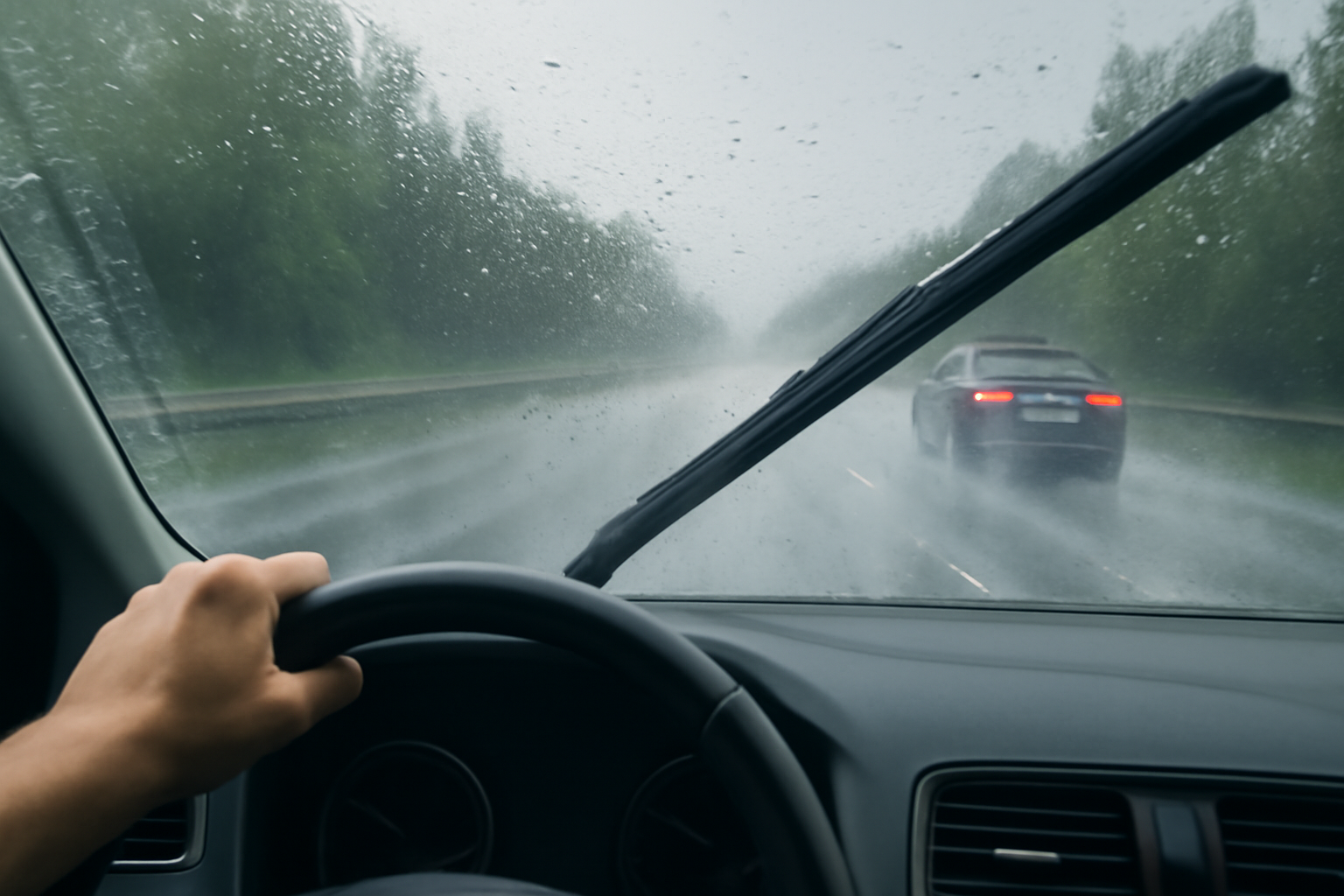
Heavy rain transforms familiar roads into unpredictable hazards. Visibility drops, stopping distances double, and hydroplaning can happen in an instant. Knowing how to adjust your driving before conditions get dangerous makes the difference between arriving safely and ending up in a ditch.
Slow Down Before You Need To
Your tires lose grip on wet pavement even before you notice it. Reduce your speed by at least 10 to 15 mph below the posted limit in moderate rain, and more in heavy downpours. At highway speeds, your tires need to displace about a gallon of water per second, and worn tread can’t keep up.
The first 10 minutes of rainfall are the most dangerous. Oil and debris on the road surface mix with the water to create an extremely slippery film. Once heavier rain washes this layer away, traction improves slightly.
Increase Following Distance
Wet roads roughly double your stopping distance. Increase your following distance to at least 5 to 6 seconds behind the car ahead (compared to the usual 3 seconds). This gives you more time to react to sudden stops and reduces the spray from the vehicle in front that cuts your visibility.
Use Headlights, Not Just Wipers
Turn on your low beams whenever your wipers are running. Most states require this by law. Headlights don’t just help you see; they help other drivers see you. Avoid high beams in rain, as they reflect off the water droplets and actually reduce visibility.
If your wipers can’t keep up with the rain, the safest option is to pull over. Find a parking lot or wide shoulder, turn on your hazard lights, and wait for the worst of the downpour to pass.

Premium Windshield Wiper Blades
Fresh wipers make a huge difference in heavy rain. Replace them every 6-12 months for optimal visibility.
Avoiding Hydroplaning
Hydroplaning occurs when a layer of water builds between your tires and the road surface, causing a complete loss of traction. It’s most common above 35 mph on standing water, in wheel ruts that collect water, and with tires that have less than 4/32-inch tread depth.
If you start hydroplaning, ease off the gas pedal gradually. Don’t slam the brakes or jerk the steering wheel. Keep the wheel pointed straight and let the car slow down until the tires regain contact with the pavement. The sensation lasts only a second or two in most cases.
Dealing with Standing Water
Avoid driving through standing water whenever possible. You can’t tell how deep it is, and just 6 inches of moving water can sweep a car off the road. If you must cross standing water, go slowly (5 to 10 mph) in the center of the road where the water is usually shallowest.
After crossing standing water, tap your brakes lightly a few times to dry the pads and restore braking effectiveness.
Handling Reduced Visibility
When rain is so heavy that you can barely see the lane markings, use the right-side road edge line as your guide rather than the center line. This keeps you in your lane without putting you closer to oncoming traffic.
Defog your windshield using the AC or the defrost setting. Crack your windows slightly if fogging persists. A clean windshield fogs less than a dirty one, so keep the inside of your glass clean with glass cleaner.
Tire Condition Matters
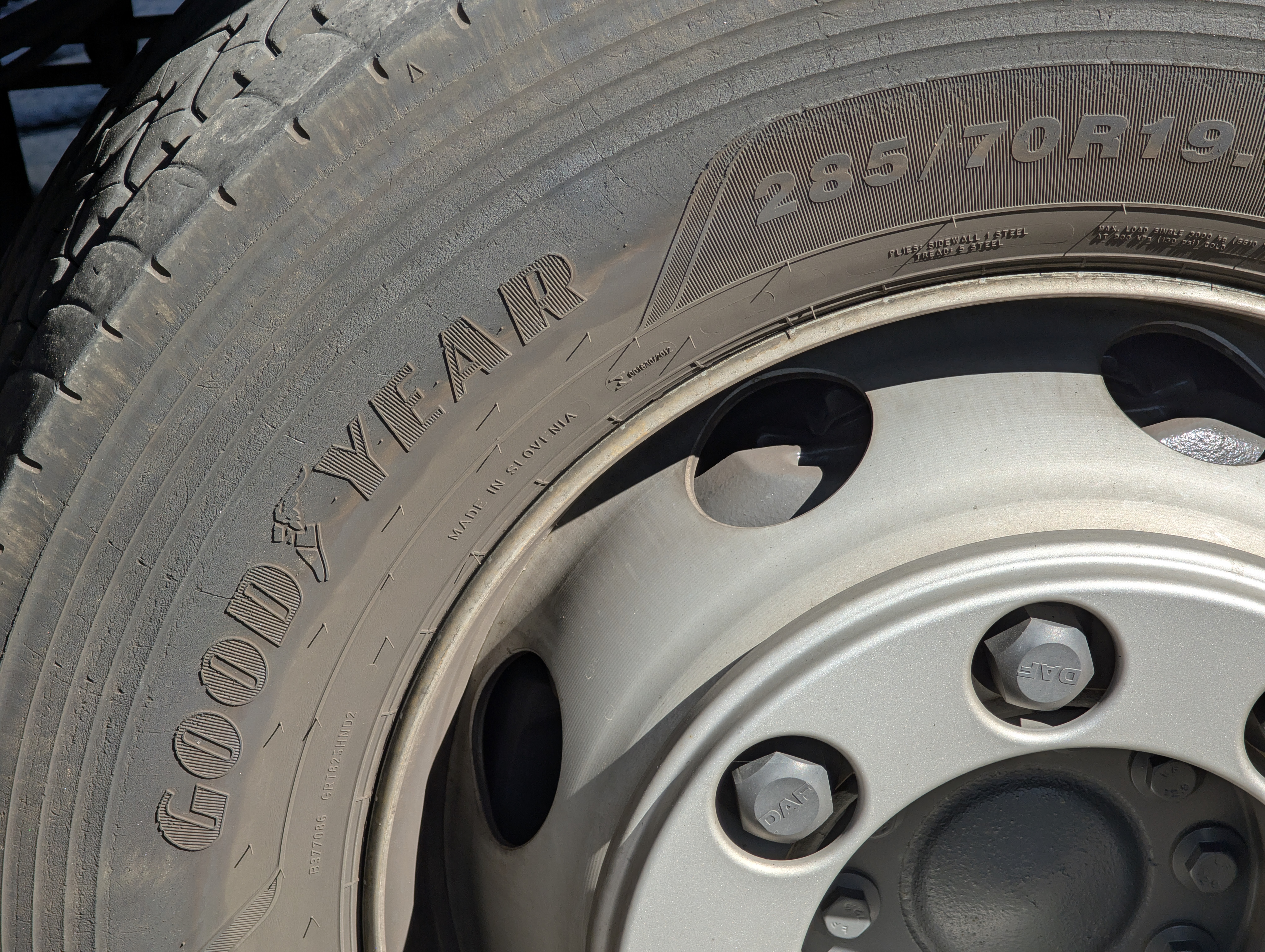
The single biggest factor in wet weather safety is your tire tread depth. Tires with less than 4/32-inch tread are significantly more prone to hydroplaning. The penny test (insert a penny head-first into the tread; if you can see the top of Lincoln’s head, the tread is too low) is a quick check, but a tread depth gauge gives a precise measurement.
Properly inflated tires with fresh tread can handle moderate rain at near-normal speeds. Worn tires on the same road in the same rain create a genuinely dangerous situation. If you’re shopping for a budget-friendly first car or a reliable used vehicle, don’t overlook tire condition during your inspection.

Digital Tire Pressure Gauge
Proper tire inflation is critical for wet weather handling. Check pressure monthly, especially before long trips.
Frequently Asked Questions
Should I use cruise control in the rain?
No. Cruise control can cause the car to accelerate at exactly the wrong moment if the tires lose traction. Maintaining manual throttle control gives you the ability to react instantly to changing conditions.
Is it safe to drive through a flooded road?
Avoid it if at all possible. Floodwater hides potholes, debris, and washed-out road surfaces. Just 12 inches of moving water can carry a vehicle away. Turn around and find an alternate route.
Do all-wheel-drive cars handle rain better?
AWD helps with acceleration on slippery surfaces but does not improve braking or cornering. Your tires determine wet-weather performance far more than your drivetrain. Good tires on a FWD car outperform worn tires on an AWD vehicle in the rain.
This article contains affiliate links. We may earn a small commission at no extra cost to you.

Leave a Reply