
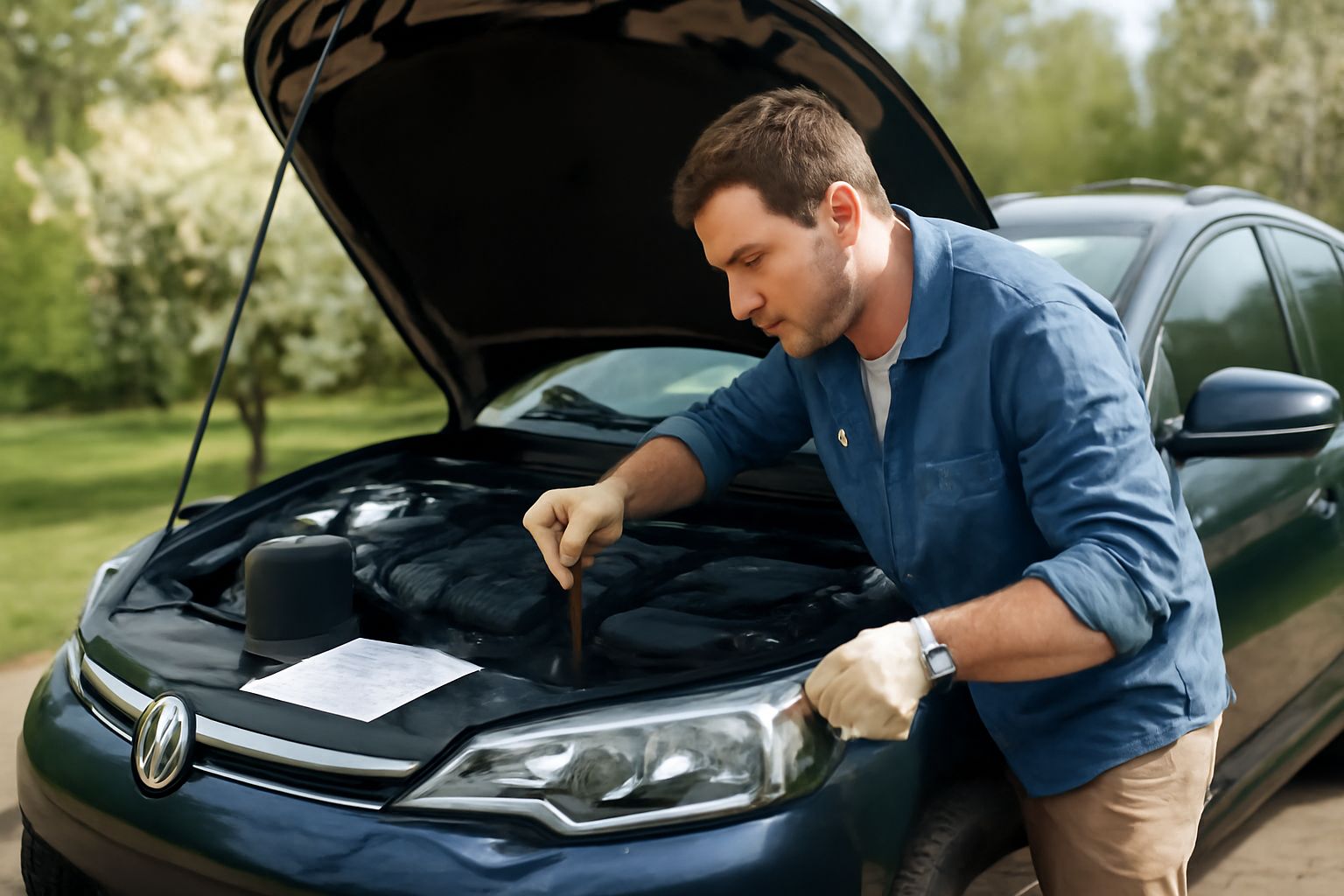
Winter is rough on cars. Road salt corrodes metal, cold temperatures stress batteries and fluids, and potholes punish tires and suspension. A spring maintenance check catches the damage before it becomes a breakdown or an expensive repair.
Work through this 10-point checklist as temperatures warm up, and you’ll head into summer with a car that runs reliably and safely.
1. Inspect Tires and Adjust Pressure
Tires lose pressure during cold weather and often develop uneven wear from winter road conditions. Check all four tires (plus the spare) with a pressure gauge and inflate to the spec on your door jamb sticker.
Inspect the tread for damage from potholes and debris. If you ran winter tires, swap back to your all-seasons.

Digital Tire Pressure Gauge
Accurate readings are essential for proper tire maintenance and fuel economy
2. Check the Battery
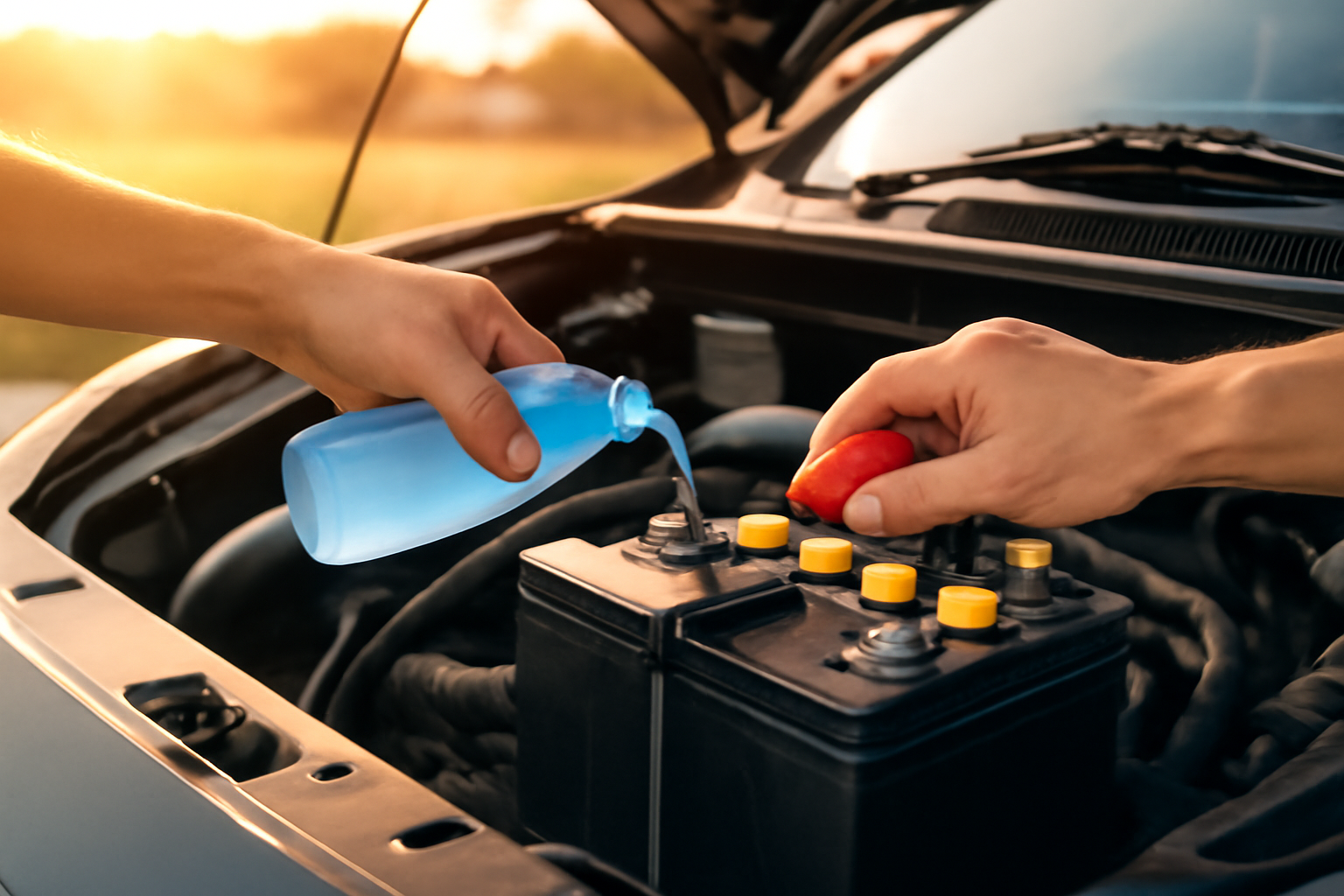
Cold weather is the biggest stress test for your battery. A battery that barely made it through winter may fail when summer heat arrives. Have a free load test done at an auto parts store, or check the resting voltage with a multimeter.
Replace any battery that tests below spec. This simple check can prevent you from being stranded and helps you avoid unexpected breakdowns during summer road trips.
3. Replace Wiper Blades

Winter ice, snow, and salt take a toll on wiper blades. If they streak, chatter, or skip across the windshield, install fresh wiper blades before the spring rainy season hits.
4. Top Off or Replace Fluids
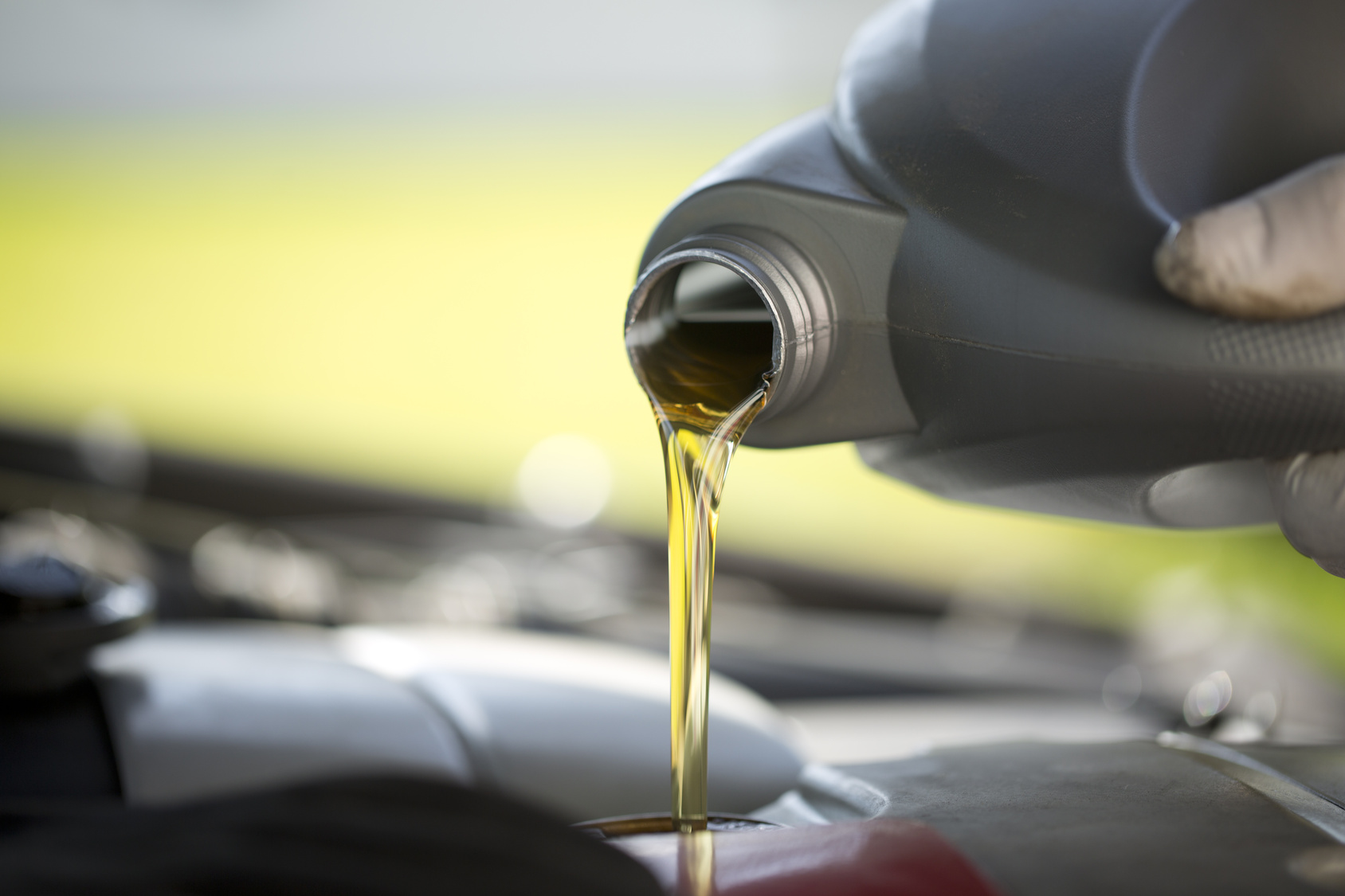
Check engine oil, coolant, brake fluid, power steering fluid, and windshield washer fluid. Low levels could indicate a leak that developed over winter.
If your oil change is due, do it during your spring checkup to start the warm season with fresh protection. Regular fluid maintenance is just as important as the specialized maintenance required for performance vehicles.
5. Test the AC System
Turn on the AC and verify it blows cold air before you need it in the heat of summer. A system that lost refrigerant over winter needs a recharge.
It’s better to discover this during a mild spring week than on the first 95-degree day. If your car starts overheating when you run the AC, catching it early can prevent serious damage to your cooling system.
6. Inspect Brakes
Peek through the wheel spokes or remove a wheel to check brake pad thickness. Winter driving with frequent stops wears pads faster, and road salt accelerates rotor surface rust.
Address any squealing, grinding, or vibration before warm-weather road trips. Brake issues won’t fix themselves and only get more expensive when ignored.
7. Check Belts and Hoses
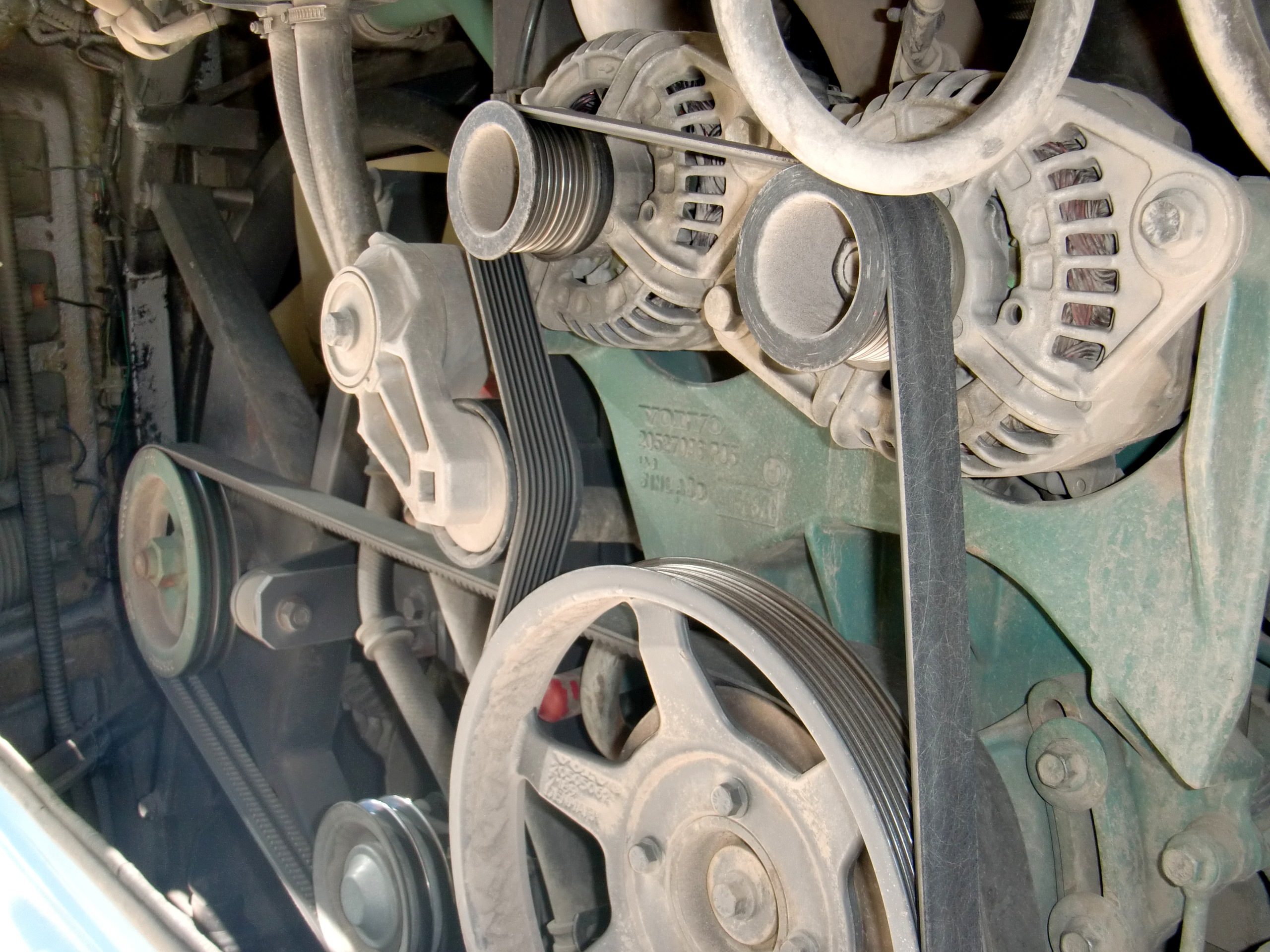
Cold temperatures cause rubber to contract and crack. Inspect the serpentine belt for cracking, fraying, or glazing. Squeeze coolant hoses and check for soft spots, swelling, or cracks at the connection points.
Replace any belt or hose that shows wear. A failed serpentine belt will leave you stranded, while a burst coolant hose can cause catastrophic engine damage.
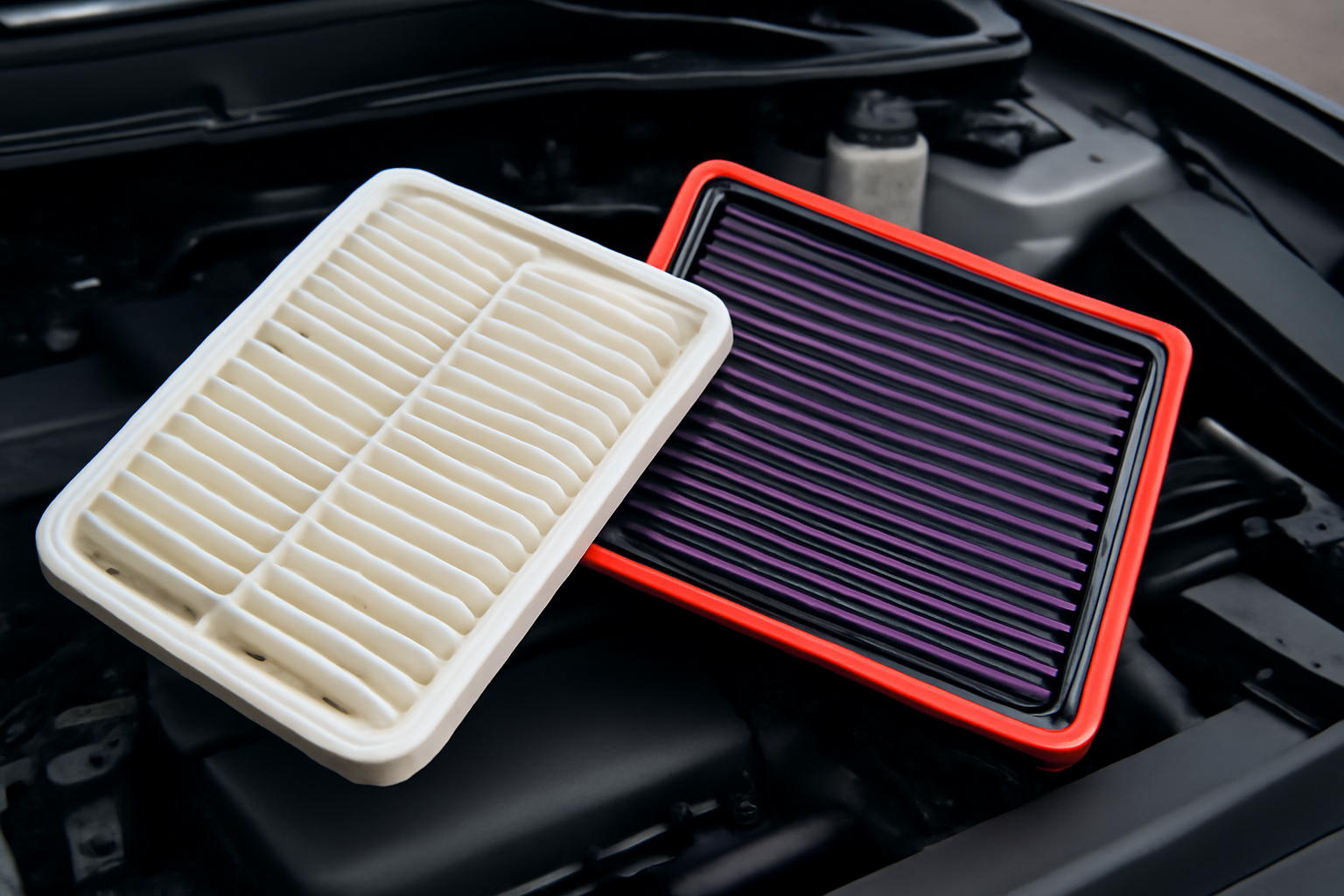
8. Replace the Cabin Air Filter

Spring is the perfect time to swap in a fresh cabin air filter. A new filter catches pollen before it enters the cabin, which is especially important for allergy sufferers.
A clean filter also improves AC performance and airflow. This is one of the easiest DIY maintenance tasks you can do in your driveway.

Cabin Air Filter
Easy to replace yourself and makes a noticeable difference in air quality
9. Clean the Undercarriage
Road salt clings to the underside of your car all winter and continues corroding metal long after the snow melts. Take your car through a car wash with an undercarriage spray option, or use a garden hose to rinse the underbody, wheel wells, and suspension components.
This is especially important if you’re maintaining a truck or SUV you plan to keep long-term, as rust prevention protects resale value.
10. Check Lights and Signals
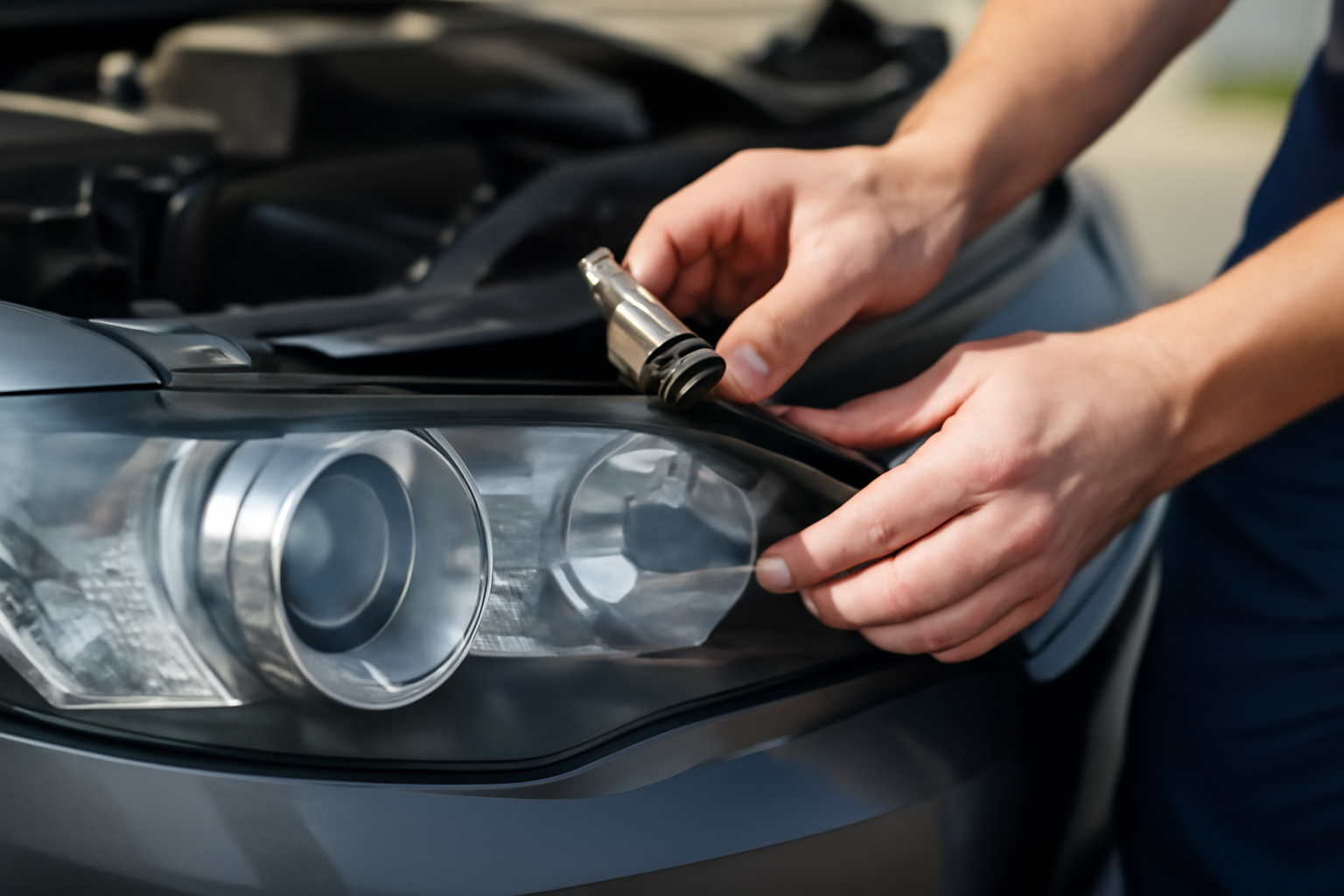
Walk around the car with someone inside operating the controls. Verify headlights (low and high beam), taillights, brake lights, turn signals, reverse lights, and fog lights.
Burned-out bulbs are easy to miss in daily driving but create safety issues and can result in traffic stops. Replace any failed bulbs with replacement bulbs from your local auto parts store or Amazon.
Frequently Asked Questions
When should I do my spring maintenance?
Aim for mid-March to April in most of the U.S., or whenever temperatures consistently stay above freezing and road salt season is over. The goal is to address winter damage before summer driving season. For a complete guide to seasonal vehicle care, check out the Spring Car Maintenance Checklist for 2026: 15 Must-Do Items.
Can I do all of this myself?
Every item on this list is doable in your driveway with basic tools. The entire checklist takes about 1 to 2 hours if no replacements are needed. Fluid top-offs, filter swaps, and visual inspections require minimal experience. For regular upkeep intervals, refer to our Car Maintenance Schedule by Mileage: The Complete Checklist.
What’s the most important item on the list?
Tires and brakes are the top safety priorities. A worn tire on a rainy spring road or brake pads that are metal-on-metal can create dangerous situations quickly.
How often should I replace my cabin air filter?
Most manufacturers recommend replacing the cabin air filter every 12,000 to 15,000 miles or once a year. Spring is an ideal time since you’ll be running your AC more frequently and want clean air circulation before allergy season peaks.

Leave a Reply