
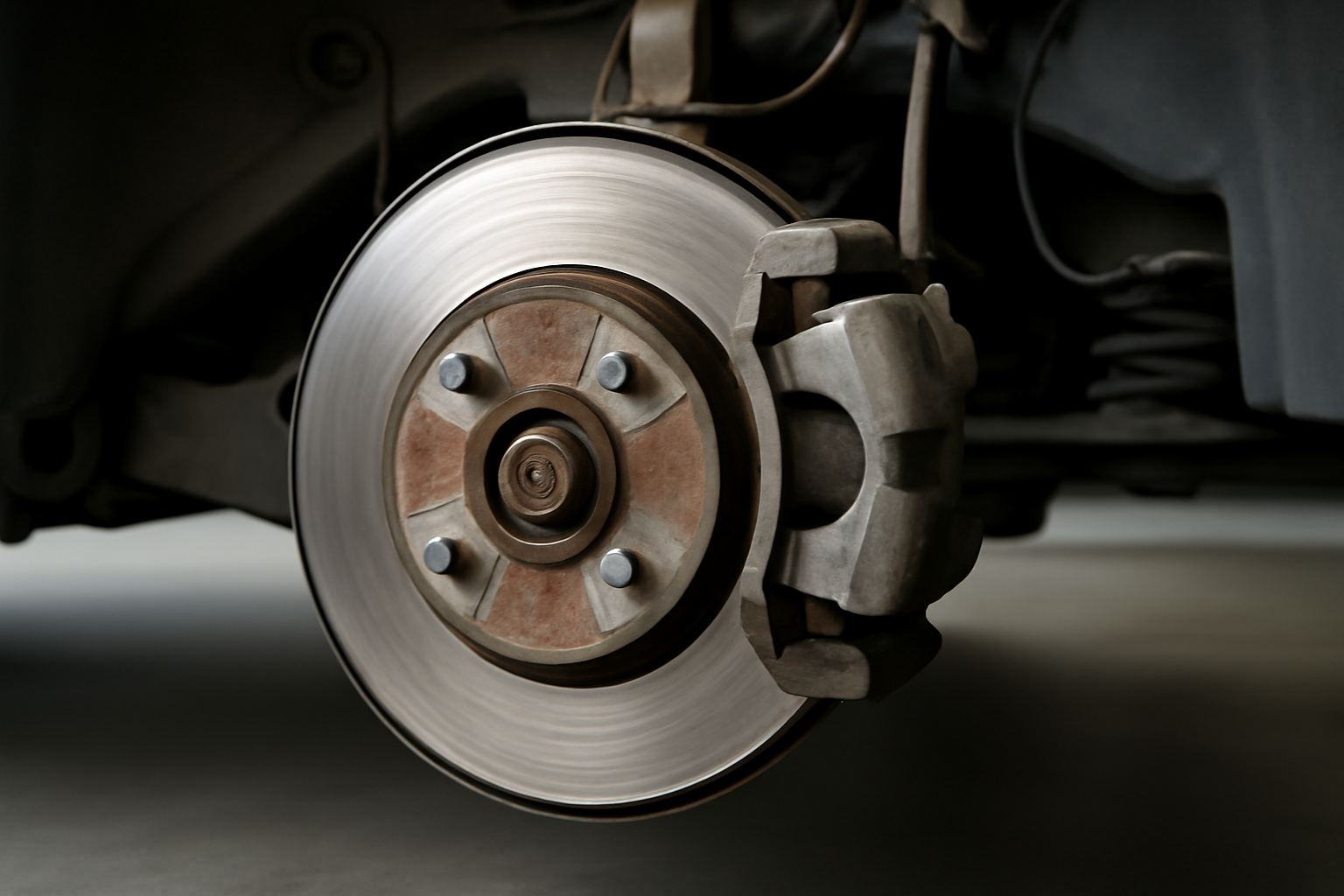
Brakes make noise for many reasons, and not all of them mean something is wrong. A light squeak after rain or overnight moisture is completely normal. Persistent squealing, grinding, or thumping during braking, however, deserves investigation before the problem gets worse and more expensive.
Squealing or High-Pitched Noise
A consistent squeal when braking usually means the wear indicators are contacting the rotor. These small metal tabs are built into the brake pad and produce a high-pitched sound when the pad material wears down to about 2mm. This is your cue to replace the pads soon.
Some brake pads (especially semi-metallic types) squeal even when they have plenty of material left. The noise comes from vibration between the pad and caliper bracket. Installing anti-squeal shims and applying brake grease to the pad backing plates usually eliminates this type of noise.

Brake Pad Shims Anti-Squeal
Essential for eliminating vibration-related brake squeal on semi-metallic pads
Grinding Noise
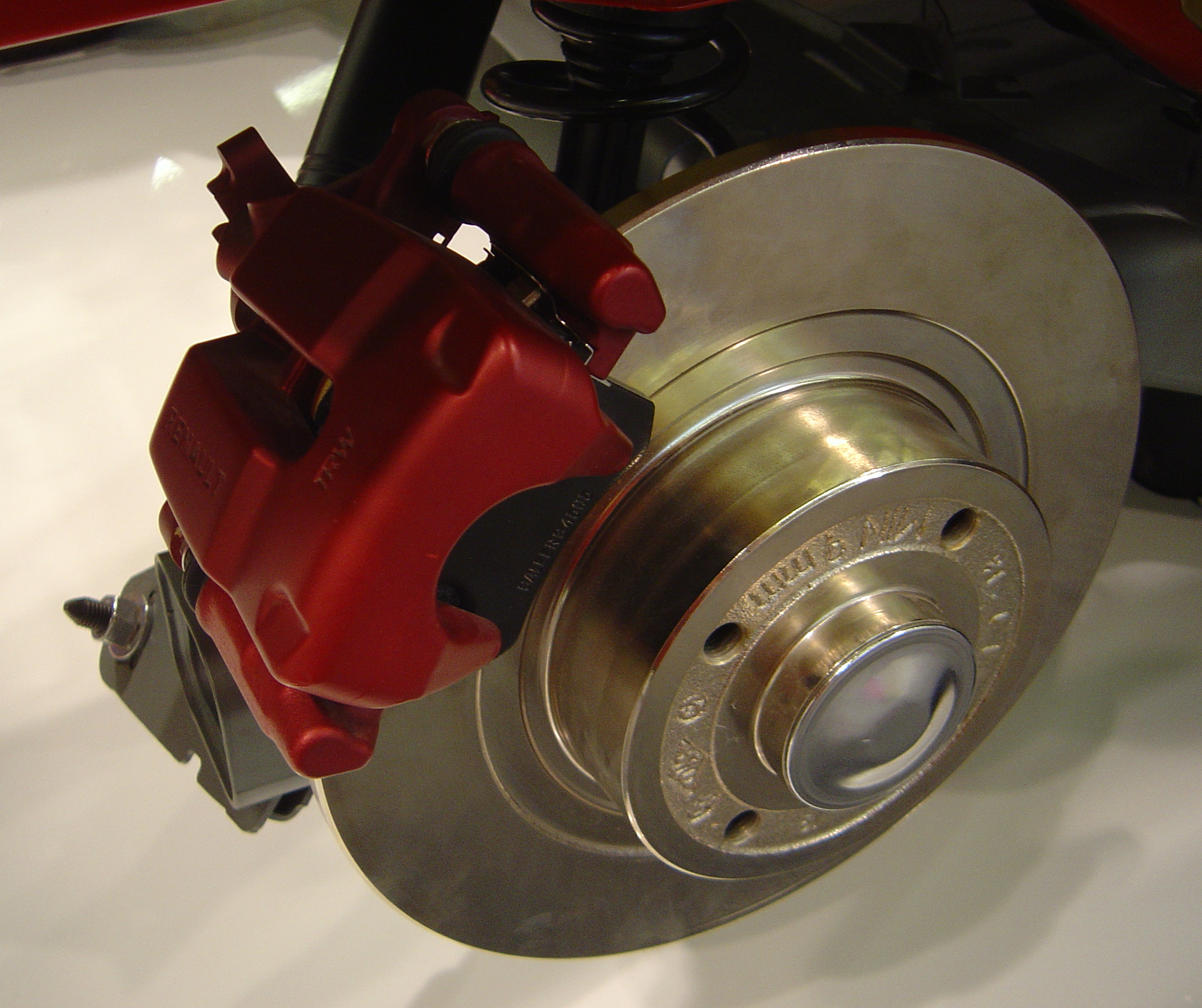
A grinding or growling sound during braking is urgent. It means the pad material is completely worn away and metal is grinding against the rotor surface. Every stop gouges the rotor, and continued driving will damage the rotor beyond resurfacing, requiring full replacement.
If you hear grinding, inspect the brakes immediately. In many cases, both pads and rotors will need replacing by this point.
Thumping or Pulsating
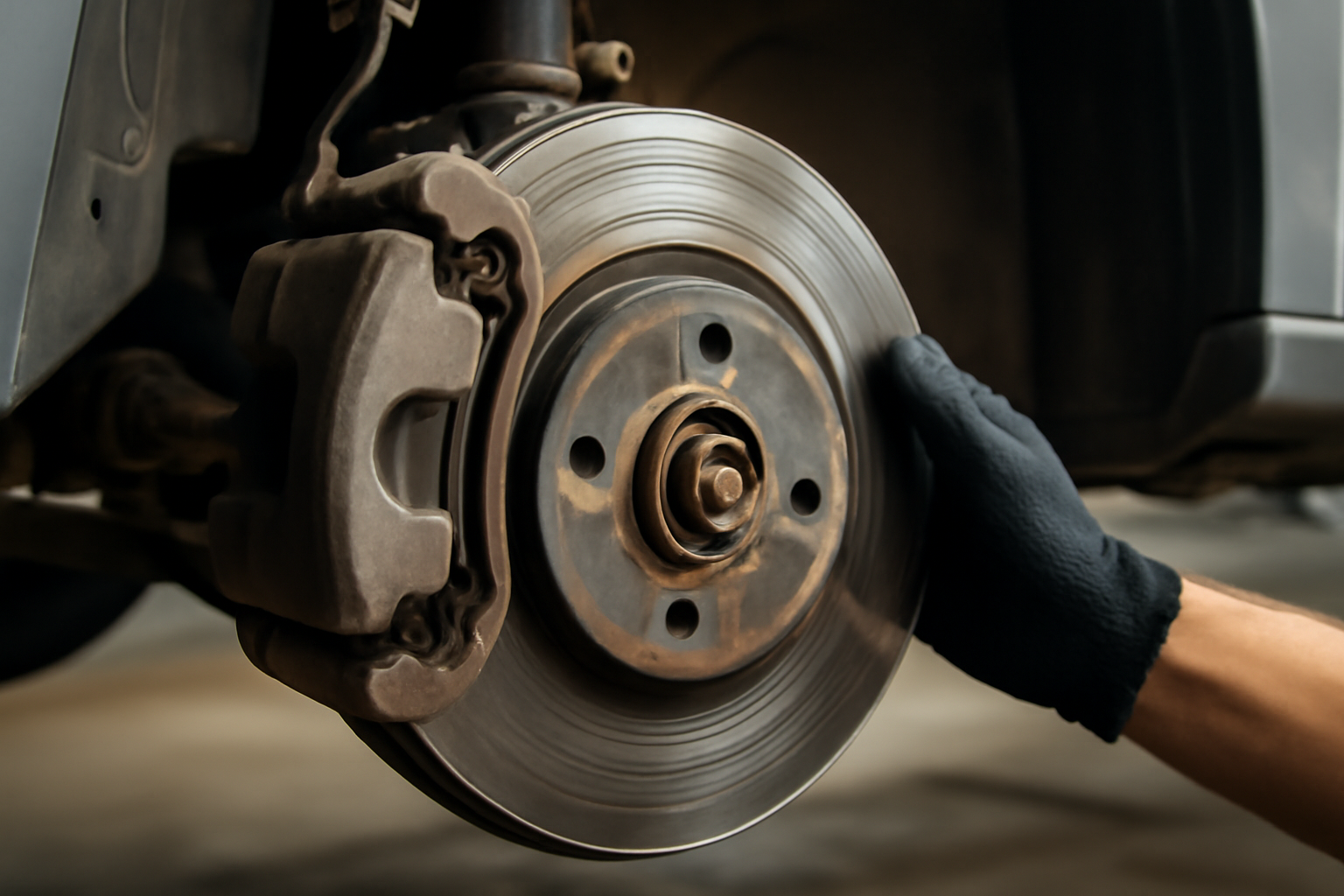
A rhythmic thump that speeds up as you drive faster and occurs during braking points to a warped rotor. The uneven surface pushes the pad in and out with each rotation, creating both the sound and a pulsation in the brake pedal.
Rotors can be machined (resurfaced) to restore flatness if they’re still above minimum thickness. If they’ve been resurfaced before or are too thin, replacement is the right call.
Scraping When Not Braking
A constant scraping sound, even when you’re not pressing the brake pedal, often means a backing plate (the thin metal shield behind the rotor) has been bent and is rubbing against the rotor. This can happen after hitting a pothole or during brake work. Bending it back with a pair of pliers is a quick fix.
A small rock or piece of debris caught between the pad and rotor also causes a persistent scraping noise. Removing the wheel and dislodging the debris resolves it instantly.
Clunking When Braking
A clunk or knock when you first apply the brakes can indicate worn caliper slide pins, a loose caliper bracket, or worn suspension bushings. The play in the worn component allows movement when braking force is applied, producing the clunk.
Inspect the caliper for play by trying to move it by hand with the brake released. Any perceptible movement indicates worn slide pins or mounting hardware that needs attention.

Quick Brake Inspection
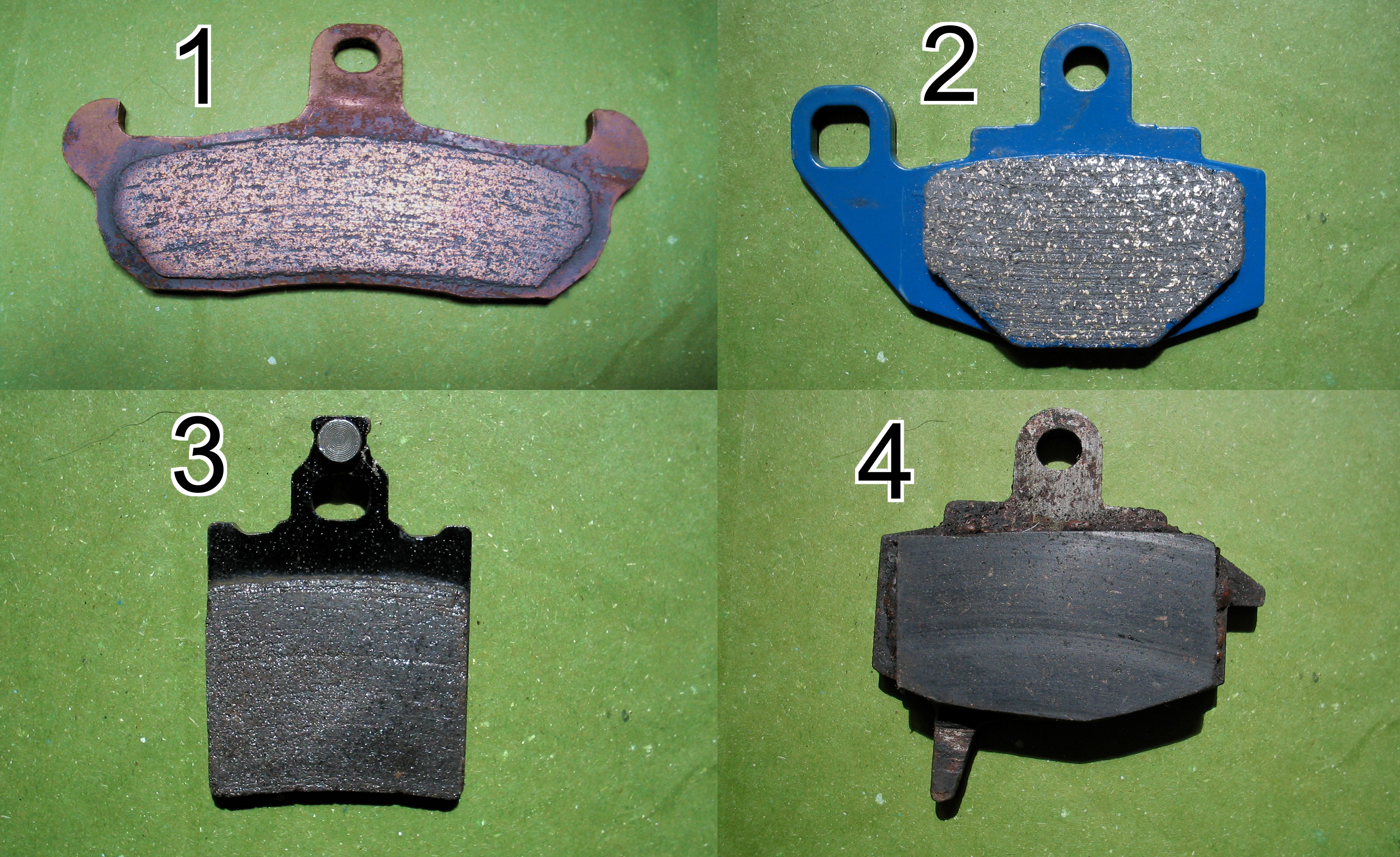
You can check pad thickness through the wheel spokes on most vehicles using a flashlight. The pad material should be at least as thick as the metal backing plate (about 3mm minimum). For a thorough inspection, remove the wheel and measure the pads and rotor thickness directly.
Regular brake maintenance can prevent many of these issues from developing. If you’re shopping for a reliable used car, checking brake condition during the test drive can reveal a lot about how well the vehicle has been maintained.
Frequently Asked Questions
Are squeaky brakes dangerous?
Light squeaking from moisture or new pads is harmless. Persistent squealing from wear indicators means pads need replacing soon. Grinding noises indicate a safety issue that requires immediate attention.
Can I spray something to stop brake noise?
Brake cleaner removes dust and contaminants that can cause noise. Anti-squeal spray applied to the back of brake pads dampens vibration. Never spray lubricants on the braking surface itself, as this reduces stopping power.
Do new brake pads make noise?
New pads can squeal for the first 100 to 200 miles during the break-in (bedding) period. This is normal and should diminish as the pad surface conforms to the rotor. If noise persists beyond 500 miles, check the installation. Similar to the break-in period for a new car, new brake components need time to properly seat.
How much do brake repairs typically cost?
Costs vary depending on whether you need just pads or both pads and rotors. DIY pad replacement can be budget-friendly, while professional service with rotor replacement will cost more. Check current pricing for quality brake components to get an accurate estimate for your specific vehicle.
This article contains affiliate links. We may earn a small commission at no extra cost to you.
Leave a Reply