
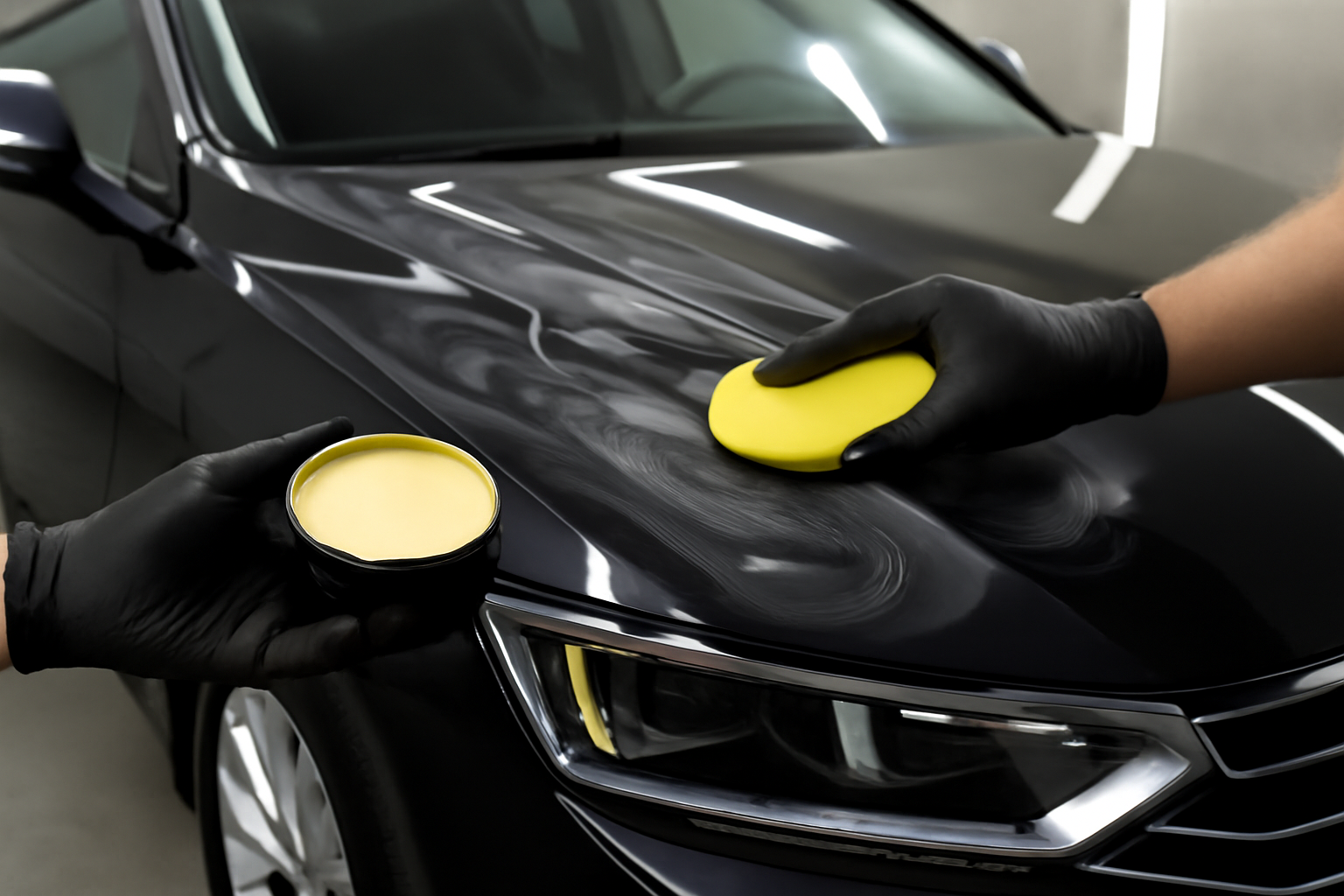
A good wax job does more than make your car look great. It creates a protective barrier between your paint and everything that wants to damage it: UV rays, bird droppings, tree sap, road salt, and acid rain. Regular waxing keeps your paint looking new and protects your car’s resale value.
This guide covers the differences between wax types, the correct application process, and how often you should wax your car in 2026.
Synthetic vs. Natural Carnauba Wax
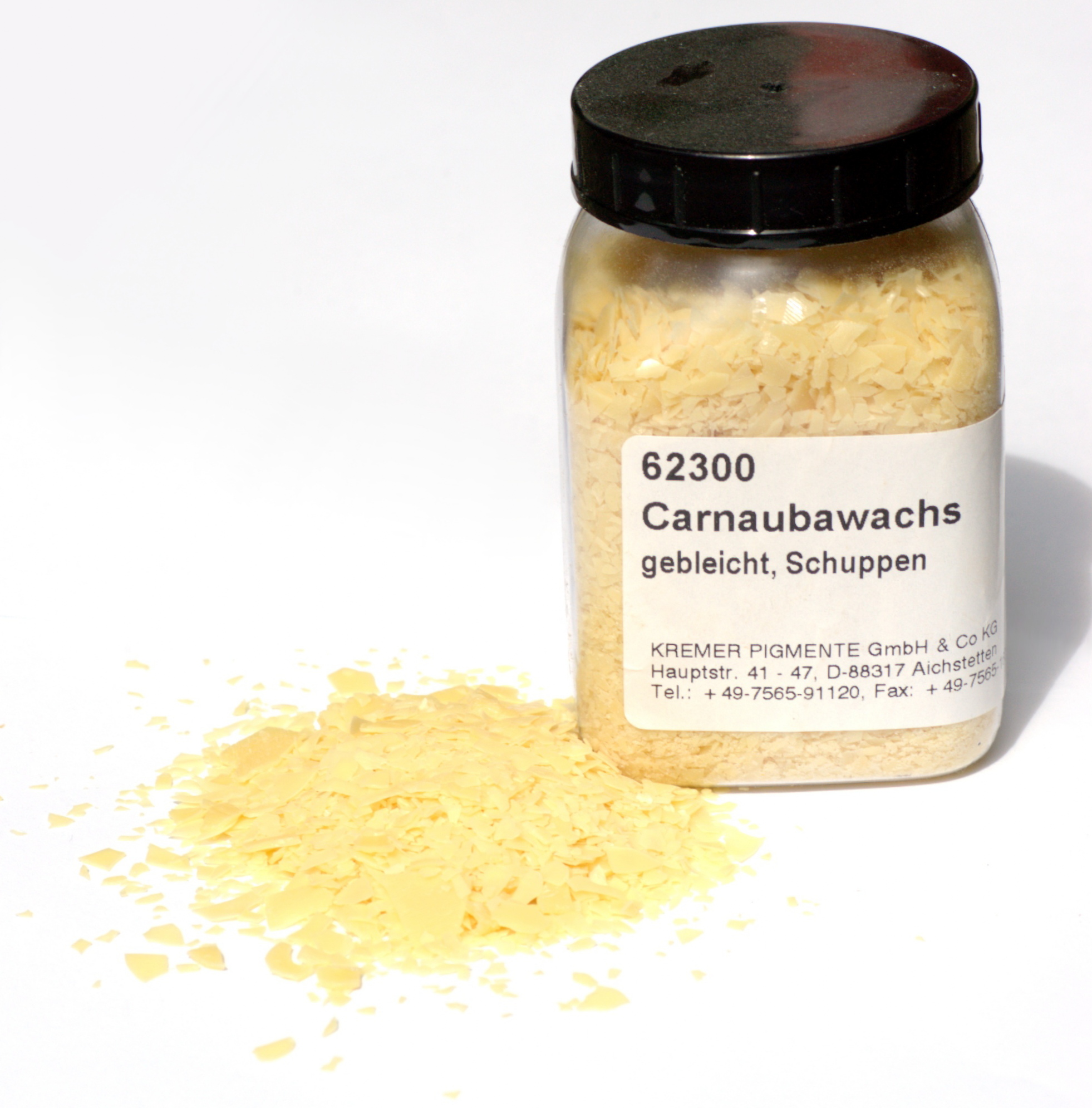
Natural carnauba wax produces a deep, warm glow that enthusiasts love. It looks incredible on dark-colored paint and gives that classic “just detailed” shine. The downside is that carnauba typically lasts only 4 to 8 weeks before it needs reapplication.
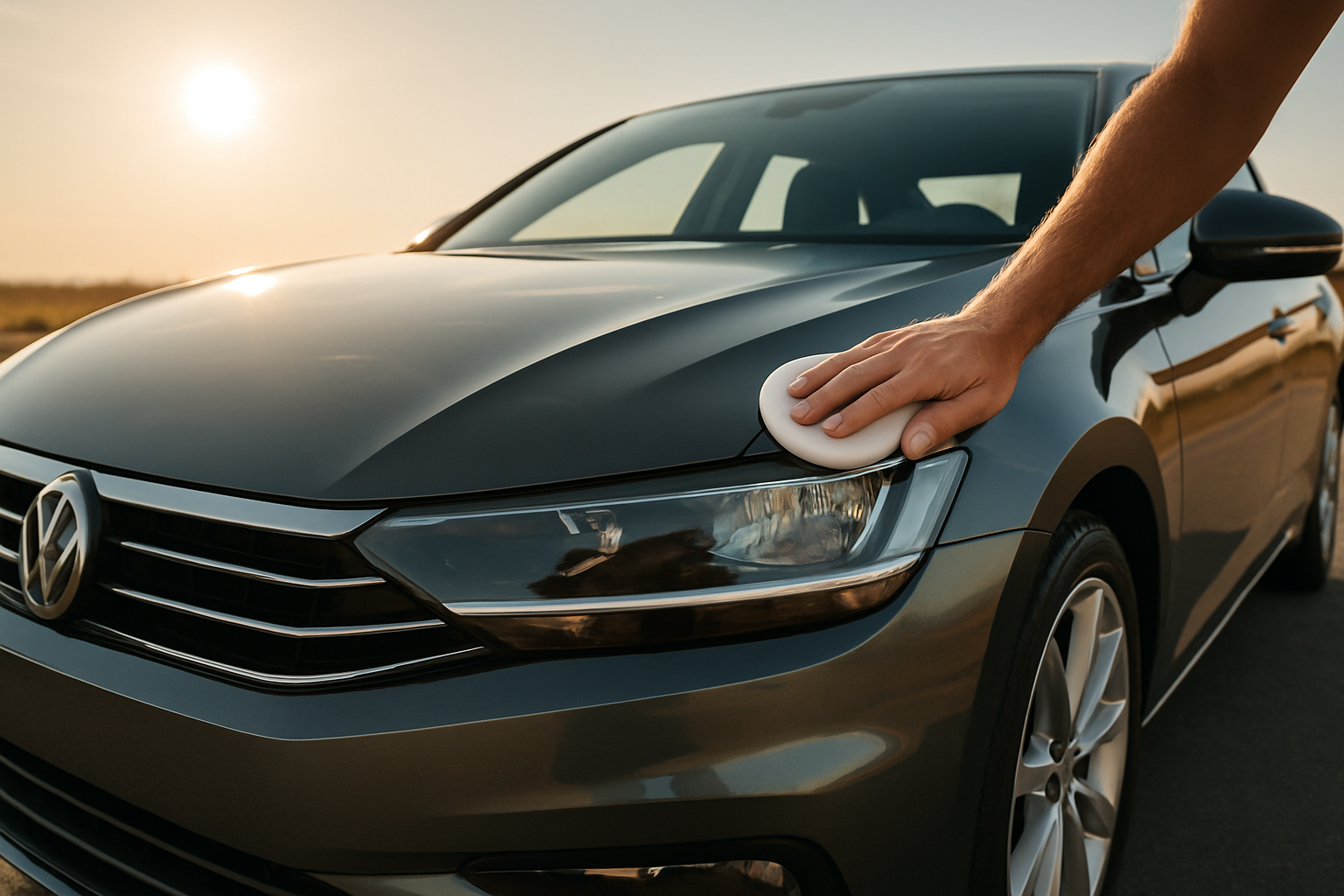
Synthetic wax (also called paint sealant) uses polymer technology to bond to the paint surface. It lasts 3 to 6 months, provides better protection against UV and chemicals, and is easier to apply. The finish is slightly more “glassy” than carnauba’s warm depth.
For most drivers, synthetic wax is the practical choice. It protects longer and requires less frequent application. Enthusiasts who enjoy the waxing ritual often prefer carnauba for the superior visual depth it provides.

Synthetic Car Wax
Longer-lasting protection with easier application for regular maintenance
Paste vs. Liquid vs. Spray Wax
Paste wax offers the thickest application and longest-lasting results. It takes more effort to apply and buff but rewards you with the deepest protection. Car paste wax is ideal for seasonal applications where you want maximum durability.
Liquid wax is easier to apply evenly and works well for larger vehicles where paste can be fatiguing. Results are comparable to paste when applied correctly.
Spray wax is the fastest option, perfect for maintenance coats between full wax sessions. It doesn’t last as long (2 to 4 weeks), but you can apply it in 15 minutes as a quick detail after a wash.
How to Apply Wax Correctly
Wash and Dry First
Always start with a clean, dry car. Any dirt or debris on the surface will get trapped under the wax and can scratch the paint during application. Use a dedicated car wash soap, not dish soap, which strips existing wax and dries out trim.
Work in Small Sections
Apply a thin, even layer to one panel at a time (one fender, half a hood, one door). Use a foam applicator pad with overlapping circular motions. Thin coats protect just as well as thick ones and buff off much easier.
Let It Haze
Wait until the wax hazes to a dull, chalky appearance before buffing. This usually takes 5 to 10 minutes depending on temperature and humidity. Buffing too early removes the wax before it bonds. Waiting too long makes it difficult to remove.
Buff with a Clean Microfiber
Use a clean, soft microfiber towel to buff the haze off with light pressure. Flip or swap towels as they load up with wax residue. Two to three towels for a full car is typical.

Microfiber Towels for Cars
Essential for scratch-free buffing and removing wax residue
How Often to Wax
Wax every 3 months if you park outside, or every 4 to 6 months if you garage your car. The water bead test is the easiest way to tell: spray your car with a hose. If water sheets off instead of beading, it’s time for a fresh coat.
Cars with modern ceramic-coated paint or factory clear coat benefit from wax just as much as older single-stage paint. The wax protects the clear coat, which protects the color layer underneath.
Whether you’re maintaining a high-mileage daily driver or keeping a first car looking its best, regular waxing extends the life of your paint and keeps your vehicle looking newer longer.
Frequently Asked Questions
Can I wax a new car?
Yes. Modern paint is fully cured when it leaves the factory. Waxing a new car from day one provides immediate UV and environmental protection. There’s no need to wait.
Should I wax my car before winter?
Absolutely. A coat of synthetic wax before winter protects against road salt, which is one of the most corrosive substances your paint encounters. Apply a durable synthetic or sealant in late fall for maximum winter protection.
Can wax fix scratches?
Wax can fill and temporarily hide very light swirl marks and surface-level scratches. It won’t fix scratches that go through the clear coat. For deeper scratches, a rubbing compound or polish is needed before waxing.
What’s the difference between waxing and storing a car?
Waxing provides ongoing protection for cars in regular use. When storing a vehicle long-term, apply a coat of wax before storage to protect the paint during the inactive period, but proper storage involves additional steps like fuel stabilizers and battery maintenance.
This article contains affiliate links. We may earn a small commission at no extra cost to you.
Leave a Reply