

You lift your foot off the accelerator expecting that familiar smooth deceleration from regenerative braking, but instead you get a jerky lurch or barely any slowing at all. It’s one of those issues that makes you wonder if something’s actually broken or if your hybrid or EV is just having a bad day.
Regenerative braking inconsistency is more common than you might think, and it’s not always a sign of a major problem. Sometimes it’s the car protecting itself, sometimes it’s a software quirk, and sometimes it really does point to component wear that needs attention. Let’s break down what’s actually happening and how to figure out which category your situation falls into.
Battery Temperature Is the Number One Culprit
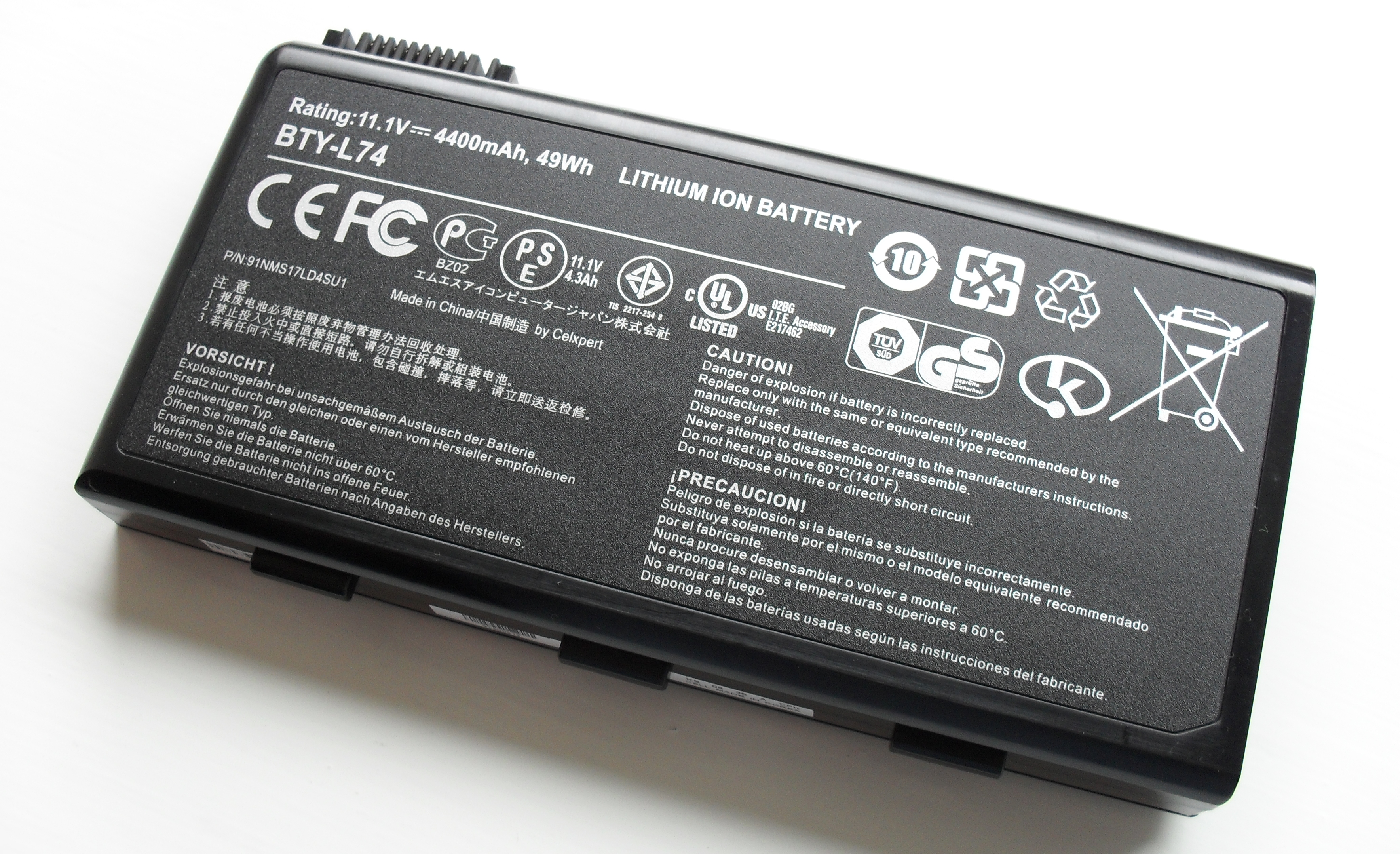
Your battery pack has a very specific temperature range where it operates efficiently. When it’s too cold or too hot, the battery management system deliberately limits regenerative braking to protect the cells from damage.
Cold weather is the most common scenario. If you start your EV on a 20-degree morning and expect full regen immediately, you’ll be disappointed. Lithium-ion batteries don’t accept charge well when they’re cold, so the system reduces or completely disables regenerative braking until the pack warms up. This can take 10-20 minutes of driving in extreme cold.
The same thing happens in reverse during hot weather. If your battery gets too warm from fast charging or spirited driving, the system will limit regen to prevent overheating. You’ll notice this especially after multiple highway on-ramps or coming off a DC fast charging session.
There’s not much you can do about temperature-related limits except be patient. If your vehicle has battery preconditioning (common on Teslas and newer EVs), use it before departure in extreme weather. This warms or cools the battery to optimal temperature while you’re still plugged in.
Software Limits Based on Battery State
A fully charged battery can’t accept much regenerative current because there’s nowhere for that energy to go. This is why regen feels weak or nonexistent when you’re at 100% charge, particularly on older EVs without sophisticated buffer management.
Most modern EVs handle this better by maintaining a small hidden buffer at the top of the charge range, but you’ll still notice reduced regen when you’re above 90% battery. The Nissan Leaf is particularly notorious for limited regen at high states of charge because it lacks active thermal management.
Battery health also plays a role here. As your battery degrades over time, it loses capacity but also becomes less capable of accepting high charge rates. An older pack might show weak regen even at 70-80% charge because the cells can’t handle the current safely. If you’re experiencing this on a vehicle with significant mileage, it might be worth understanding what battery replacement actually costs before it becomes a bigger issue.
Some manufacturers also program seasonal or performance-based regen adjustments. Tesla, for example, has been known to modify regen behavior through over-the-air updates, sometimes making it stronger or weaker based on fleet-wide data analysis.
Brake System Interaction and Blending Issues
Most hybrids and EVs use a blended braking system where regenerative braking and friction brakes work together. When the transition between these two systems isn’t smooth, you get that jerky feeling that makes passengers think you’re learning to drive.
Brake pad wear can actually affect regen feel, which surprises a lot of EV owners. As your pads wear down, the brake caliper pistons extend further out. This changes the point at which friction braking engages, potentially creating an awkward transition when regen hands off to mechanical braking.
The brake fluid condition matters too. Old or contaminated brake fluid can cause inconsistent hydraulic pressure, making the blend point between regen and friction unpredictable. EVs and hybrids use their friction brakes less than conventional cars, which means brake fluid can sit longer and absorb more moisture over time.
Ford hybrids, particularly older Fusion and C-Max models, are known for developing jerky brake feel as the system ages. The fix often involves brake fluid replacement and sometimes recalibration of the brake control module. Similar issues pop up on early Toyota Prius models, though newer generations handle the blending much better. If you own a Prius and notice other electrical quirks alongside weak regen, you might also want to check for 12V battery drainage issues that can affect various vehicle systems.
Motor and Inverter Problems
Less common but more serious are actual hardware failures in the regenerative braking system itself. The electric motor acts as a generator during regen, and the inverter controls this process. Problems with either component can manifest as weak or inconsistent regenerative braking.
Inverter cooling issues can cause the system to limit regen to prevent overheating. If you notice weak regen accompanied by warning lights or messages about the drive system, this is a different situation than temperature-based limitations. Don’t ignore it.
Motor bearing wear or rotor issues can also reduce regen effectiveness, though these typically come with other symptoms like unusual noises or vibrations during acceleration. Tesla Model 3 owners have reported specific regen-related issues that sometimes require inverter or motor replacement under warranty.

OBD2 Scanner for Hybrid and EV Diagnostics
Essential for reading hybrid and EV-specific fault codes that can identify regen system issues before they become major problems
Test Drive Checklist to Diagnose Your Issue
Here’s how to systematically figure out what’s causing your regen problems. Do these tests in order and note your observations.
Temperature correlation test: Check your battery temperature on a cold morning versus after 20 minutes of driving. Most EVs show battery temp in the settings menu or through the charging screen. If regen improves significantly as temperature rises, you’ve found your answer.
State of charge test: Note regen strength at 95%, 80%, 60%, and 40% charge. If it’s only weak at the top end, that’s normal behavior. If it’s weak across the entire range, you’ve got a different problem.
Consistency test: Drive the same route at the same temperature and charge level on multiple days. Is the weak regen consistent or intermittent? Intermittent issues often point to electrical connections or sensor problems.
Brake pedal feel test: Pay attention to exactly when and how the jerky feeling occurs. Is it during light regen at high speed, or heavy regen at low speed? Does it happen at a specific point in the pedal travel? This helps identify blending issues versus pure regen problems.
An OBD2 scanner that works with hybrids and EVs can pull diagnostic codes that might not trigger a warning light but still indicate system degradation. These tools have become much more capable in recent years and many now include live data streams for battery temperature, state of charge, and regen power levels.
When to Actually Worry
Most regen inconsistencies are normal operating behavior, but here are the red flags that indicate you need professional diagnosis:
- Warning lights or messages specifically mentioning the brake system, battery system, or drive system
- Regen that’s weak or absent even at moderate temperatures and mid-range charge levels
- Sudden changes in behavior that don’t correspond to weather or driving patterns
- Grinding, clicking, or unusual noises during deceleration
- Inconsistent regen that varies wildly from one moment to the next under identical conditions
If you’re seeing these symptoms, don’t wait. Regenerative braking is integrated with your safety systems, and problems here can affect overall braking performance.
For intermittent issues without warning lights, start with the simple stuff. Check your 12V battery health (yes, even on EVs), inspect brake fluid condition and level, and look for any obvious damaged wiring around the wheels or under the vehicle. A weak 12V battery can cause all sorts of weird electrical gremlins that feel like major component failures but aren’t.
Frequently Asked Questions
Can I damage my battery by using maximum regenerative braking all the time?
No, you can’t damage your battery this way. The battery management system controls how much current actually flows to the pack regardless of your regen setting. If conditions aren’t right for maximum regen (temperature too low, battery too full, etc.), the system will limit it automatically even if you have the setting cranked up. Use whatever regen level feels comfortable for your driving style.
Why does regen feel different in my EV compared to my friend’s EV?
Manufacturers program regenerative braking behavior differently based on their priorities. Some prioritize a one-pedal driving experience with aggressive regen, while others aim for a feeling closer to conventional engine braking. Battery chemistry, motor design, and vehicle weight all affect how strong regen can be. There’s also individual variation between vehicles of the same model due to battery age, software version, and component tolerances.
Will weak regenerative braking affect my range significantly?
Yes, absolutely. Regenerative braking can recover 15-25% of the energy used during typical driving. If your regen is operating at reduced capacity due to temperature, battery degradation, or a fault, you’ll see noticeably reduced range, particularly in city driving with frequent stops. Highway range is less affected since there’s less opportunity for regen anyway. If you’re consistently getting poor range and experiencing weak regen, addressing the regen issue should be a priority.
This article contains affiliate links. We may earn a small commission at no extra cost to you.

Leave a Reply