

Climbing into a hot car and getting nothing but warm air from the vents is miserable, especially in the middle of summer. Your car’s air conditioning system has several components that must all work together, and a failure in any one of them kills the cold air.
The good news is that some fixes are simple enough to handle in your driveway. Here are the six most common reasons your car AC blows warm air, organized in the order you should check them.
1. Low Refrigerant (Most Common Cause)
Your AC system is sealed, but over time, tiny amounts of refrigerant escape through O-rings, hose connections, and the compressor shaft seal. When refrigerant drops below a certain level, the system can’t produce cold air, and the compressor may not even engage to protect itself from damage.
An AC recharge kit with a gauge lets you check the system pressure and add refrigerant yourself. Connect the gauge to the low-pressure port (usually on the larger AC line near the firewall), start the engine, turn the AC to maximum cold, and read the pressure. Compare it to the spec on the recharge can or in your service manual.

AC Recharge Kit R134a
Essential for diagnosing low refrigerant issues yourself. Look for kits that include a gauge for accurate pressure readings.
Add refrigerant slowly while watching the gauge if the system is low. Overcharging is just as bad as undercharging, so follow the pressure specifications carefully. Keep in mind that a recharge is a temporary fix. If the system lost refrigerant, there’s a leak somewhere that should be found and repaired.
2. AC Compressor Clutch Failure
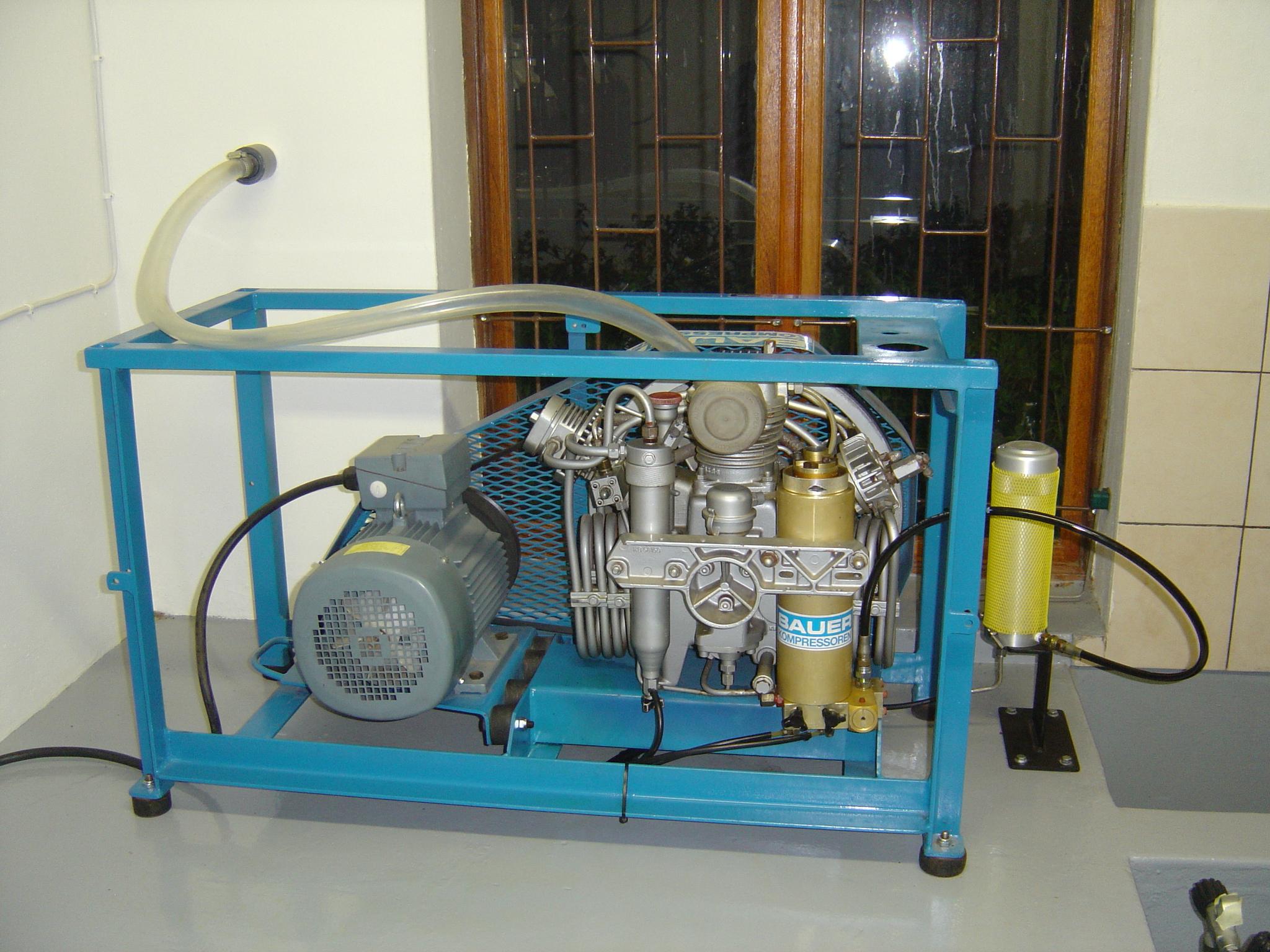
The compressor clutch engages and disengages the compressor from the engine’s serpentine belt. When the clutch fails, the compressor never turns on, and no refrigerant circulates through the system.
Here’s how to check: start the engine, turn the AC to max cold, and look at the front of the compressor. The outer pulley should spin constantly (driven by the belt), and the center hub should engage and spin with it when the AC is on. If the center hub stays still while the outer pulley spins, the clutch isn’t engaging.
A non-engaging clutch could mean a failed clutch coil, a blown fuse, low refrigerant (the pressure switch prevents engagement to protect the compressor), or a wiring issue. Check the AC fuse and relay first, as those are free fixes. A clutch replacement alone runs competitively priced to competitively priced at a shop, but many mechanics recommend replacing the entire compressor at that point.
3. Blend Door Actuator Stuck
The blend door actuator controls a flap inside the HVAC housing that mixes hot air from the heater core with cold air from the evaporator. When this small electric motor fails or its plastic gears strip, the door can get stuck in the “heat” position, sending hot air through the vents regardless of your temperature setting.
A telltale sign of a bad blend door actuator is a clicking or ticking noise behind the dashboard when you change the temperature setting. The AC system itself is working fine; the door just isn’t directing the cold air to the vents.
Replacement actuators are inexpensive (usually under competitively priced for the part), but accessibility varies wildly by vehicle. Some are behind the glove box and take 20 minutes. Others require partial dashboard removal, which is a 3-plus-hour job.
4. Condenser Fan Not Running
The condenser sits in front of the radiator and needs airflow to release heat from the refrigerant. At low speeds or idle, the condenser fan provides that airflow. If the fan motor burns out, the relay fails, or a wiring connection comes loose, the condenser can’t cool the refrigerant, and you get warm air.
Check by turning on the AC and looking at the fan behind the front grille. It should be running. A multimeter can confirm whether the motor is getting power if it’s not spinning. Check the fan fuse and relay first. Fan motor replacement typically competitively priced to competitively priced depending on the vehicle.
If your car is overheating with AC on, a faulty condenser fan is often the culprit. The symptoms are related because the condenser and radiator share airflow from the same fan assembly.
5. Clogged Expansion Valve or Orifice Tube
The expansion valve (or orifice tube, depending on your system) meters refrigerant flow into the evaporator. When debris clogs it, refrigerant flow is restricted, and cooling drops off dramatically. You might notice the AC works intermittently, with brief bursts of cold air followed by warm air.
Diagnosing a clogged expansion valve requires checking pressures on both the high and low sides of the system. Low-side pressure that’s abnormally low with a high-side that’s high suggests a restriction. This repair involves evacuating the system, replacing the component, and recharging, so it’s typically a shop job competitively priced to competitively priced.
6. Electrical Relay or Fuse Issue
Before assuming the worst, always check the simple stuff. A blown AC fuse or a failed compressor relay can shut down the entire system. Your owner’s manual shows the fuse box layout. Pull the AC-related fuses and check for a blown filament. Swap the compressor relay with an identical relay from another circuit (like the horn) to test it.
Fuses and relays cost just a few dollars and take seconds to replace. Always carry a few spares in your glove box.
Diagnostic Flowchart
Follow this sequence to efficiently diagnose your AC problem:
- Turn AC to max cold. Does the compressor clutch engage? If no, check fuses, relays, and refrigerant level.
- If the compressor runs but air is warm, check refrigerant pressure with a gauge. Low pressure means a leak and recharge needed.
- If pressure is normal and compressor runs, feel both AC lines at the firewall. The thin line should be warm/hot, the thick line should be cold. If both are warm, the system isn’t cycling refrigerant properly (expansion valve or compressor issue).
- If the thick line is cold but vent air is warm, the blend door actuator is likely stuck. Listen for clicking behind the dash.
- If the system cools at highway speed but blows warm at idle, the condenser fan isn’t running.

Automotive Multimeter
Essential tool for testing electrical components like fan motors and relays. Choose one with a continuity tester.
Frequently Asked Questions
Can I use a DIY recharge kit on a 1234yf system?
Most vehicles made after 2015 use R-1234yf refrigerant instead of R-134a. DIY recharge kits for 1234yf are available but more expensive. Make sure you know which refrigerant your system uses before buying a kit; it’s labeled on a sticker under the hood near the AC components.
Why does my AC blow cold on one side and warm on the other?
Dual-zone climate systems use separate blend door actuators for each side. A failed actuator on one side will cause this symptom. It’s almost never a refrigerant issue since both sides share the same evaporator.
How often should I recharge my car’s AC?
A properly sealed AC system should never need recharging. If you’re adding refrigerant regularly, you have a leak that needs repair. Annual recharging is a band-aid, not a maintenance item.
Is it safe to work on my car’s AC system myself?
Adding refrigerant with a recharge kit is safe for DIYers. However, evacuating the system, replacing major components, or working with 1234yf refrigerant requires specialized equipment and should be left to professionals. Never vent refrigerant into the atmosphere, it’s illegal and harmful to the environment.
This article contains affiliate links. We may earn a small commission at no extra cost to you.




Leave a Reply