
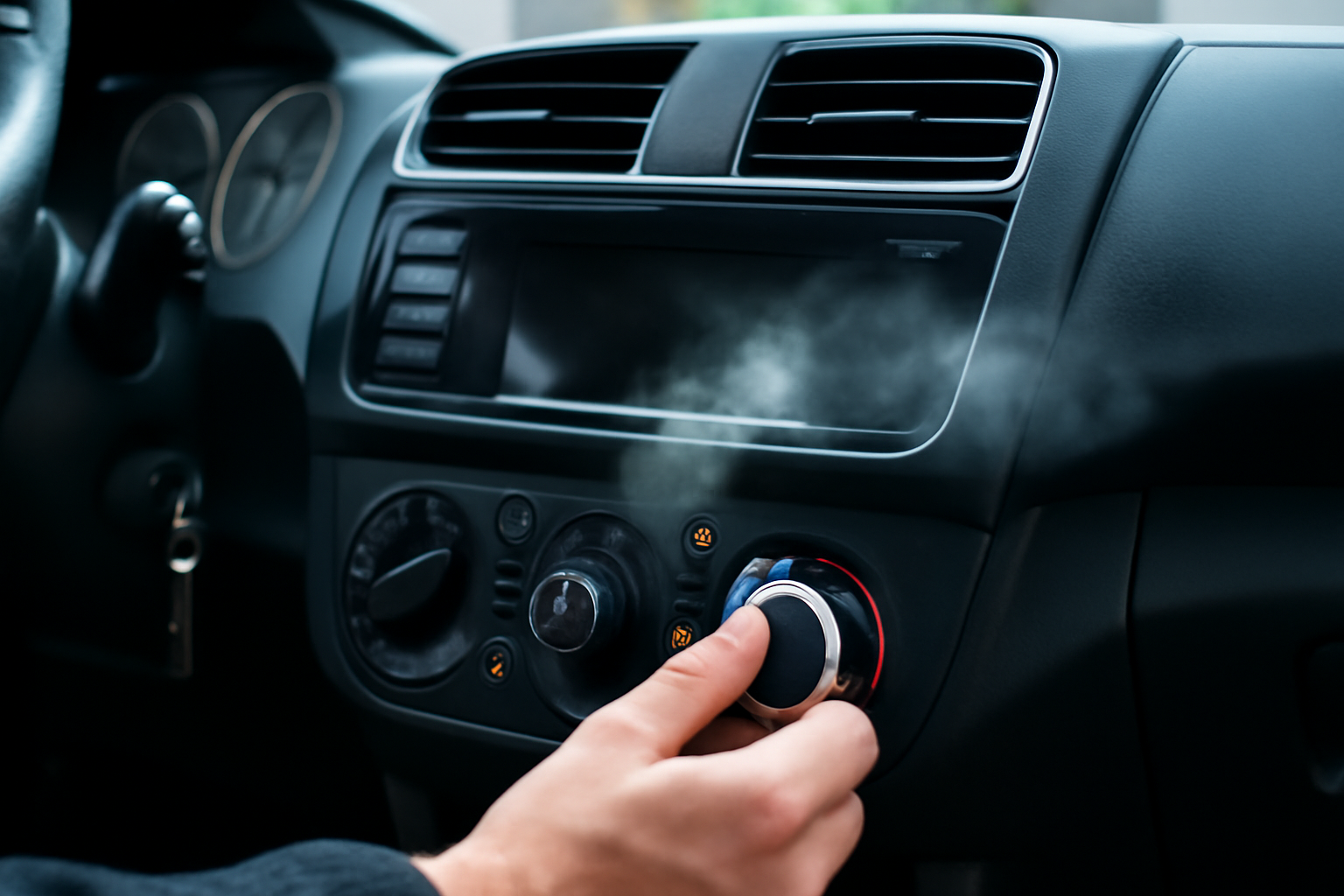
Getting into a cold car on a winter morning and having nothing but cold air blow from the vents is more than uncomfortable. It also means your defroster can’t clear the windshield properly, which is a visibility hazard.
The heating system in your car is simpler than the AC system, and most causes of no heat are affordable fixes. Here are the five most common reasons your heater blows cold and how to diagnose each one.
1. Stuck-Open Thermostat (Most Common, Cheapest Fix)

The thermostat is a valve in the cooling system that stays closed when the engine is cold, allowing it to warm up quickly. Once the engine reaches operating temperature (about 195 to 220°F), the thermostat opens to allow coolant flow through the radiator.
When a thermostat fails, it almost always sticks open. This means coolant circulates through the radiator constantly, and the engine never reaches full operating temperature. The heater core (which provides cabin heat) receives lukewarm coolant instead of hot coolant, and your heater blows barely warm air.
The telltale sign is a temperature gauge that sits below the normal midpoint, even after 15 to 20 minutes of driving. A replacement thermostat takes 30 to 60 minutes to install on most vehicles. This is the best-case scenario for a no-heat complaint.

Car Thermostat Replacement
The most common cause of heater problems and one of the easiest DIY fixes
2. Low Coolant Level
The heater core is positioned high in the HVAC system, above most of the engine’s cooling passages. When coolant level drops, the heater core is one of the first components to run dry. You might have adequate cooling for the engine (the radiator is lower and stays full longer) but not enough coolant circulating through the heater core to produce heat.
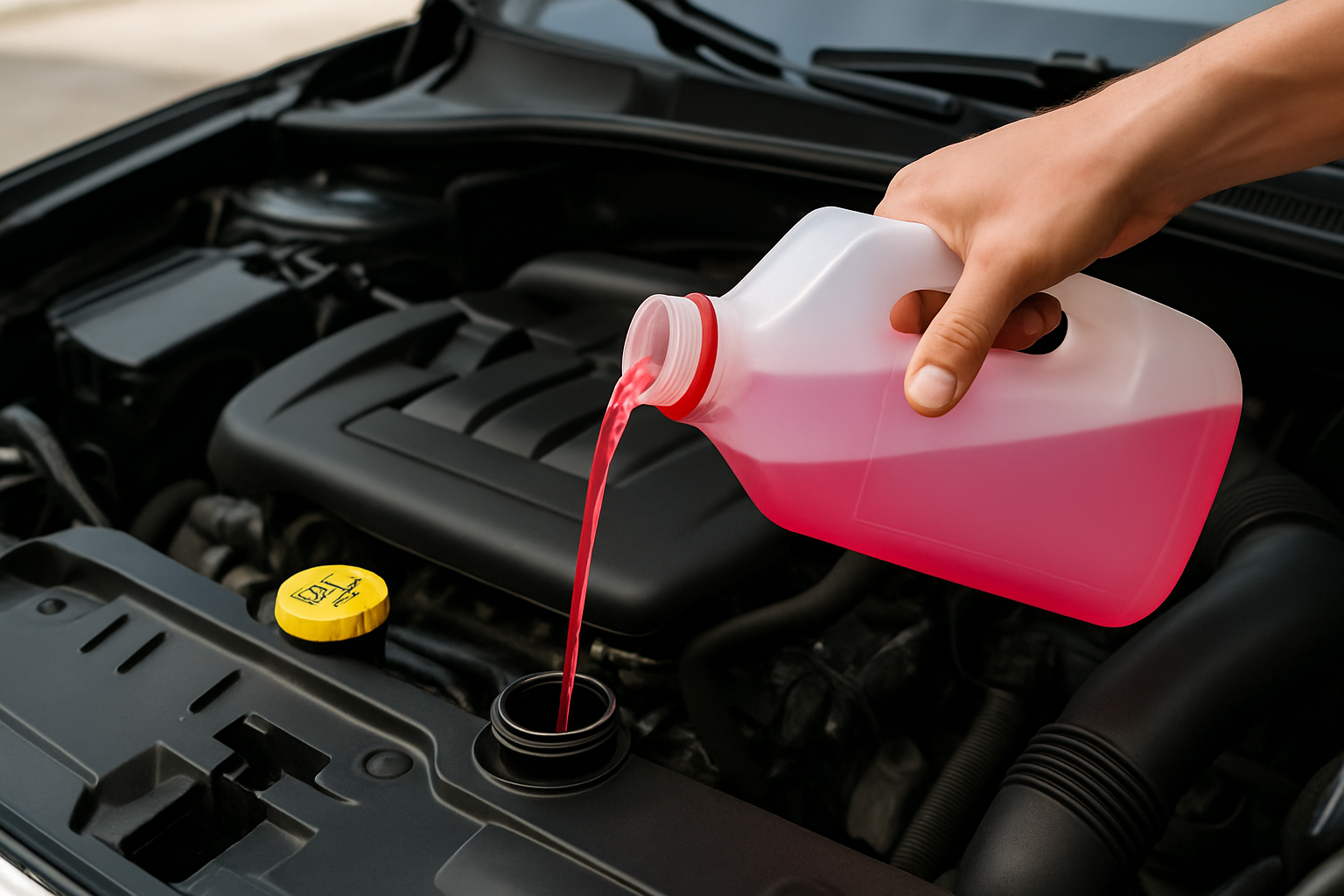
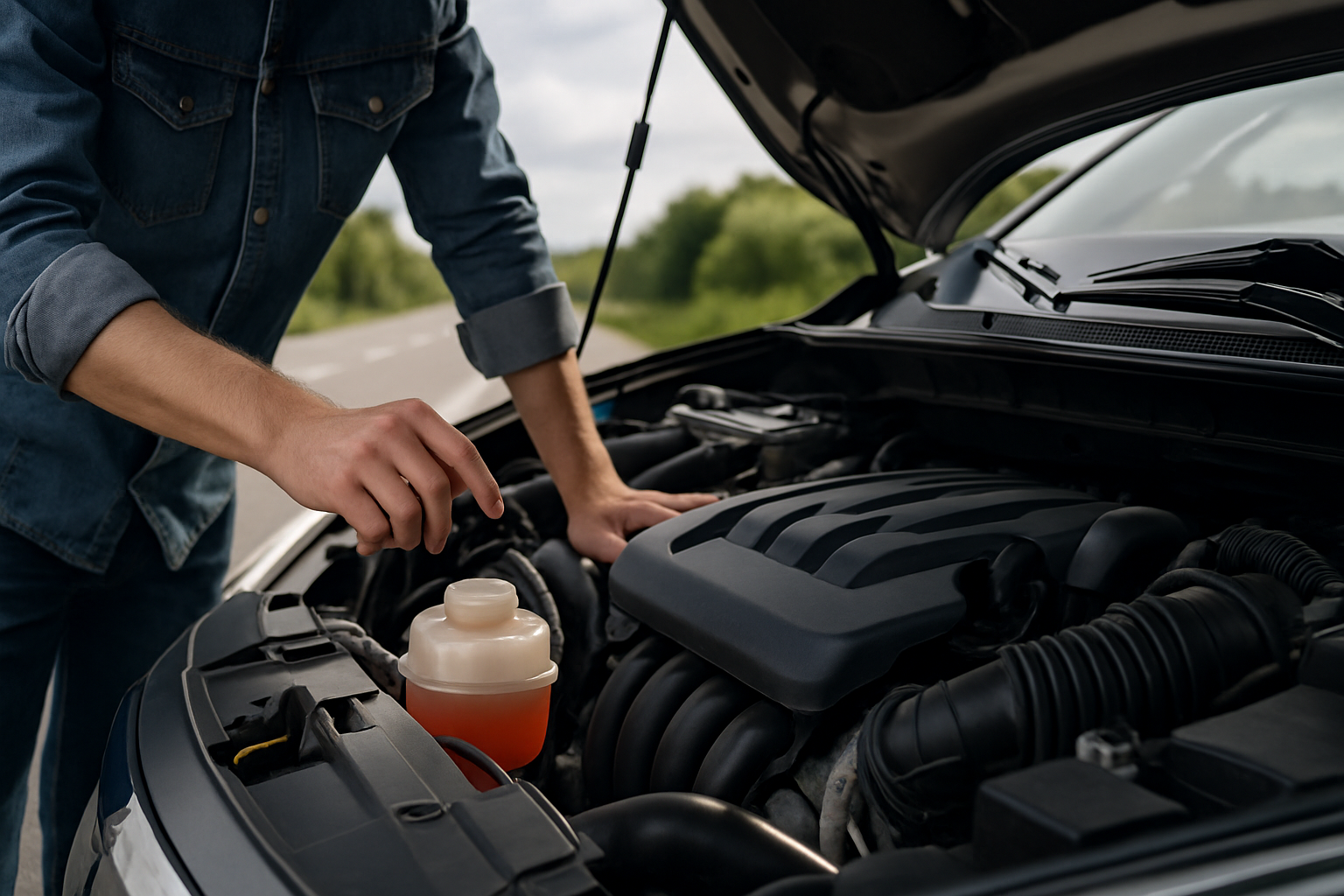
Check the overflow reservoir and radiator (when cold). If coolant is low, top it off and check for leaks. A recurring low coolant level with no visible external leak could indicate a head gasket leak, which allows coolant to seep into the combustion chamber.
White exhaust smoke and a sweet smell from the tailpipe are additional symptoms of a head gasket issue. If you’re dealing with other cooling system problems, you might want to read about why cars overheat with the AC on to understand how these systems interact.
3. Clogged Heater Core
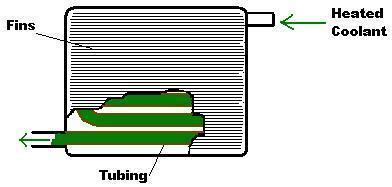
The heater core is a small radiator inside the dashboard that hot coolant flows through. Over time, mineral deposits, rust particles, and old coolant breakdown products can clog the core’s narrow passages, restricting flow and reducing heat output.
The Two-Hose Diagnostic Trick
With the engine at operating temperature and the heater set to max hot, feel both heater hoses where they pass through the firewall. Both hoses should be hot.
If the inlet hose is hot but the outlet hose is cool or lukewarm, the heater core is partially clogged and coolant isn’t flowing through it properly.
Flushing the heater core with a garden hose (disconnect both hoses and run water through in both directions) can clear mild blockages. For severe clogging, a heater core flush solution or replacement may be necessary. Heater core replacement is labor-intensive because the dashboard often needs partial removal, competitively priced to competitively priced at a shop.

Heater Core Flush Kit
Can save you hundreds in labor costs by clearing blockages yourself
4. Blend Door Actuator Failure
The blend door controls the mix of hot and cold air entering the cabin. When the actuator motor fails or the door’s plastic gears strip, the door can stick in the cold position, sending only cold air through the vents even when you set the temperature to max hot.
Common signs include a clicking or tapping noise from behind the dashboard when you adjust the temperature, or the temperature control having no effect on the air temperature. The actuator is a small electric motor, but accessibility varies dramatically by vehicle.
Some are behind the glove box (easy), while others are buried deep in the dash (expensive labor). This is similar to other electrical system issues you might encounter in modern vehicles.
5. Air Pocket in the Cooling System
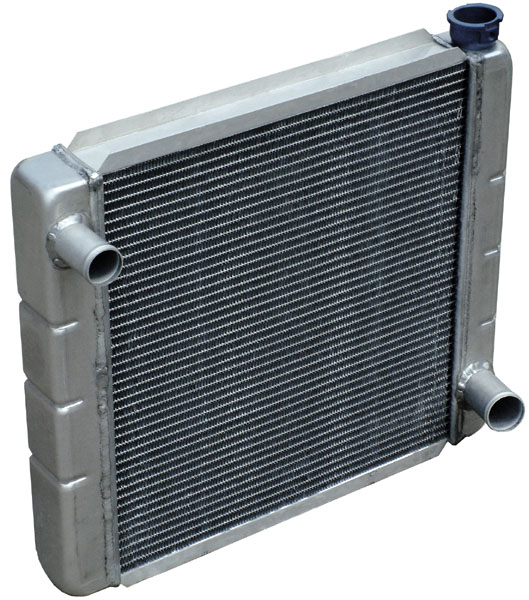
After any cooling system work (radiator replacement, hose change, coolant flush), air can become trapped in the system. An air pocket in the heater core prevents coolant from flowing through it. The heater blows cold even though the engine reaches normal temperature and both hoses may feel warm.
Burping the cooling system forces trapped air out. On many vehicles, there’s a bleed valve or screw on the thermostat housing or a high point in the system. Open it while the engine warms up until coolant flows steadily with no air bubbles, then close it.
On vehicles without a bleed valve, park on a hill with the front end elevated, remove the radiator cap, and run the engine until air bubbles stop surfacing. Just like water pump issues in Volkswagen models, proper cooling system maintenance prevents these problems.

Coolant Pressure Tester
Essential tool for finding leaks and diagnosing air pocket issues in your cooling system
Frequently Asked Questions
Why does my heater only work when driving but blows cold at idle?
This is usually a low coolant level or a weak water pump. At driving RPM, the water pump circulates enough coolant to push some through the heater core. At idle, pump speed drops, and marginal flow drops below what the heater core needs.
Check coolant level first, then investigate the water pump if the level is correct.
Can a bad water pump cause no heat?
Yes. A water pump with a corroded or broken impeller can’t circulate coolant effectively. The engine may not overheat at highway speed (the thermostat helps), but heater output suffers because flow through the heater core is reduced.
Replacing the water pump restores proper circulation and heat.
Why does my car blow hot on one side and cold on the other?
Dual-zone climate systems have separate blend door actuators for the driver and passenger sides. If one side blows cold while the other is hot, the blend door actuator on the cold side has failed.
The heater core itself is shared between both sides, so it’s not a core or coolant issue.

Leave a Reply