
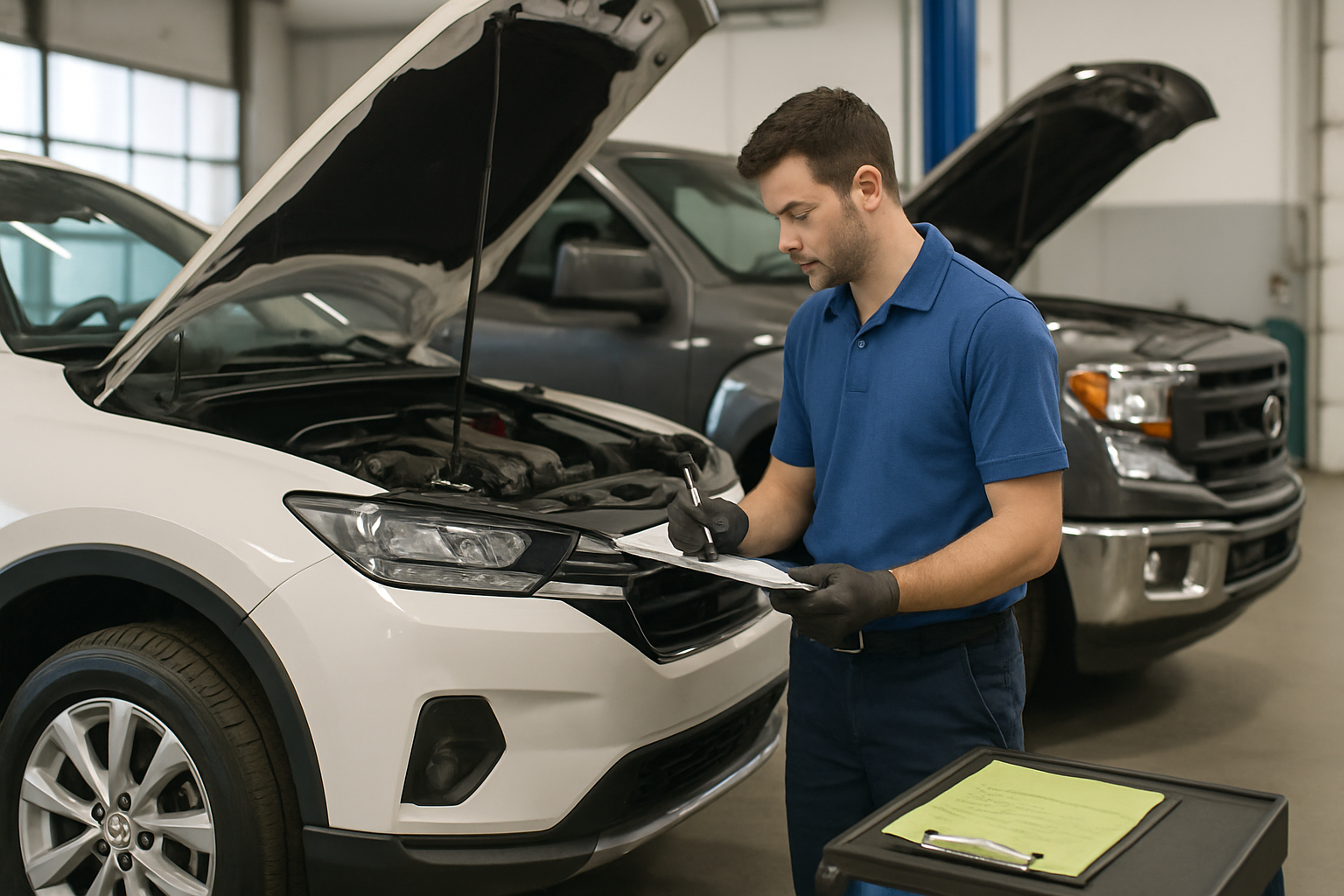
Spring is here, and if you’re driving a 2025 or 2026 model vehicle, your maintenance routine looks a bit different than it did even five years ago. Modern cars and trucks come packed with advanced technology, from over-the-air software updates to sophisticated climate control systems that need attention. You can’t just check the oil and call it a day anymore.
This guide walks you through the essential spring maintenance tasks specifically tailored for today’s high-tech vehicles. We’ll cover everything from traditional fluid checks to the digital systems that keep your car running smoothly.
Fluids: More Than Just Oil Changes
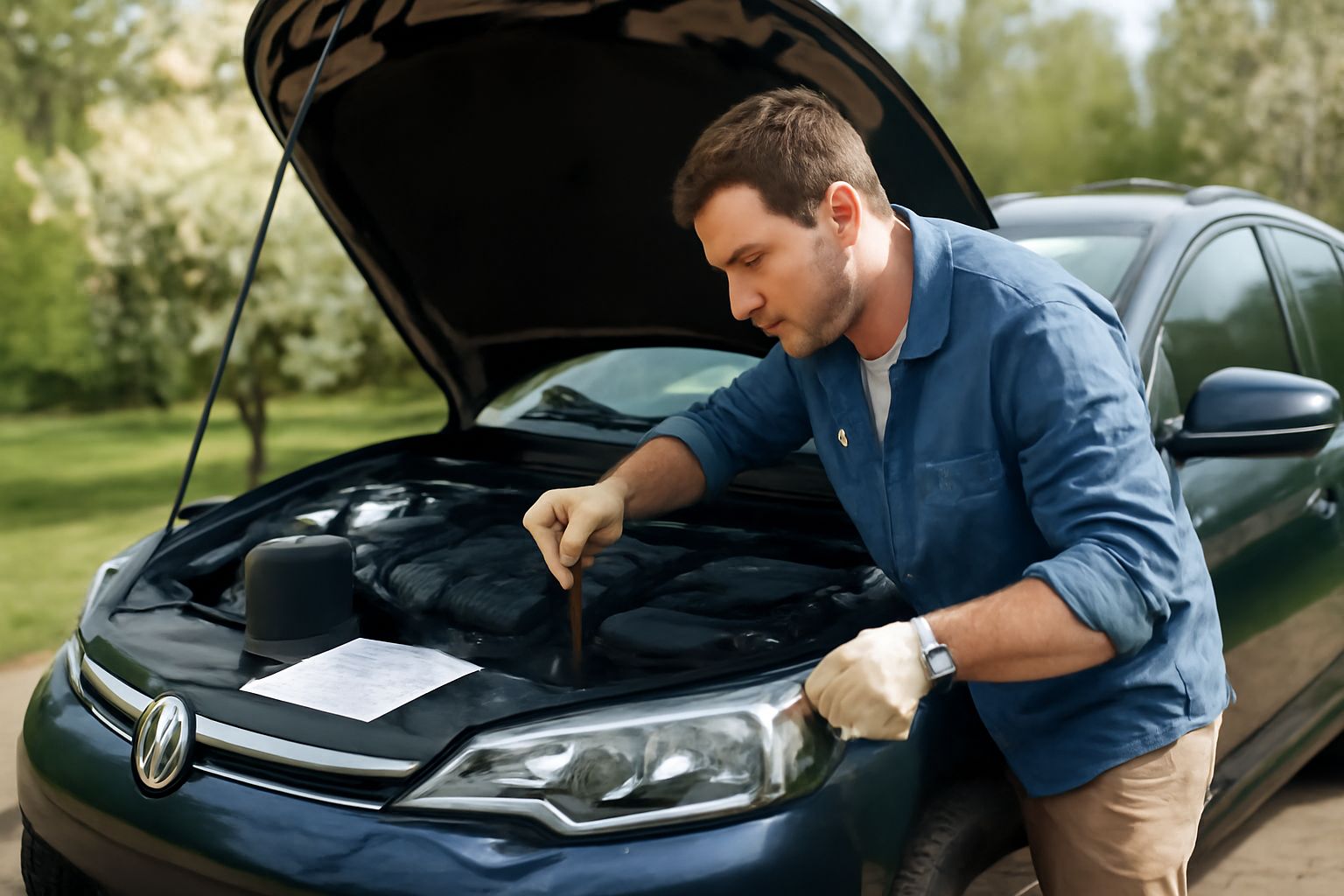
Your 2025-2026 vehicle still needs regular fluid maintenance, but the intervals and types have evolved. Most modern engines use synthetic oil exclusively, and many manufacturers have extended oil change intervals to 7,500 or even 10,000 miles. Check your owner’s manual for the exact specification, because using the wrong oil can trigger warranty issues.
Coolant systems in newer vehicles often use long-life formulas that can go 100,000 miles or more before needing replacement. However, spring is the perfect time to check the coolant level and inspect hoses for any cracks or leaks. If your car has been overheating with the AC on, low coolant might be the culprit.
Brake fluid is often overlooked, but it absorbs moisture over time and should be flushed every two to three years. Most modern vehicles have a brake fluid reservoir you can visually inspect. If the fluid looks dark or murky instead of clear or light amber, it’s time for a change.
Windshield washer fluid might seem minor, but using a quality product makes a real difference. After winter, refill with a bug-removing formula to handle the increased insect activity you’ll encounter in warmer months.

Car Maintenance Log Book
Keeping track of service intervals is easier with a dedicated logbook for your vehicle’s maintenance history
Tire Inspection and Pressure Adjustments
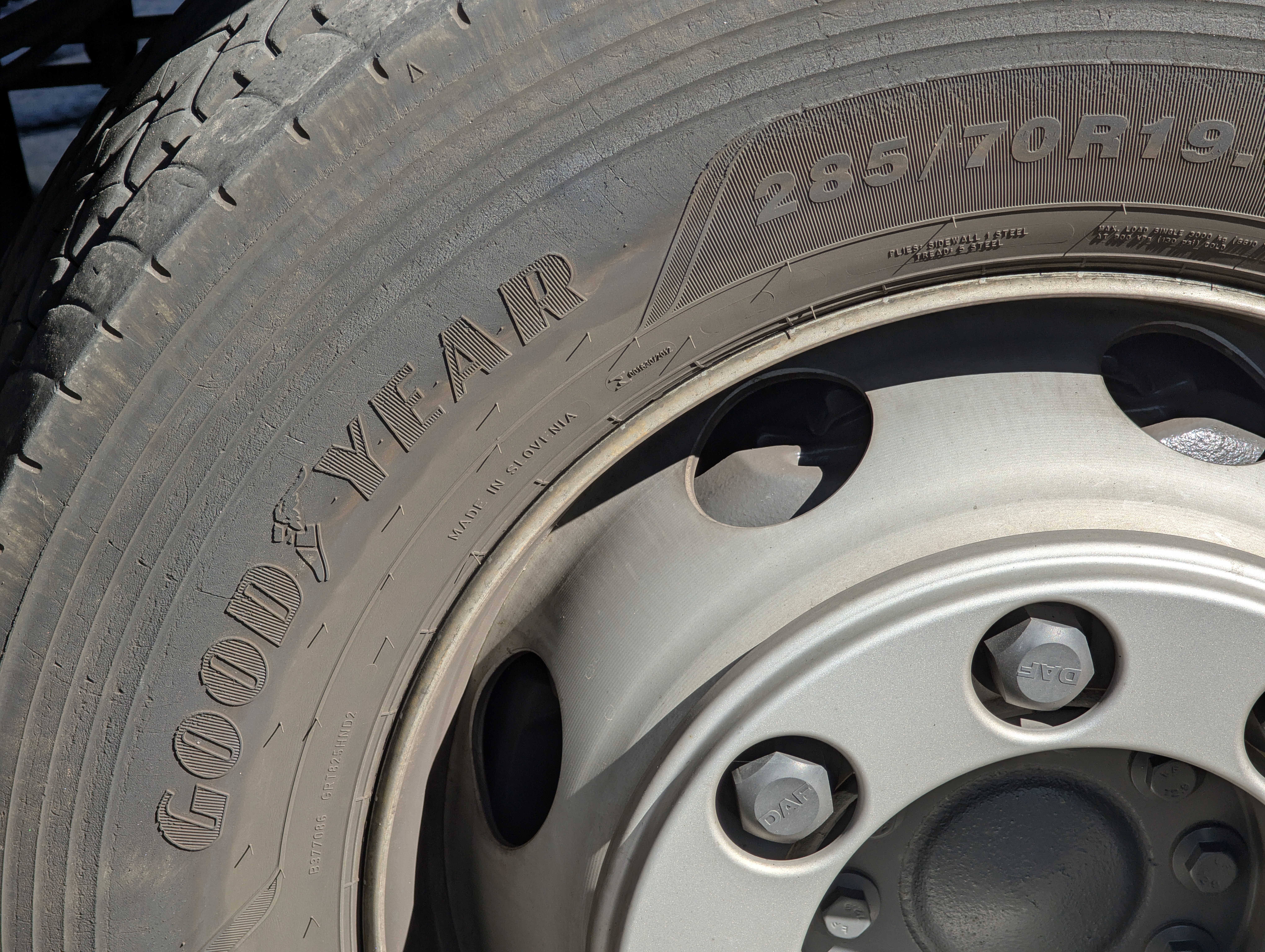
Temperature changes affect tire pressure significantly. For every 10-degree temperature increase, your tires gain about 1 PSI. After a cold winter, your spring tire pressure will naturally rise, so check and adjust to the manufacturer’s recommended PSI listed on the driver’s door jamb.
Walk around your vehicle and inspect each tire for uneven wear, cracks in the sidewall, or objects embedded in the tread. Many 2025-2026 vehicles come with tire pressure monitoring systems that alert you to problems, but these systems typically only trigger when pressure drops 25% below recommended levels. That’s too late for optimal performance and fuel economy.
Rotate your tires if you haven’t done so in the last 5,000 to 7,500 miles. This extends tire life and maintains even handling. If your vehicle has a full-size spare (many newer models don’t), check its pressure too.
Consider switching to summer tires if you run winter tires in colder months. The performance difference is noticeable, especially in handling and braking on warm, dry pavement.
Air Conditioning System Check
Your AC system has been dormant all winter, and spring is when you’ll discover if there are any issues. Turn on the AC to its coldest setting and maximum fan speed. The air should feel noticeably cold within a minute or two.
If the air is merely cool rather than cold, you might have a refrigerant leak or a failing compressor. Modern AC systems are sealed units, so losing refrigerant always indicates a leak that needs professional repair. Don’t just top off the refrigerant without finding and fixing the leak first.
Replace your cabin air filter during your spring maintenance. This filter traps pollen, dust, and other allergens, and a clogged filter reduces airflow and AC efficiency. Most 2025-2026 vehicles make this an easy DIY task. The filter is usually located behind the glove box or under the hood near the windshield.
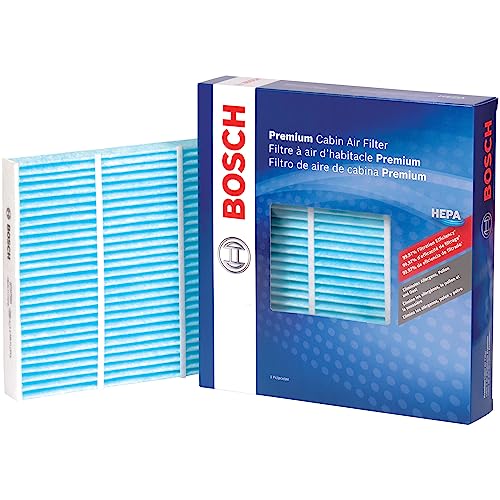
Cabin Air Filter Replacement
Fresh cabin air filters dramatically improve air quality and AC performance during allergy season
Battery and Electrical System Health
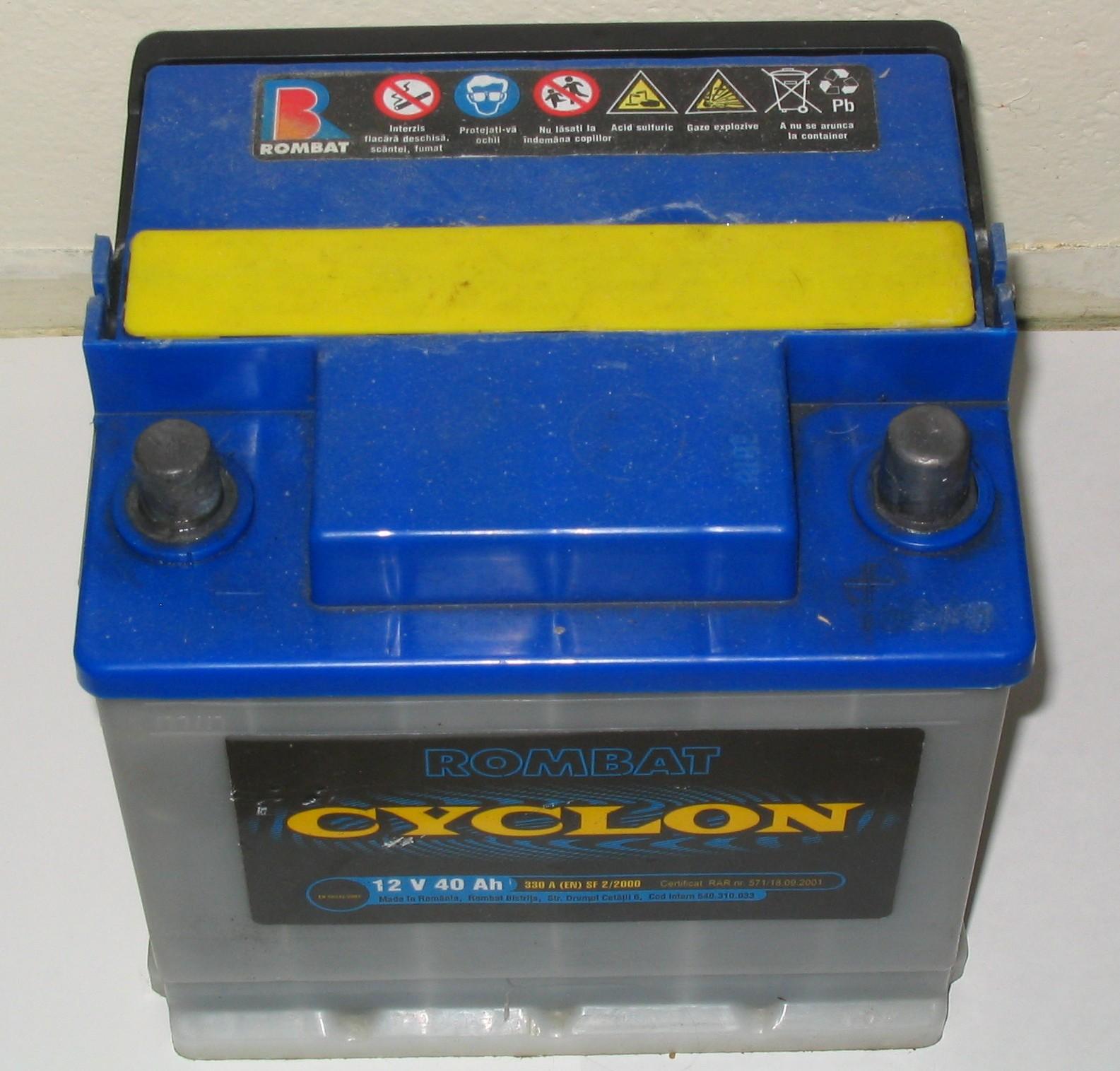
Modern vehicles have complex electrical systems that put constant drain on the battery, even when parked. Many 2025-2026 models have dual battery systems, especially hybrids and electrics. If you drive a Toyota Prius with 12V battery draining issues, spring maintenance is critical.
Test your battery’s voltage with a multimeter. A healthy battery should read 12.6 volts or higher when the engine is off. Anything below 12.4 volts indicates the battery is losing capacity. Most auto parts stores will test your battery for free if you don’t have a multimeter.
Clean any corrosion from battery terminals using a wire brush and a mixture of baking soda and water. Even minor corrosion can cause starting problems and electrical glitches in vehicles with sensitive computer systems.
For electric vehicle owners, spring is a good time to review your charging habits and battery health metrics through your vehicle’s app. If you’re curious about long-term costs, check out our guide on how much it costs to replace an EV battery in 2026.
Software Updates and Digital Systems
This is where 2025-2026 vehicles differ most from older cars. Your vehicle’s infotainment system, driver assistance features, and even engine management software receive regular updates from the manufacturer.
Check if your vehicle has any pending over-the-air updates. Most manufacturers push these automatically when connected to WiFi, but some require manual approval. Updates can fix bugs, improve performance, and even add new features to your existing vehicle.
Update your navigation maps if your system uses local storage rather than cloud-based navigation. Outdated maps can cause route planning issues and miss new roads or businesses.
Review your driver assistance system settings. Spring weather often triggers false alerts in systems calibrated for winter conditions. Adjust sensitivity for lane departure warnings, automatic emergency braking, and blind spot monitoring if you’ve noticed excessive false alerts.
Many vehicles with auto start-stop systems allow you to adjust or disable this feature. If you prefer to turn it off permanently, we have detailed guides for popular models like the Ford Explorer, Toyota RAV4, and Honda CR-V.
Exterior and Undercarriage Inspection
Winter road salt and grime take a toll on your vehicle’s finish and undercarriage. Give your car a thorough wash, including the wheel wells and undercarriage if possible. Many car washes offer undercarriage spray as an add-on.
Inspect your paint for chips or scratches that have penetrated to bare metal. These spots will rust quickly if left untreated. Touch-up paint is inexpensive and prevents small damage from becoming expensive bodywork.
Check all exterior lights, including headlights, taillights, brake lights, and turn signals. Modern LED systems are generally reliable, but they can fail. If you own a BMW 3 Series with adaptive headlight issues, spring is a good time to address them before summer road trips.
Apply a coat of wax or paint sealant to protect your finish through spring and summer. Modern ceramic-based sealants last longer and provide better protection than traditional carnauba wax.

Car Detailing Kit
A quality detailing kit helps you maintain that showroom finish and protect your paint investment
Common Questions About Spring Car Maintenance
How often should I perform spring maintenance on my 2025-2026 vehicle?
Spring maintenance should be annual, ideally in March or April before temperatures consistently rise. However, follow your manufacturer’s recommended service intervals for specific items like oil changes and tire rotations. Modern vehicles have extended service intervals, but seasonal checks catch issues before they become expensive repairs.
Are software updates really necessary for vehicle maintenance?
Yes, software updates are critical for modern vehicles. They fix security vulnerabilities, improve performance, and sometimes resolve mechanical issues through calibration changes. Skipping updates can leave your vehicle vulnerable to hacking and may cause compatibility issues with future updates. Always install manufacturer-approved updates when available.
Can I skip professional maintenance if my car has no warning lights?
Warning lights indicate problems that have already occurred, not problems about to happen. Many critical maintenance items like brake pad wear, tire condition, and fluid degradation won’t trigger warning lights until damage occurs. Regular inspections catch these issues early. Plus, maintaining proper service records is essential for warranty coverage and resale value.
Leave a Reply